
The best thing for a dog to eat is a nutritionally balanced, commercially prepared dog food that meets the standards set by the Association of American Feed Control Officials. These diets provide the correct ratios of protein, fats, vitamins, and minerals required for your dog’s specific life stage and size.
Choosing the right food
The most important factor is confirming that the product packaging carries an AAFCO statement of nutritional adequacy. This label ensures the food is formulated for growth, maintenance, or all life stages. The most common mistake people make is choosing food based on marketing trends rather than the manufacturer’s testing protocols. A diet that isn’t properly balanced can lead to long-term health issues like bone deformities or heart problems, so always verify the label before purchase.
Feeding Your Dog Properly
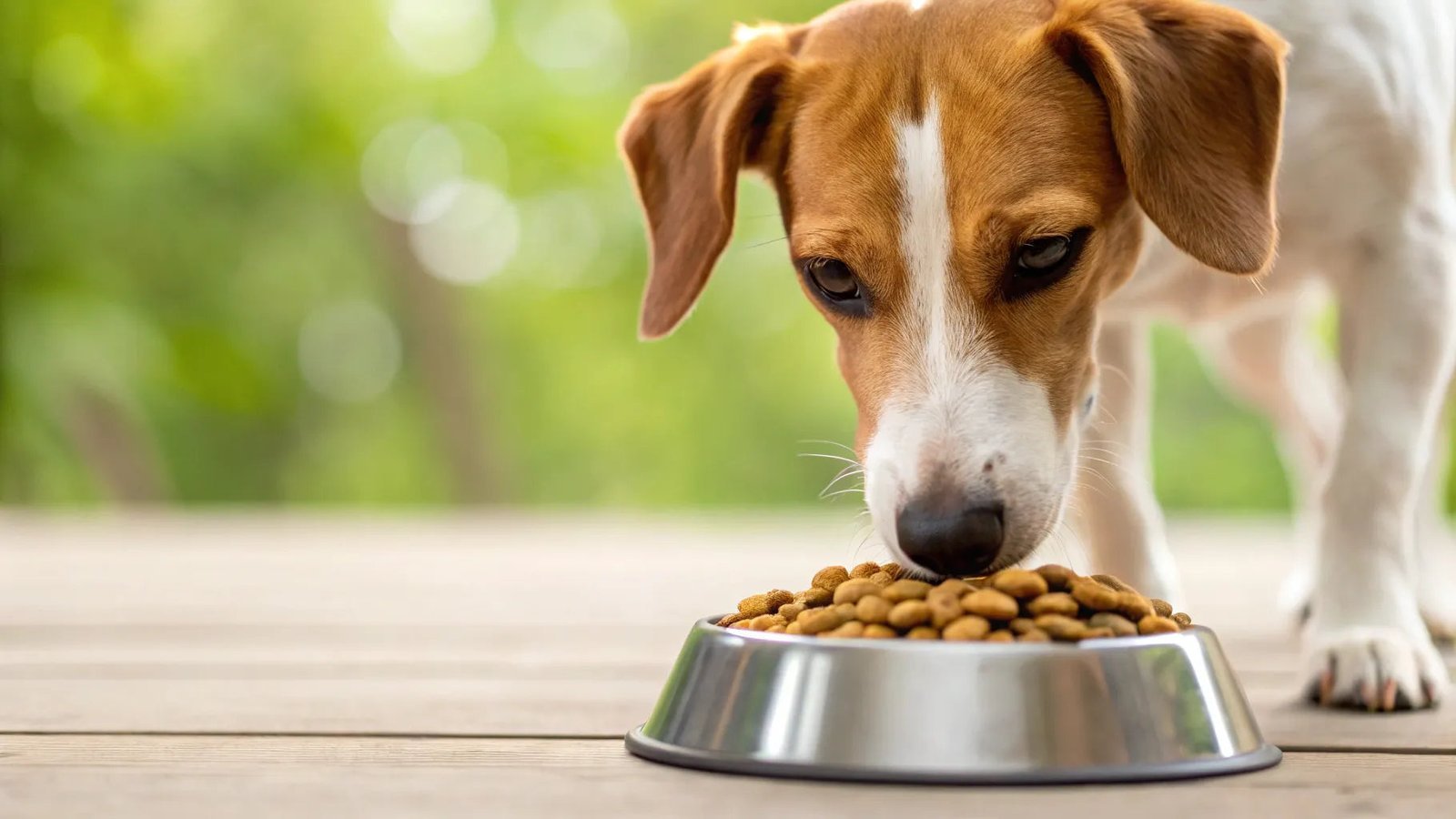
- Consult your veterinarian to determine the ideal daily calorie intake for your dog’s weight and activity level.
- Divide the total daily portion into two or more meals to aid digestion and help maintain steady energy.
- Measure the food precisely using a standard kitchen scale or measuring cup, as overfeeding is a leading cause of canine obesity.
- Provide constant access to fresh, clean water in a non-porous bowl that’s washed daily with hot, soapy water.
- Introduce any new food gradually over seven days by mixing increasing amounts of the new food with the old. Tip: If your dog shows signs of digestive upset like vomiting or diarrhea, slow down the transition period by an extra three days.
- Store dry kibble in its original bag inside a sealed, food-safe container to keep it fresh and prevent contamination. Tip: Never store food in the garage or a damp shed, as moisture encourages mold growth and rancidity.
Meal Timing and Variations
Feeding schedules change based on the dog’s age and health requirements, requiring adjustments to both frequency and portion size.
| Dog Age | Meals per Day | Portion Size | Watch for |
|---|---|---|---|
| Puppy (2-6 months) | 3-4 | Small, frequent | Rapid weight gain |
| Adult (1-7 years) | 2 | Twice daily | Body condition score |
| Senior (7+ years) | 2 | Lower calorie | Reduced activity level |
If your dog leaves food in the bowl for more than 20 minutes, remove it to prevent overeating or attraction of pests.
Assessing Nutritional Health
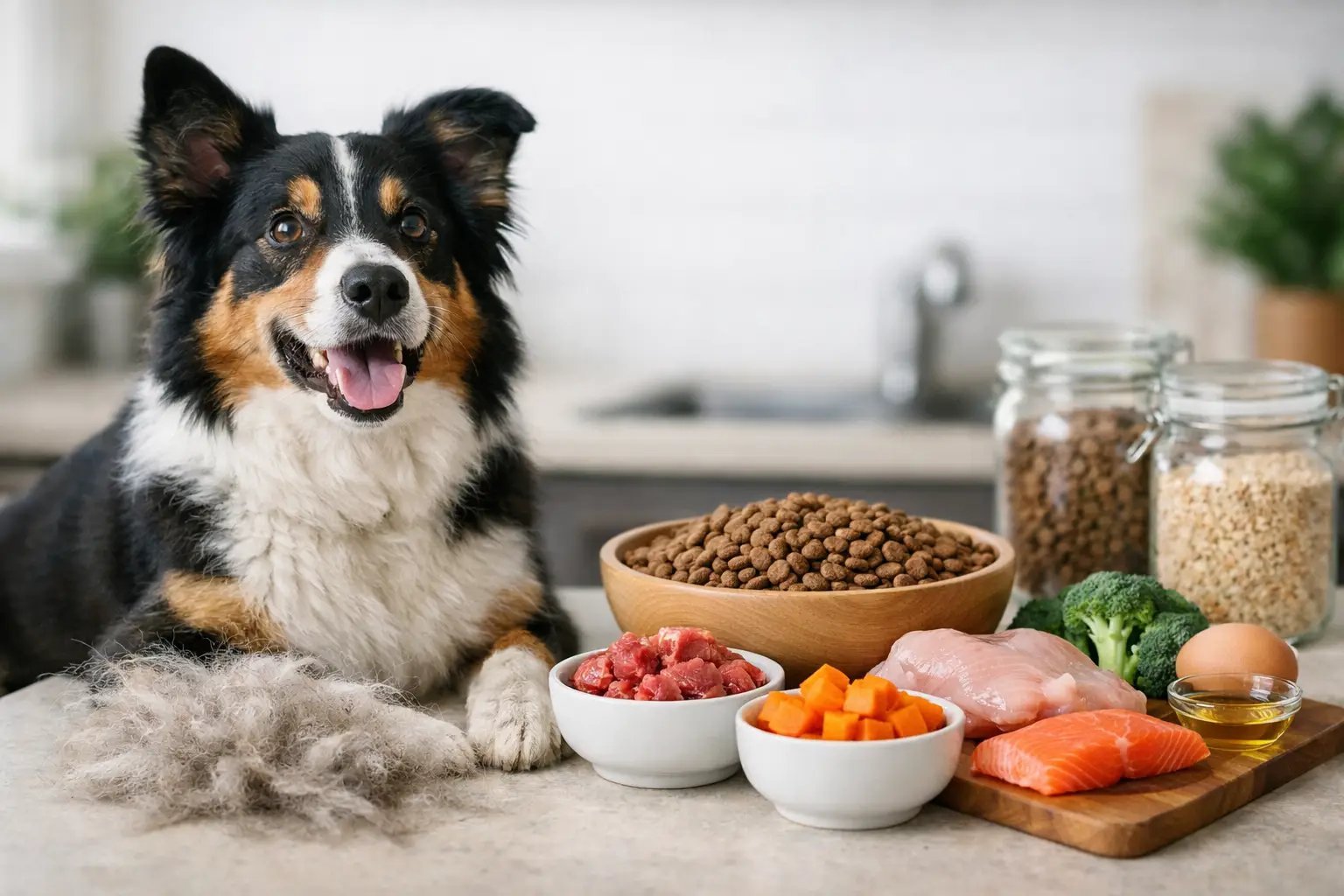
You can tell if a diet is working by observing your dog’s energy, coat quality, and stool consistency. A healthy dog should have a shiny coat, clear eyes, and firm, regular stools. If your dog experiences sudden weight loss, lethargy, or skin irritation, this isn’t a do-it-yourself issue; consult a veterinarian immediately to rule out allergies or underlying health conditions.
Habits That Disrupt Diet
- Feeding Table Scraps: Human foods are often too high in fat or salt, which can cause pancreatitis or sodium toxicity. Stick to dog-specific treats and use them sparingly to avoid disrupting the balance of their main diet.
- Ignoring Portion Guidelines: Following the general guidelines on the bag without adjusting for your dog’s actual activity level often leads to obesity. If your dog is gaining weight, reduce the daily portion by 10% and monitor their body shape over the next two weeks.
- Skipping Fresh Water: Dehydration slows metabolism and impacts kidney function. Ensure the water source is always accessible and kept away from direct heat or sun.
- Mixing Too Many Supplements: Adding vitamins or oils without veterinary advice creates nutrient imbalances. If you want to add healthy extras, stick to small amounts of plain, cooked vegetables like carrots or green beans.
Is it safe to feed my dog raw meat?
Feeding raw meat carries a significant risk of bacterial contamination like Salmonella and Listeria, which can affect both the dog and the household. Most veterinarians recommend cooked, balanced commercial diets to ensure safety and complete nutrition for your pet.
How do I know if my dog is overweight?
You should be able to feel your dog’s ribs easily without pressing hard, and they should have a visible waist when viewed from above. If you can’t feel the ribs or the belly hangs low, your dog is likely overweight and needs a lower-calorie diet.
Can I feed my dog human food?
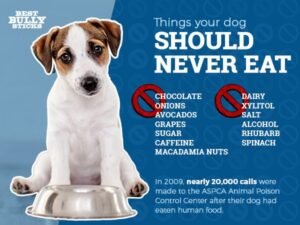
Some human foods like grapes, onions, and chocolate are toxic to dogs and must be avoided at all costs. While plain cooked chicken or rice is sometimes used for upset stomachs, it should never replace a balanced, complete dog food as a long-term diet.
How long does a bag of dry food stay fresh?
Using a vacuum-sealed container or keeping the food in its original bag inside a bin helps maintain the quality of the fats and vitamins.
Should I change my dog’s food brand often?
No, dogs don’t require variety in their diet and often do better on a consistent, high-quality food. Frequently switching brands can cause stomach upset and makes it harder to identify the cause if your dog develops an allergy or a sensitivity.
How much water should a dog drink daily?
This amount varies depending on the temperature, the dog’s activity level, and whether they’re eating dry kibble or wet, canned food.
Feeding your dog is a daily commitment to their long-term health. By choosing a high-quality, balanced food and keeping a close eye on their physical condition, you provide the best foundation for a long and active life. Always make changes slowly and check with your vet if you notice any lasting changes in their behavior or health.