
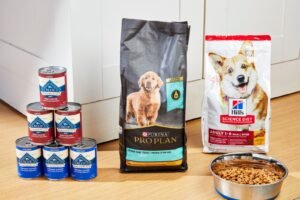
The best quality food for dogs provides complete and balanced nutrition that meets the standards set by the Association of American Feed Control Officials. You should prioritize diets that list a high-quality animal protein as the first ingredient and contain no generic meat by-products or artificial preservatives.
Choosing the right food requires checking the label for a nutritional adequacy statement. This confirms the product has passed feeding trials or meets a nutrient profile for your dog’s specific life stage. The most common mistake is assuming that expensive “grain-free” marketing implies higher quality; in reality, many dogs thrive on formulas containing wholesome grains like brown rice or oats.
Choosing high quality food for dogs
- Verify the AAFCO statement on the packaging to ensure it’s labeled for “growth,” “adult maintenance,” or “all life stages.”
- Choose a brand that participates in AAFCO feeding trials to prove the food provides adequate nutrition over time.
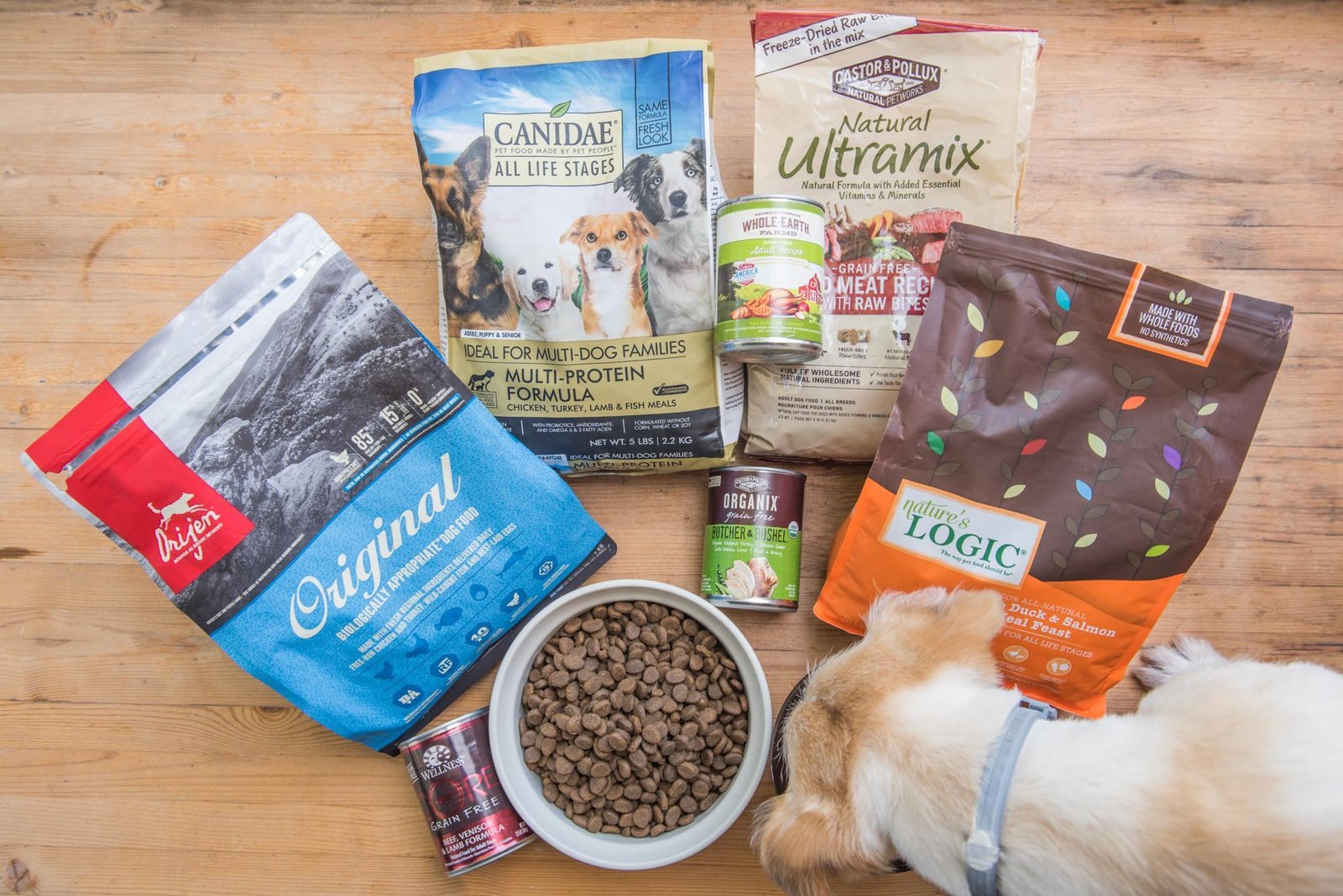
- Check the ingredient list for specific protein sources like “chicken” or “beef” rather than vague terms like “meat meal.”
- Transition to the new food over seven to ten days by mixing increasing amounts of the new kibble with the old to prevent digestive upset.
- Consult your veterinarian before choosing specialized diets, such as raw or grain-free, as these may not be appropriate for every animal.
Tip: If you see “for intermittent or supplemental feeding only,” this food isn’t a complete meal and shouldn’t be your dog’s main source of calories.
Tip: Always store dry food in its original bag inside an airtight container to keep oils fresh and prevent pest contamination.
Measuring Daily Intake
| Dog Size | Daily Calories | Feeding Frequency | What Changes It |
|---|---|---|---|
| Small (10 lbs) | 300–400 | Twice daily | Activity level |
| Medium (40 lbs) | 800–1,000 | Twice daily | Age of dog |
| Large (80 lbs) | 1,400–1,600 | Twice daily | Metabolism |
This assumes a standard, healthy adult dog with moderate activity; if your dog is highly active or a working breed, you may need to increase portions by ten percent.
Identifying Proper Nutrition
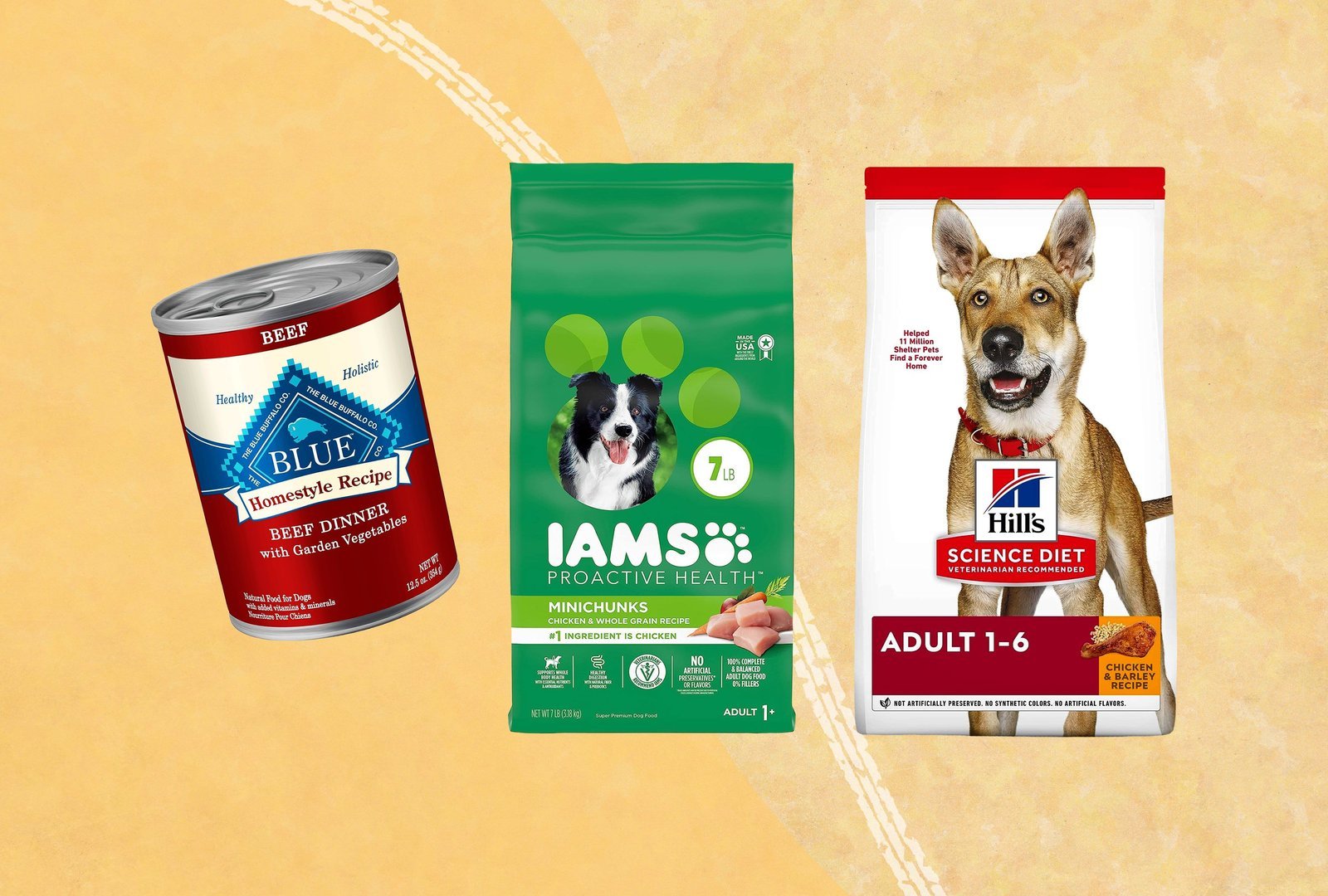
You can tell if a food is high quality by observing your dog’s coat, energy levels, and stool consistency. A healthy dog has a shiny coat without excessive flaking and maintains a stable weight without being lethargic. If the food is working well, stool should be firm and easy to pick up, showing that the dog is absorbing the nutrients effectively. If your dog experiences persistent gas, vomiting, or diarrhea after switching, the formula might contain an ingredient that doesn’t agree with their specific system. Always monitor weight changes closely over the first month to see if you need to adjust the daily portion size.
Common Nutritional Errors
- Overfeeding based on bag guidelines: Manufacturers often provide ranges that are too high for sedentary pets, leading to obesity. Always start at the lower end of the recommended range and adjust based on your dog’s body condition score.
- Ignoring the life stage: Feeding a puppy diet to an adult dog provides excess calories and calcium that can cause health issues. Use the specific formula designed for your dog’s current age and size.
- Adding too many table scraps: Human food can unbalance the carefully calculated nutrients in commercial kibble and lead to weight gain. Limit extras to no more than ten percent of your dog’s total daily calorie intake.
Is expensive dog food always better?
No, price doesn’t always equal quality, as some premium brands spend more on marketing than on nutritional research. You should look for companies that employ full-time veterinary nutritionists and conduct rigorous quality control testing on their batches rather than just choosing the most expensive bag on the shelf.
Why do some dogs need grain-free food?
Only dogs with a diagnosed grain allergy or sensitivity require grain-free diets, which a veterinarian must confirm through testing. For the vast majority of healthy dogs, grains provide essential fiber and energy that support long-term digestive health and cardiovascular function.
How do I know if the food is fresh?
Check the “best by” date on the packaging, which indicates when the vitamins and fats begin to lose their potency. If the food smells rancid or has an oily residue on the outside of the bag, the fats have likely oxidized and you should return it.
Can I mix wet and dry food?
Yes, mixing wet and dry food is safe and can increase palatability for picky eaters. Ensure you calculate the total calories from both sources so you don’t exceed your dog’s daily needs, and always refrigerate any leftover wet food in a sealed container for no more than three days.
What should I do if my dog stops eating their food?
Sudden loss of appetite can indicate a dental issue, an upset stomach, or a more serious underlying illness. If your dog refuses to eat for more than twenty-four hours, or if they show signs of lethargy or vomiting, contact your veterinarian immediately for a physical exam.
How long does a bag of dry food last?
Most dry food remains fresh for four to six weeks after opening if stored in a cool, dry place. If you buy large bags, ensure you can use the contents within this timeframe to prevent the food from going stale and losing its nutritional value.
Choosing the right diet requires balancing your budget with your dog’s specific health needs. Always monitor their weight and energy levels closely, as these are the most reliable indicators of whether your current food choice is providing the nutrition they need to thrive.