
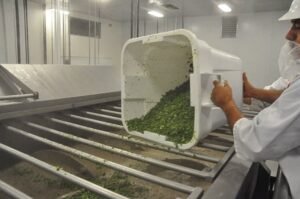
What is inside dog food includes a balanced mixture of proteins, fats, carbohydrates, vitamins, and minerals that meet the specific nutrient profiles required by canine life stages. These ingredients are processed into kibble, canned wet food, or raw diets to ensure your pet receives essential energy and micronutrients daily.
What goes inside dog food
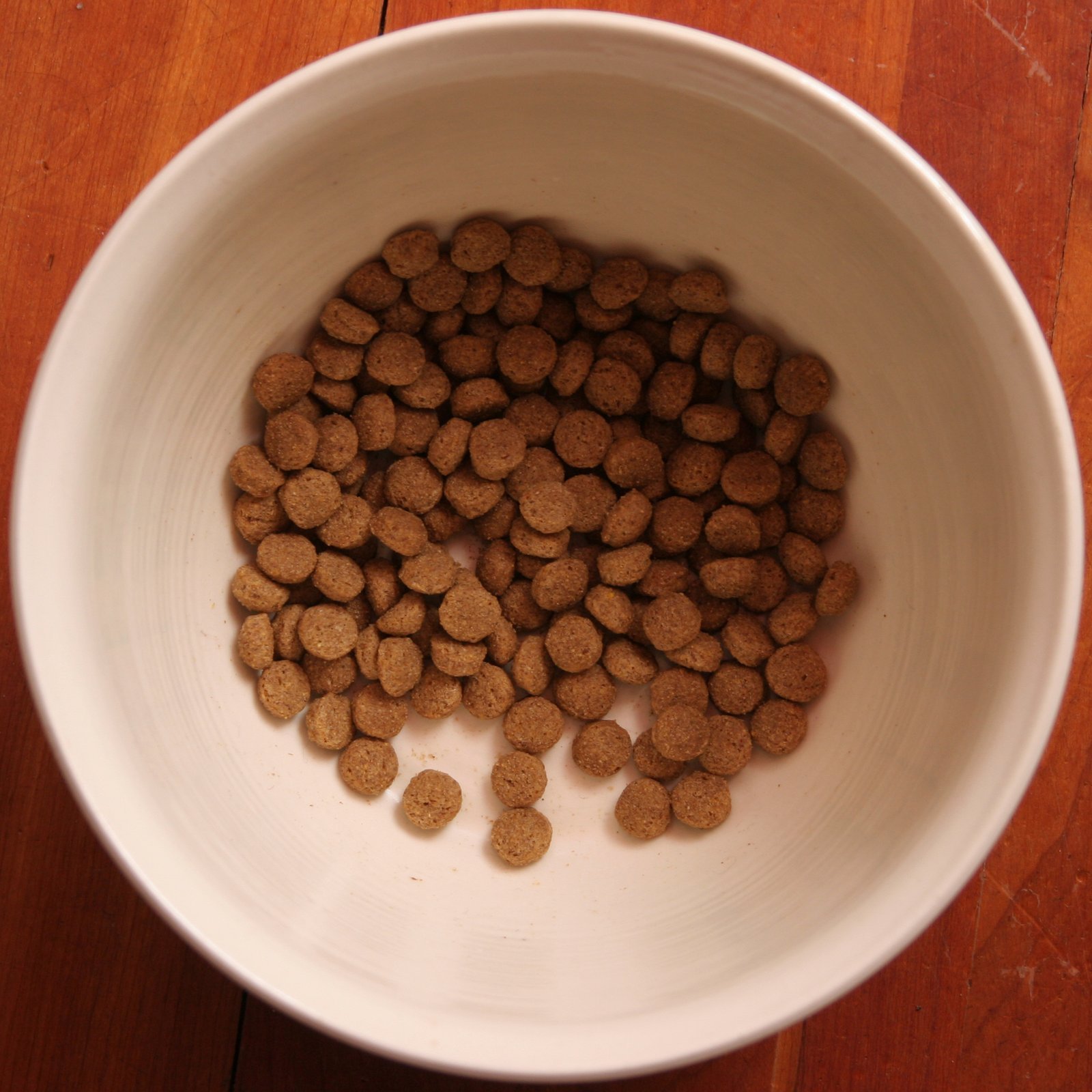
The quality of a diet depends on whether it meets the nutritional standards set for maintenance, growth, or reproduction. A common mistake is assuming that “human-grade” ingredients always mean better nutrition, but a diet is only as good as its complete nutrient balance. If you choose a grain-free option, ensure it’s formulated with high-quality protein sources; if you choose a grain-inclusive diet, look for whole grains that provide fiber.
The Association of American Feed Control Officials provides the regulatory framework that determines what nutrients must be present in commercial products. This varies by product formulation — check the label for an AAFCO statement to confirm the food is nutritionally complete.
Selecting the right ingredients
- Identify the primary protein source listed as the first ingredient, such as chicken, beef, or salmon.
- Check for the presence of healthy fats, like omega-3 fatty acids from fish oil, which support coat and skin health.
- Verify the carbohydrate sources, prioritizing complex options like sweet potatoes or brown rice over simple fillers.
- Scan the label for added vitamins and minerals to ensure the food is fortified according to your dog’s age.
- Avoid products with excessive artificial preservatives or vague ingredient labels like “meat meal” without a species source. Tip: If you’re switching brands, do it slowly over seven days to avoid digestive upset. Tip: If you see ingredients you don’t recognize, look them up on the manufacturer’s official website to see their specific purpose.
Nutritional breakdown by type

The following table shows the typical composition ranges you’ll find in standard commercial products. These figures assume a dry matter basis; moisture content varies significantly between wet and dry options.
Signs of a quality diet
You can tell a food is working by monitoring your dog’s physical condition and energy levels over several weeks. A healthy diet leads to a shiny coat, firm stools, and a stable weight, while poor nutrition often results in dull fur, excessive shedding, or lethargy. The most reliable test is a consultation with your veterinarian, who can assess your dog’s body condition score to see if the current food is providing the right amount of energy. If the weight fluctuates unexpectedly, the caloric density of the current food might be too high or low for your dog’s specific activity level.
Common dietary pitfalls
- Ignoring the transition phase: Switching food instantly often causes vomiting or diarrhea due to the sudden change in dietary composition. Always mix the new food with the old, increasing the ratio of new food over one week.
- Overfeeding based on habits: Relying on a “cup” measurement without considering the calorie density of the specific brand leads to obesity. Always use a standard measuring cup and follow the feeding guide on the bag based on your dog’s target weight.
- Treating as a full meal: Giving too many table scraps or treats dilutes the nutrient balance of the main food. Limit treats to no more than ten percent of your dog’s total daily caloric intake to ensure they eat their balanced kibble.
Frequently asked questions
Can I feed my dog human food?
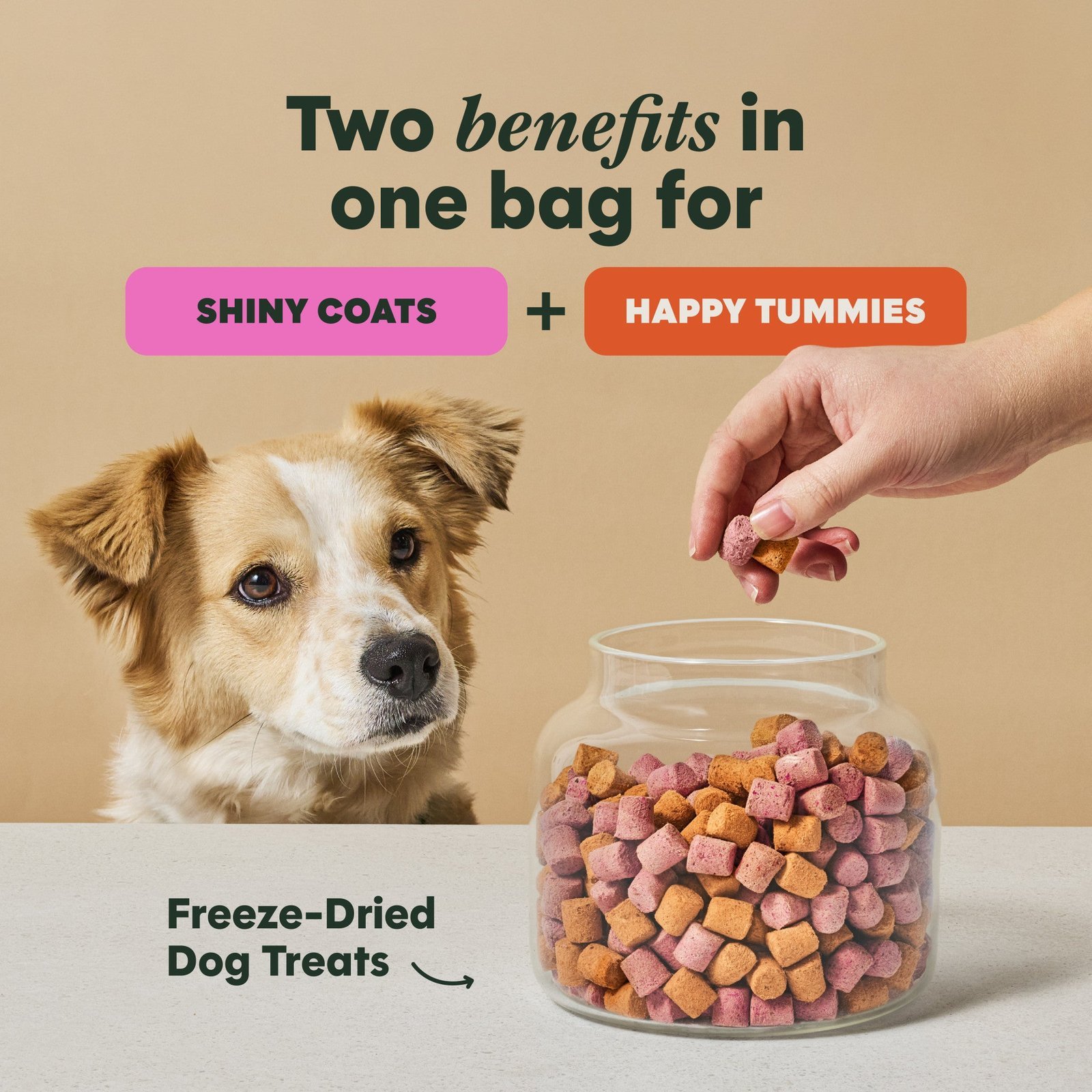
Yes, you can feed your dog human food, but only if it’s plain and non-toxic, such as cooked chicken or steamed carrots. Never include onions, garlic, grapes, or chocolate, as these are toxic to dogs. Always consult your vet before replacing a balanced commercial diet with home-cooked meals.
How long does an opened bag last?
An opened bag of dry food usually stays fresh for four to six weeks if stored in a cool, dry place. Keep the food in its original bag inside an airtight container to prevent oxidation. If the food smells stale or rancid, throw it away immediately to avoid illness.
Is grain-free food better?
No, grain-free food isn’t inherently better unless your dog has a medically diagnosed allergy to grains. Most dogs digest whole grains like oats and brown rice easily. If you switch to grain-free, monitor your dog for any changes in digestion or energy levels and consult your veterinarian.
How much protein does a dog need?
A healthy adult dog typically requires at least eighteen percent protein on a dry matter basis to maintain muscle mass. Highly active dogs or working breeds often benefit from higher levels, sometimes reaching thirty percent or more. Check the label for the AAFCO statement to ensure the levels are appropriate.
What happens if I buy cheap food?
Cheap food often contains lower-quality protein sources or excessive fillers that may lead to higher stool volume or poor coat condition. While these foods often meet minimum safety standards, they may not provide the same nutrient bioavailability as premium formulas. Observe your dog’s overall health to see if the diet is sufficient.
Is wet food better than dry?
No, wet food isn’t necessarily better than dry, but it provides extra hydration which can benefit dogs with kidney issues. Dry food is generally more convenient and helps keep teeth cleaner through mechanical action. Many owners choose a mix of both to balance convenience with hydration needs.
Inside dog, in short
Proper nutrition is the foundation of your pet’s long-term health, so always prioritize products that meet established safety standards and match your dog’s life stage. Monitoring their physical response to the food remains the most effective way to ensure they’re getting exactly what they need.