
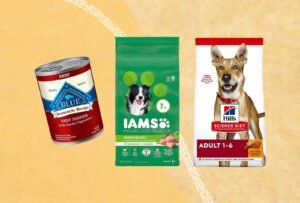
The best dog food to get is any complete and balanced formula that meets the nutritional standards set by the Association of American Feed Control Officials. You should prioritize products that include a clear statement on the label confirming they have passed feeding trials for your dog’s specific life stage.
Why it works / what to know first
Nutritional adequacy is the primary factor that determines if a food will support your dog’s long-term health. If the label lacks a statement from the Association of American Feed Control Officials, the food hasn’t been proven to provide all necessary nutrients in the correct ratios.
The most common mistake owners make is choosing a product based on marketing buzzwords like “holistic” or “premium,” which have no legal definition. These terms don’t guarantee that the food is safer or more nutritious than others.
What is the best dog food to get for your pet
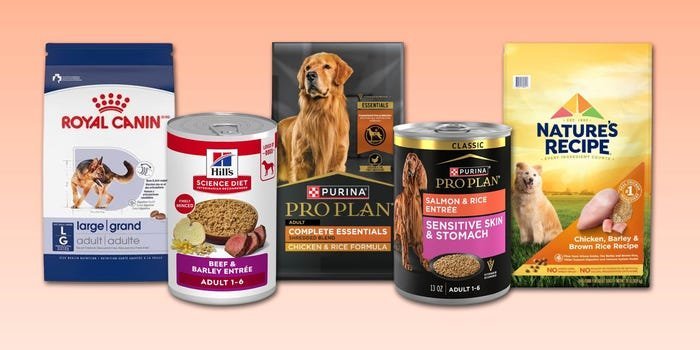
- Check the packaging for the AAFCO statement which confirms the food is complete and balanced for your dog’s age, whether that’s growth, maintenance, or all life stages.
- Verify the manufacturer’s reputation by ensuring they employ full-time veterinary nutritionists who oversee their formulations and quality control processes.
- Compare the ingredient list to confirm that a high-quality animal protein, such as chicken, beef, or fish, is listed as the first item. Tip: Don’t switch brands instantly, as this often causes digestive upset; mix the new food with the old over seven days to help your dog adjust.
- Consult your veterinarian if your dog has specific health conditions, as they may require a therapeutic diet that isn’t available over the counter. Tip: Avoid boutique brands that lack peer-reviewed research, as some have been linked to potential health risks in recent years.
Timeline for Dietary Transitions
| Change Type | Expected Duration | Key Variable | What to Watch For |
|---|---|---|---|
| Gradual Switch | 7-10 days | Dog’s sensitivity | Loose stools |
| Brand Stability | Lifetime | Health status | Weight changes |
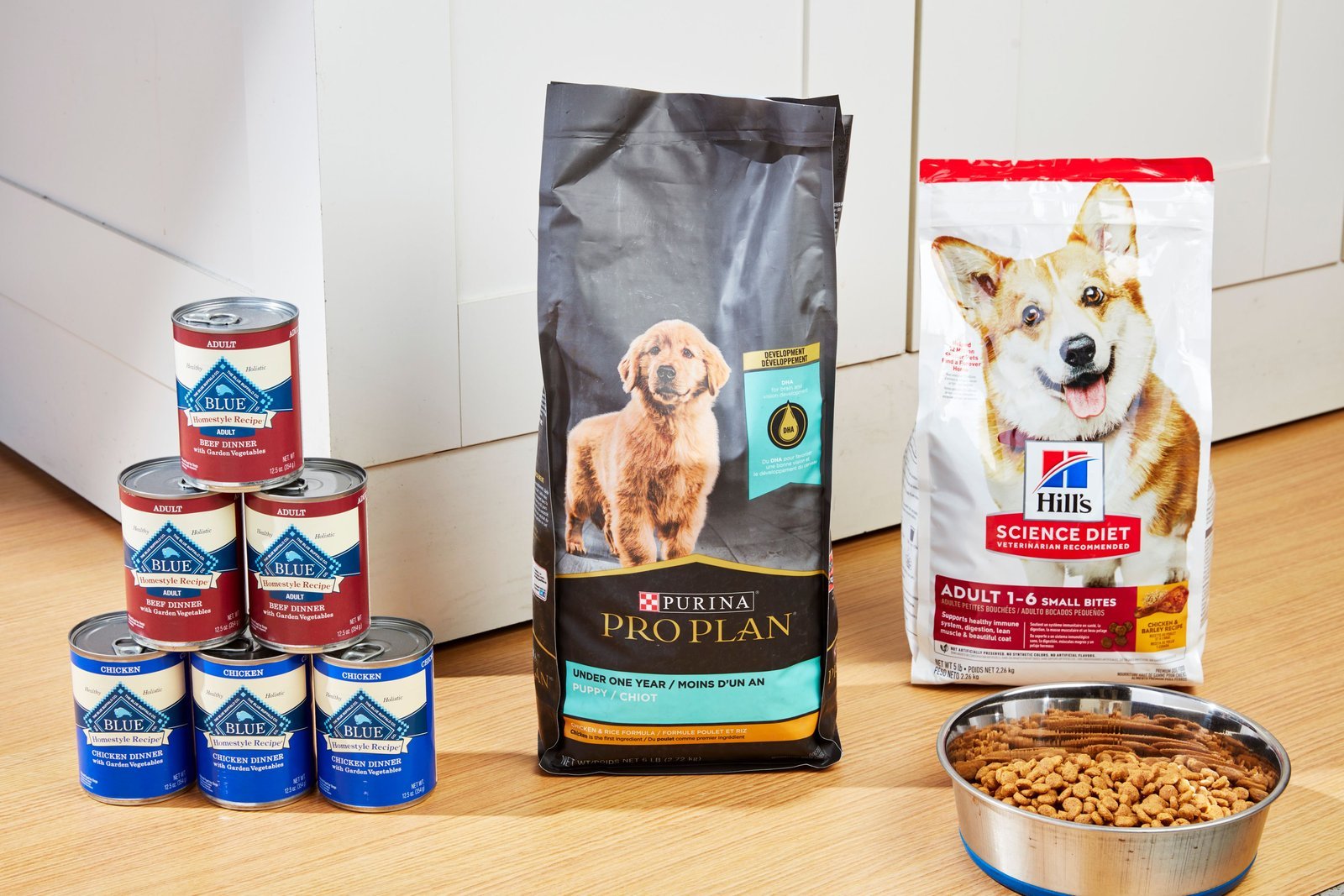
A gradual switch requires a strict ratio: mix 25% new food with 75% old for three days, then move to a 50/50 split. If your dog has a history of gastrointestinal distress, extend this window to 14 days.
If you notice lethargy or a refusal to eat, contact your veterinarian immediately as these may be signs of illness.
When shifting from puppy to adult formulas, monitor body condition scores rather than just the calendar. If your dog gains weight rapidly, cut the portion size by 10% immediately. If vomiting or persistent diarrhea occurs, stop the new food and contact your veterinarian.
Assessing Nutritional Success
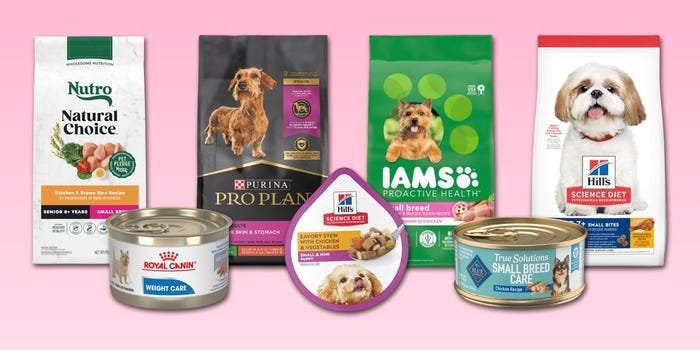
You can tell if a food is working by monitoring your dog’s physical condition and energy levels over several weeks. A healthy dog should have a shiny coat, clear eyes, and firm, regular stools. If you notice your dog becoming lethargic, losing hair, or experiencing unexplained weight gain or loss, the current diet may not be meeting their caloric or nutritional needs. The most reliable test is a body condition score check performed by your veterinarian, which objectively measures if your dog is at an ideal weight. If the signs remain unclear, your vet can run blood work to ensure no underlying deficiencies are present.
Common Diet Pitfalls
- Ignoring Life Stages: Feeding a puppy food to a senior dog can lead to excessive weight gain due to higher calorie density. Always match the bag’s claims to your dog’s current age.
- Trusting Online Trends: Many owners select food based on viral social media claims rather than scientific evidence. Rely on veterinary guidance and established nutritional standards instead of internet popularity.
- Over-supplementing: Adding too many human food scraps or extra vitamins can create dangerous nutritional imbalances. Stick to a balanced commercial diet to ensure your dog gets the right proportions.
Is expensive dog food always better?
No, price doesn’t guarantee quality. Many affordable, well-researched brands meet all regulatory standards, while some expensive boutique brands lack the testing required to prove their long-term safety.
How often should I change my dog’s food?
You don’t need to change your dog’s food frequently. If your dog is healthy, maintaining a consistent diet is better than rotating brands, which can lead to digestive sensitivity.
Can I feed my dog human food?
You can feed small amounts of plain, cooked vegetables or lean meats, but these should never exceed ten percent of the total daily calories. Most human food isn’t balanced for canine needs.
What if my dog refuses to eat?
If your dog stops eating for more than twenty-four hours, it’s a sign that you should see a veterinarian. This could indicate a dental issue, internal illness, or a simple dislike of the new food’s texture.
How long does a bag of dog food stay fresh?
Most dry dog food remains fresh for four to six weeks after opening if stored in a cool, dry place. Always keep the food in its original bag to preserve the protective lining.
Choosing the right food is a matter of checking labels for regulatory standards and observing how your dog responds over time. If you remain unsure, your local veterinarian is the most reliable source for a recommendation tailored to your dog’s breed, age, and health history.
Related guides