
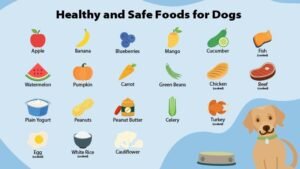
High-quality, commercially prepared pet food that meets AAFCO nutritional standards is the best food to give dogs for balanced health.
Best food to give your dog
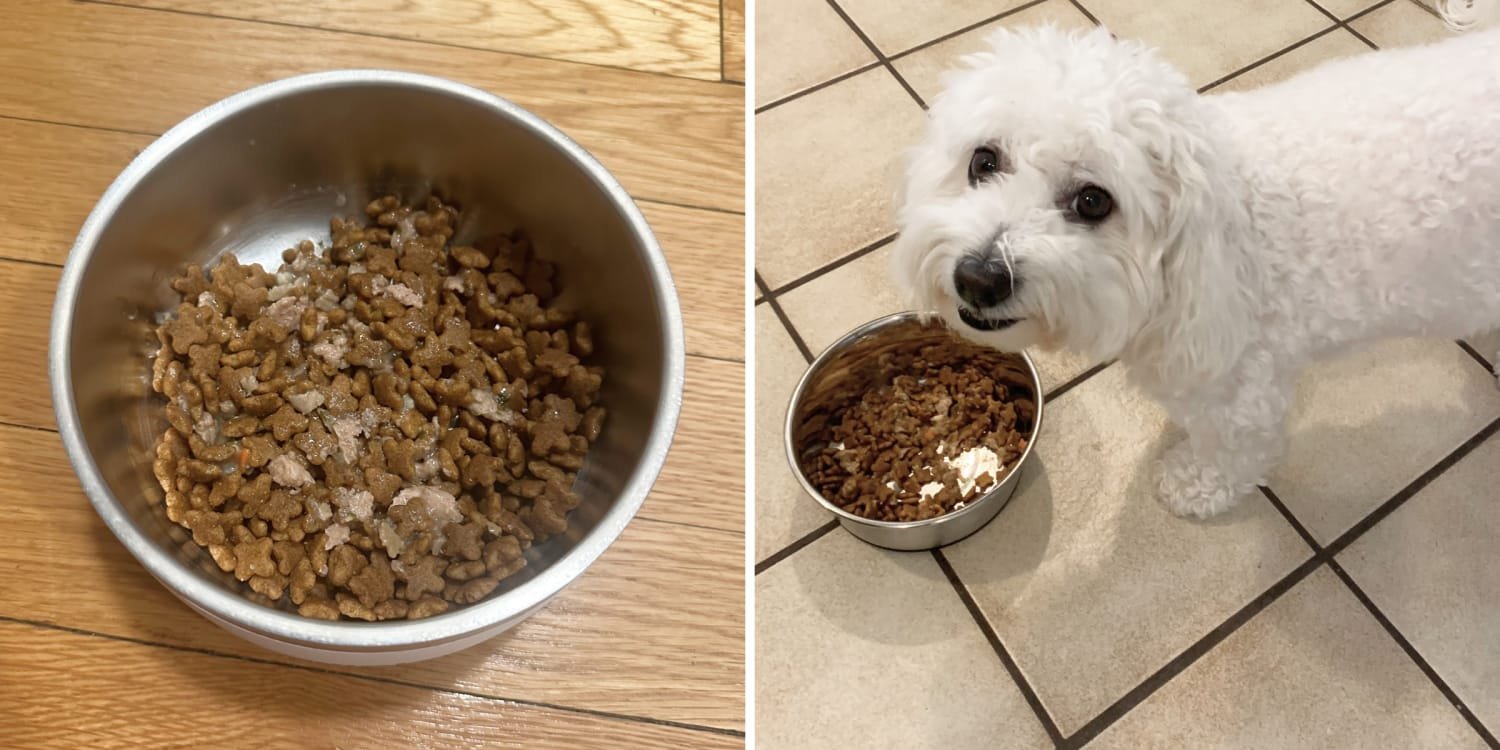
- Look for an AAFCO statement on the label to ensure it’s nutritionally complete.
- Protein should come from named animal sources like chicken, beef, or fish.
- Puppies require calorie-dense food formulated specifically for their rapid growth stages.
- Senior dogs often need lower calorie intake and added joint-support nutrients like glucosamine.
- Avoid feeding table scraps, as many human foods are toxic to canine digestive systems.
- Consult your veterinarian before switching brands to avoid sudden gastrointestinal distress.
Why Quality Standards Matter
Commercial diets are strictly formulated to prevent nutrient deficiencies. AAFCO standards ensure every serving provides the correct ratio of nutrients. Home-prepared food requires a veterinary nutritionist to ensure balance. Without expert guidance, you can’t guarantee your dog’s daily nutritional needs are met.
When Your Dog Needs Dietary Changes
| Situation | What changes | What to do instead |
|---|---|---|
| Food allergies | Protein source | Use hydrolyzed proteins |
| Kidney disease | Phosphorus levels | Switch to prescription diets |
| Obesity | Calorie density | Use weight management formulas |
| High activity | Energy requirements | Increase working dog feed |
| Sensitive stomach | Fiber content | Choose limited ingredient diets |
Feeding Your Dog Properly
- Measure food using a standard cup to ensure you provide the exact daily amount recommended by the label.
- Divide the total daily portion into two equal meals to help your dog maintain stable energy levels throughout the day.
- Check the packaging for the weight-based feeding guide, but adjust if your dog is gaining or losing weight unexpectedly.
- Provide fresh, clean water in a stainless steel or ceramic bowl that you wash with soap every single day.
- Introduce new food by mixing it with the old brand over five to seven days to prevent stomach upset.
- Monitor your dog’s body condition score; you should be able to feel the ribs without seeing them clearly.
Common Dog Feeding Mistakes
- Free-feeding or leaving food out all day often leads to obesity and makes it hard to track appetite.
- Ignoring the serving size on the bag causes most dogs to consume more calories than they actually burn.
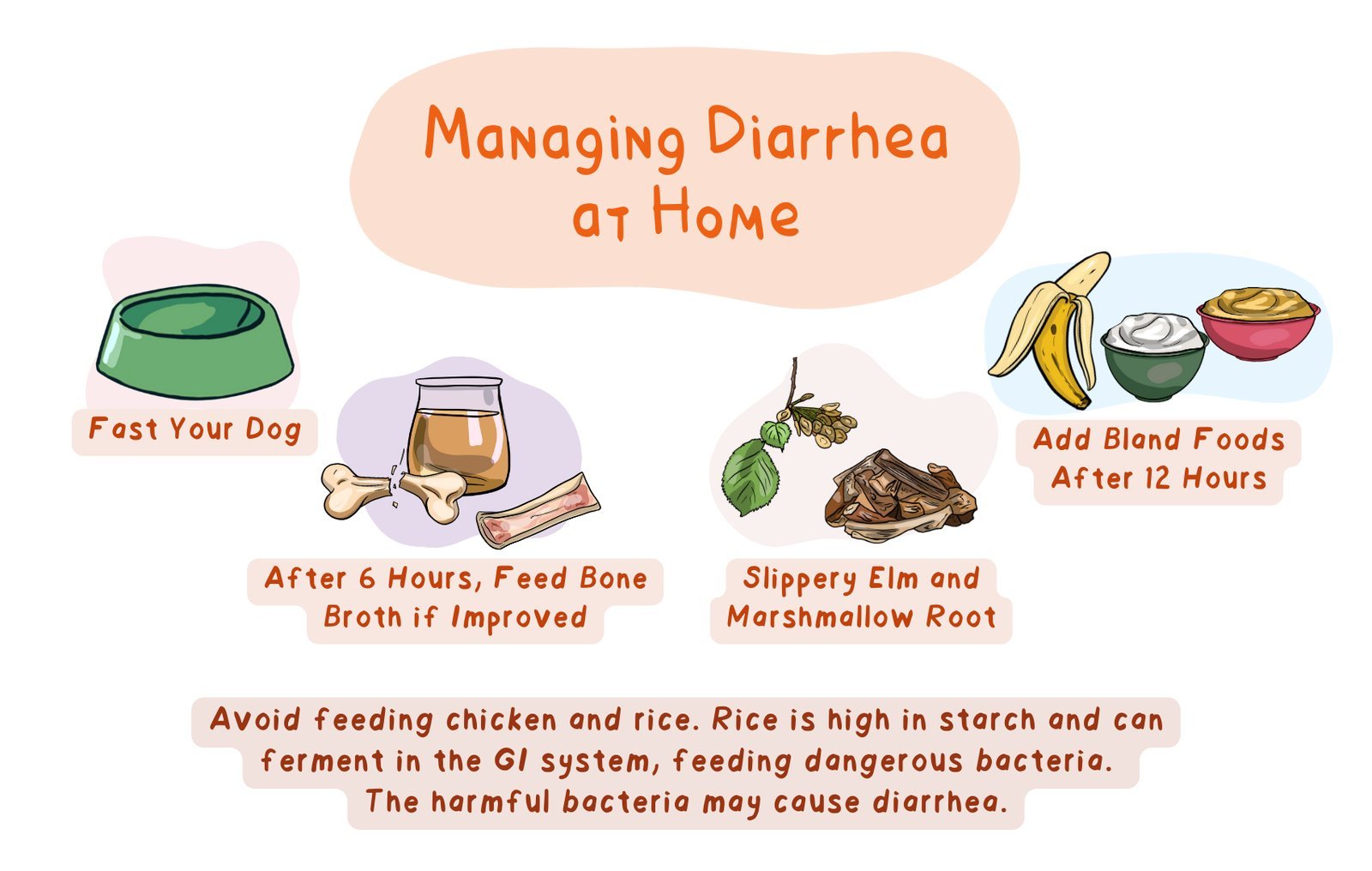
- Switching food brands too rapidly without a transition period frequently results in diarrhea or vomiting.
- Adding human supplements without veterinary approval can create dangerous nutrient imbalances or toxicity.
Frequently asked questions
How much should I feed my dog daily?
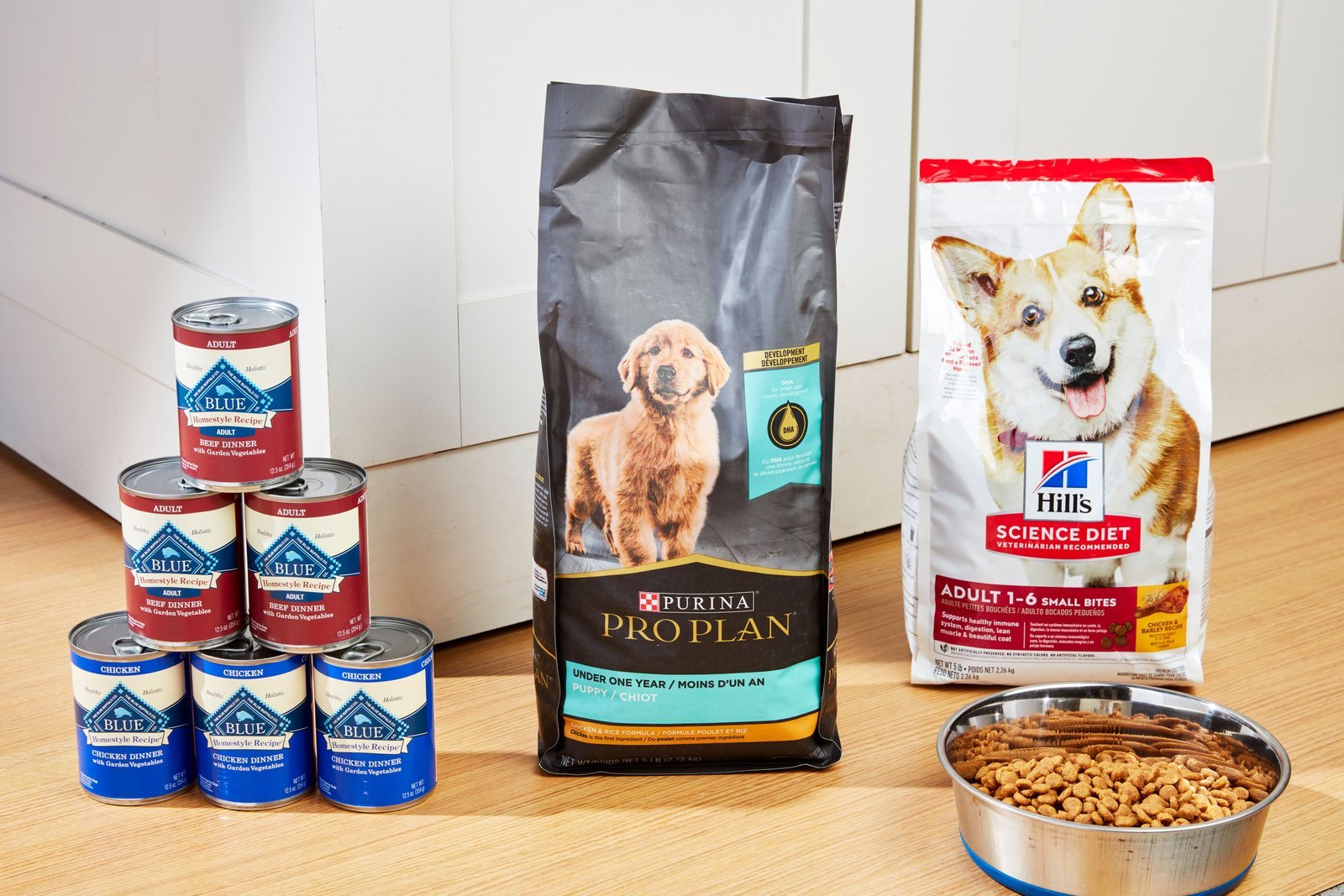
The amount depends on your dog’s weight, activity level, and the caloric density of the specific food brand; always start by following the feeding chart printed on the product packaging.
Is raw food safe for dogs?
No, the American Veterinary Medical Association discourages raw diets because they carry a high risk of bacterial contamination like Salmonella and Listeria that can affect both dogs and humans.
How often should I feed an adult dog?
Most healthy adult dogs do best with two meals per day, as this schedule helps maintain steady blood sugar levels and prevents the hunger-related issues associated with once-daily feeding.
Can dogs eat human food?
Some plain, cooked vegetables and meats are safe, but many common items like onions, garlic, chocolate, and grapes are toxic and can cause severe illness or organ failure in dogs.
How do I know if the food is good?
The best food will always have an AAFCO nutritional adequacy statement on the label, which indicates the manufacturer has formulated the product to meet or exceed AAFCO nutrient profiles or has successfully completed an AAFCO-compliant feeding trial.
Does grain-free food help dogs?
There’s no scientific evidence that grain-free food is better for the average dog, and you should only choose it if your veterinarian has confirmed a specific grain allergy.
Providing your dog with consistent, high-quality nutrition is the simplest way to support long-term health.
Food give, in short
Choosing the right bowl filler doesn’t have to be overwhelming. If you’re unsure about your pup’s specific needs, don’t hesitate to reach out to your veterinarian. They’ll help you find a diet that’s perfect for your furry friend’s age and activity level, so you can keep them happy for years.