
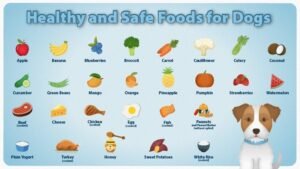
The best fresh food to feed your dog is lean protein sources like cooked chicken, turkey, or beef, as they provide essential amino acids for muscle maintenance.
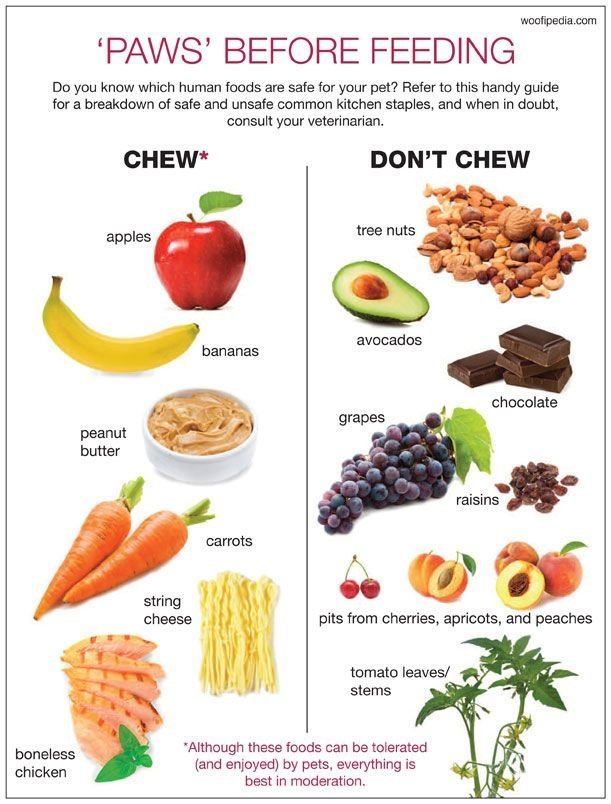
The most important factor is balance. Fresh food shouldn’t make up more than 10% of your dog’s daily calories unless you’re working with a veterinary nutritionist to create a complete, balanced diet. The most common mistake is adding “human” leftovers that contain toxic ingredients, such as grapes, raisins, or macadamia nuts, which can cause severe health issues even in small amounts.
How to feed fresh food safely
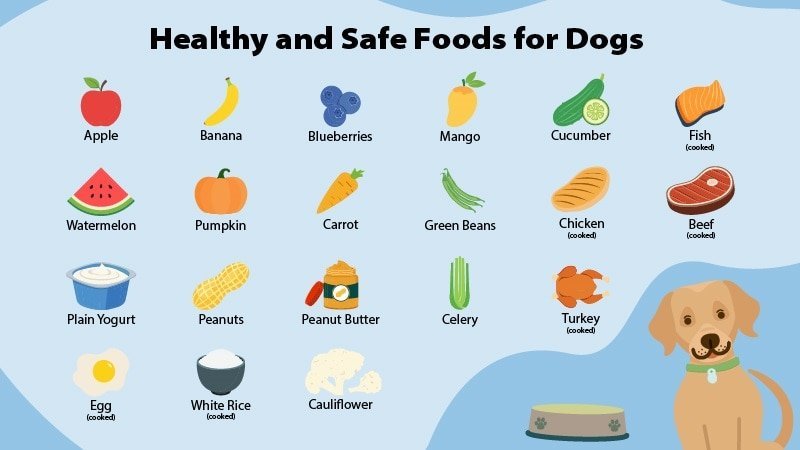
- Select lean, boneless cuts of protein like chicken breast or lean ground beef.
- Cook the meat thoroughly using a heat source like a stove or oven; never serve raw meat to avoid bacterial contamination.
- Remove all visible fat, skin, and bones, as these can cause digestive upset or pancreatitis in many dogs.
- Chop the cooked protein into bite-sized pieces that match your dog’s size to prevent choking hazards.
- Combine the protein with plain, cooked vegetables like green beans or carrots if your dog tolerates them well.
- Cool the mixture completely to room temperature before serving it in your dog’s bowl.
Tip: If you’re unsure about specific ingredients, check the American Veterinary Medical Association guidelines on nutritional requirements.
Tip: Avoid adding any salt, butter, or oil, as these additives can lead to weight gain or stomach distress.
Estimated preparation and cooling time
Fresh food preparation requires careful attention to cooling times to ensure safety. The following table assumes you’re preparing a standard portion of roughly 4 to 8 ounces of cooked protein.
| Situation | How long | What changes it | What to watch for |
|---|---|---|---|
| Stovetop cooking | 15–20 minutes | Meat thickness | Internal color |
| Oven roasting | 30–45 minutes | Portion weight | Dryness |
| Cooling time | 20–30 minutes | Ambient temperature | Surface heat |
If the meat is still warm to the touch, wait longer before serving; it’s better to wait an extra ten minutes than to risk a burned mouth.
Identifying when food is ready

To confirm that the food is safe, you must cook poultry to an internal temperature of 165°F and beef to 160°F, as confirmed by a digital food thermometer. You should never rely on visual cues like color alone, as meat can appear brown while still harboring harmful bacteria. If you’re serving vegetables, they should be soft enough to mash easily with a fork, which helps your dog digest the fiber. If your dog refuses the food or seems uninterested, don’t force them to eat; consult your veterinarian to rule out underlying health issues.
Common dietary mistakes to avoid
- Including toxic seasonings: Many common kitchen ingredients like garlic, chives, and onions are highly toxic to dogs and can cause anemia. Always cook with plain water or steam rather than using pre-made sauces or spice blends.
- Serving bones: Cooked bones become brittle and can splinter in your dog’s throat or stomach, leading to internal punctures. Always remove all bones before serving any fresh meat to your pet.
- Ignoring calorie density: Adding high-calorie fresh food to a full portion of kibble causes rapid weight gain. You must reduce the amount of commercial dog food by an equal caloric amount to maintain your dog’s healthy weight.
Frequently asked questions
Can I feed my dog fresh food every day?
Yes, you can feed your dog fresh food daily, provided it’s part of a nutritionally balanced diet. If fresh food makes up more than 10% of their total intake, you need a recipe formulated by a veterinary nutritionist to ensure they receive all necessary vitamins and minerals.
Is it safe to feed my dog cooked eggs?
Yes, plain cooked eggs are a safe and excellent source of protein for most dogs. You should always cook them until the yolk and white are firm, as raw eggs carry a risk of salmonella, which can affect both your dog and the humans in your household.
How much fresh food should I give my dog?
You should limit fresh food to no more than 10% of your dog’s total daily caloric intake. For a medium-sized dog eating 500 calories a day, this means no more than 50 calories, or roughly one to two ounces of lean, cooked protein, depending on the specific calorie density.
What happens if my dog eats onions?
Onions contain compounds that can damage a dog’s red blood cells, potentially leading to hemolytic anemia. If you suspect your dog has eaten any amount of onion, contact your veterinarian immediately, as symptoms like lethargy and pale gums may not appear for several days after ingestion.
Can I feed my dog raw meat?
No, feeding raw meat is generally discouraged due to the high risk of foodborne pathogens like Salmonella and E. coli. These bacteria pose a significant health threat to your dog and can spread to you and your family through contact with the dog’s mouth or bowls.
How long can fresh food stay out?
You should remove any uneaten fresh food after 30 minutes to prevent bacterial growth. If you aren’t serving the food immediately after it cools, store it in the refrigerator in a sealed container and consume it within three days to ensure it remains safe for your pet.
Fresh food, in short
Providing fresh food is a great way to reward your dog, but it must be done with caution to ensure their safety and long-term health. Always prioritize plain, cooked ingredients and monitor your dog for any changes in their digestion or energy levels.
Related guides