
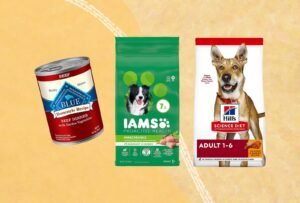
Selecting the best type of dog food for your pet means choosing a formula that meets established nutritional standards. This ensures the diet provides a complete and balanced profile of proteins, fats, and essential minerals tailored to your dog’s specific life stage.
The primary factor in your choice is the life stage of the dog. Puppies, adults, and seniors have different metabolic needs, and feeding the wrong type can lead to developmental issues or obesity. The most common mistake people make is choosing food based on marketing claims like “holistic” or “ancestral” rather than checking the nutritional adequacy statement on the back of the bag. If you’re unsure about your dog’s specific needs, always consult your veterinarian before changing their diet.
What is the best type of dog food to choose?
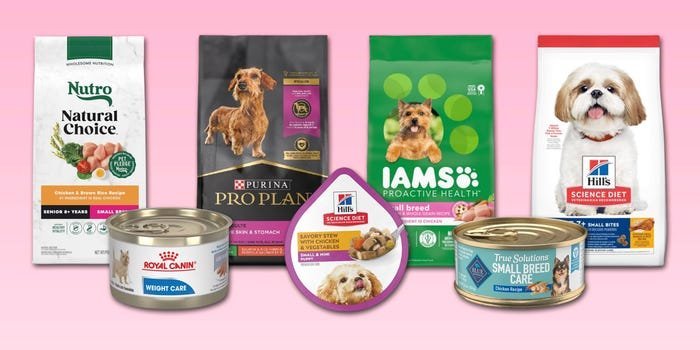
- Check the label for the nutritional adequacy statement, which confirms the food is formulated for growth, maintenance, or all life stages.
- Select a formula that lists a high-quality animal protein, such as chicken, beef, or fish, as the first ingredient.
- Measure the daily intake using a standard kitchen scale, as “cups” vary by brand density, and adjust based on your dog’s activity level.
- Transition to the new food over seven to ten days by mixing increasing amounts of the new brand with the old one to avoid digestive upset.
- Store dry kibble in an airtight container in a cool, dry place to prevent fat oxidation and moisture buildup.
Tip: If your dog has a sensitive stomach, stick to a single-protein source formula to make it easier to identify potential allergens.
Time and feeding variations
Feeding schedules depend heavily on the size and age of the dog, as smaller breeds require more frequent meals to maintain blood sugar levels.
| Life Stage | Daily Meals | Why it varies | Watch for |
|---|---|---|---|
| Puppy | 3 to 4 | High metabolic rate | Rapid weight gain |
| Adult | 1 to 2 | Stable metabolism | Body condition score |
| Senior | 1 to 2 | Slower digestion | Reduced appetite |
If your dog leaves food in the bowl consistently for more than 20 minutes, reduce the portion size at the next meal to prevent overfeeding.
Indicators of dietary success
Photo: stevesrealfood.com on Google
You can tell if a food is working by observing your dog’s physical condition and energy. A healthy dog should have a shiny coat, clear eyes, and firm, consistent stools. If your dog is losing weight or seems lethargic, the calorie density of the current food may be too low for their activity level. Conversely, if your dog is gaining weight, you must reduce the portion size or switch to a lower-calorie formula. The most reliable test is a body condition score evaluation, where you should be able to feel the ribs without pressing hard but not see them clearly.
Common feeding errors
- Overfeeding based on bag guidelines: Most bags suggest a range that’s often too high for inactive pets, leading to obesity. Always start at the lower end of the recommended range and adjust if your dog loses body condition.
- Ignoring the transition period: Switching foods instantly often causes vomiting or diarrhea because the gut bacteria can’t adapt to the new ingredients. Spend at least one week gradually introducing the new brand to let the digestive system adjust.
- Adding too many human table scraps: Feeding leftovers adds empty calories that unbalance the carefully formulated nutrients in dog food. If you want to use treats, ensure they account for no more than ten percent of the dog’s total daily caloric intake.
Frequently asked questions
Can I feed my dog a raw diet?
Yes, you can feed a raw diet, but it carries significant risks of bacterial contamination like Salmonella and E. coli. If you choose this path, you must handle the food with strict hygiene practices and ensure the diet is nutritionally balanced to avoid dangerous deficiencies in calcium or phosphorus.
How do I know if a food is high quality?
Look for a statement on the packaging that confirms the food has undergone AAFCO feeding trials rather than just being formulated to meet the profile. This indicates the manufacturer has tested the food on actual dogs to ensure it provides the necessary nutrients for long-term health.
Is grain-free food better for dogs?
No, grain-free food isn’t inherently better unless your dog has a diagnosed grain allergy. Most dogs digest grains easily, and they provide a good source of energy and fiber; always speak with your veterinarian before removing entire food groups from your pet’s daily meals.
How long does a bag of dog food last?
A bag of dry dog food generally stays fresh for about four to six weeks after opening if stored properly. To maintain quality, keep the food in its original bag inside a sealed container to prevent the fats from going rancid due to air exposure.
What happens if I switch brands too often?
Switching brands too often can cause chronic digestive upset and makes it impossible to know which food is causing a reaction if your dog develops an allergy. It’s best to stick with one high-quality, balanced brand that works well for your pet’s specific digestion and energy needs.
Is canned food better than dry kibble?
Canned food is often better for hydration because of its high moisture content, but it’s more expensive and has a shorter shelf life once opened. Many owners choose a mix of both to provide the convenience of kibble with the palatability and moisture of wet food.
Type dog, in short
Choosing the right food is a long-term commitment to your dog’s health. Always monitor your pet’s weight and energy levels whenever you introduce a new diet, and remember that individual needs vary; check the label for specific feeding instructions based on your dog’s weight.