
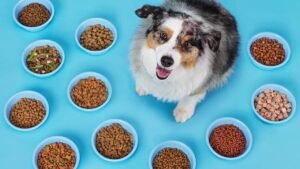
A balanced, nutrient-dense diet containing proteins, fats, vitamins, and minerals is the essential food for dogs. This assumes a healthy adult dog; puppies and seniors require specific life-stage formulas.
What Is the Food for Dogs: Nutrition Facts
- Adult dogs require a minimum of 18% crude protein on a dry matter basis for maintenance.
- Puppies need higher levels of protein and calcium to support rapid bone and muscle growth.
- Always provide fresh, clean water at all times to help your dog digest nutrients properly.
- Check the label for an AAFCO statement to ensure the food provides complete, balanced nutrition.
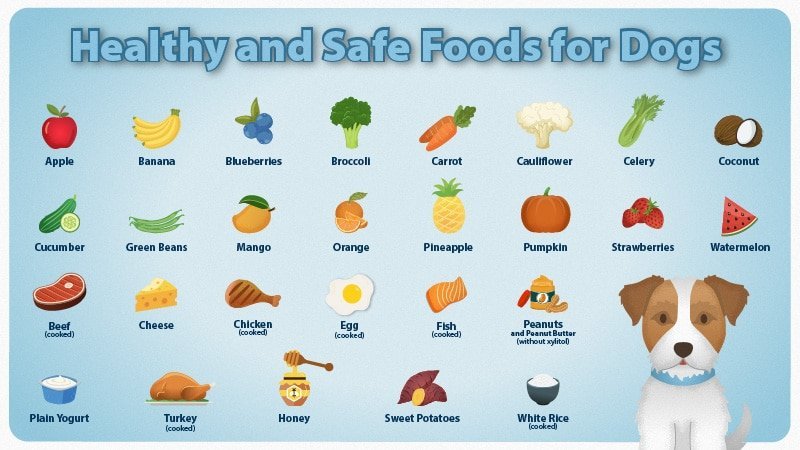
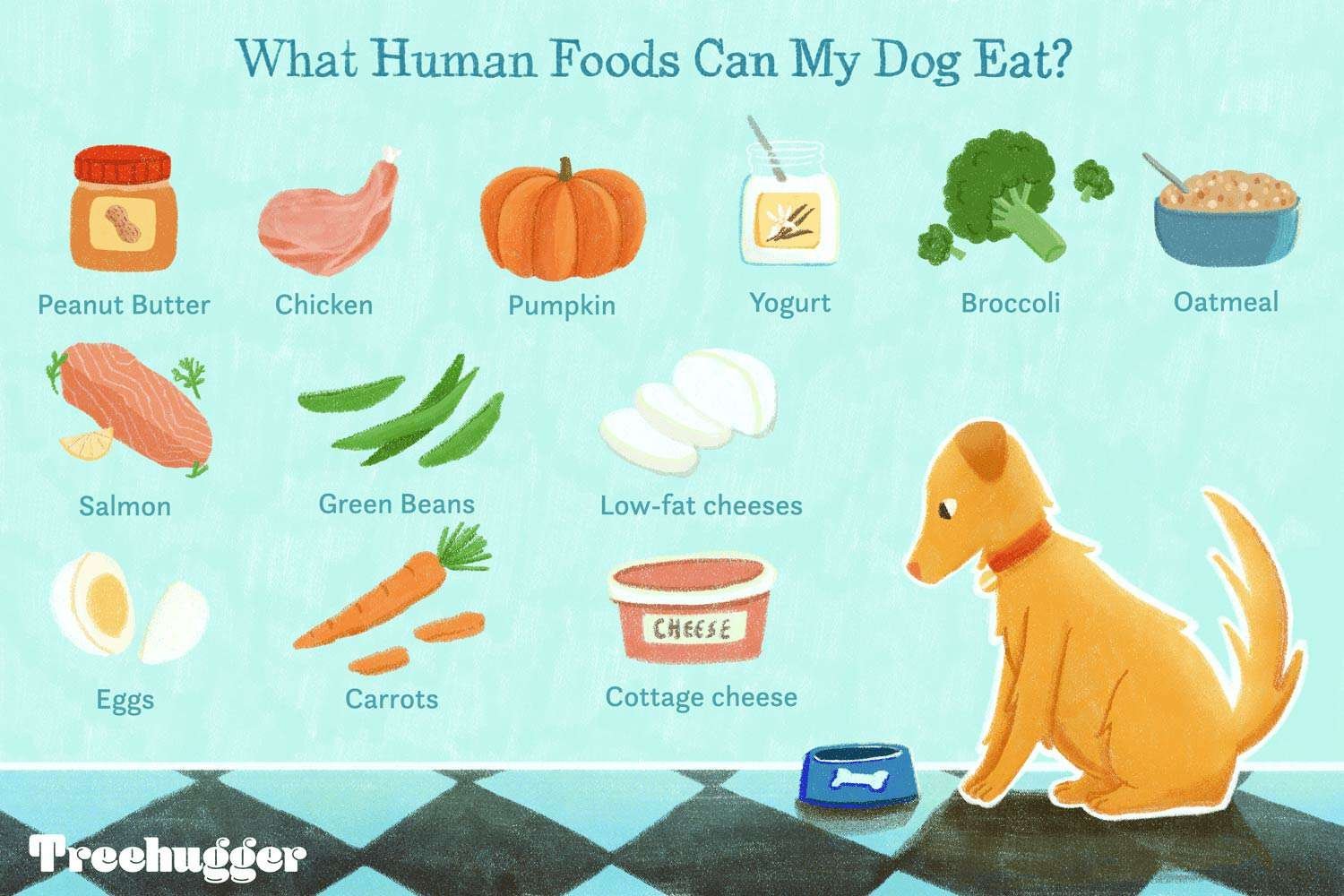
- Avoid feeding human foods like grapes, onions, or chocolate, as these are toxic to dogs.
- If you switch brands, do it slowly over seven days to prevent upset stomachs.
Why Quality Ingredients Matter
Proper canine nutrition relies on high-quality ingredients that provide energy and support biological function. Dogs are omnivores, meaning they thrive on a mix of animal proteins and plant-based nutrients that provide necessary amino acids, fatty acids, and fiber. Protein helps maintain muscle mass, while fats provide the energy needed for daily activity. Vitamins and minerals act as co-factors for metabolic processes, ensuring organ systems work correctly.
When choosing food, you should look for labels that clearly list the source of the protein, such as chicken, beef, or lamb. The AAFCO nutrient profiles for dogs provide the scientific benchmarks that manufacturers use to formulate safe, complete diets. It’s important to remember that this varies by product—check the label for the specific life stage intended for your pet. If your dog has specific health issues, consult your veterinarian to determine the exact calorie and nutrient profile required for their unique needs.
When Nutritional Needs Change
| Situation | What changes | What to do instead |
|---|---|---|
| Puppy stage | Growth requirements | Use specific puppy formula |
| Pregnancy | Calorie density | Provide high-energy food |
| Senior years | Metabolic rate | Choose low-calorie diet |
| Allergies | Protein source | Use limited ingredient food |
| Activity level | Energy needs | Adjust daily portion size |
How to Feed Your Dog Properly
- Calculate your dog’s daily caloric needs based on their weight and activity level; check the packaging for suggested feeding guidelines.
- Use a standard measuring cup to portion out the kibble; guessing leads to weight gain or poor nutrition over time.
- Divide the total daily amount into two equal meals, feeding once in the morning and once in the evening for digestion.
- Remove any uneaten food after 30 minutes to prevent spoilage and keep your pet from grazing throughout the day.
- Wash the food and water bowls daily with hot, soapy water to prevent the buildup of harmful bacteria or mold.
- Monitor your dog’s body condition score; if ribs are hard to feel under a layer of fat, reduce the portion size.
Mistakes That Ruin Diet Quality
- Feeding table scraps frequently leads to obesity and can cause life-threatening pancreatitis in dogs.
- Leaving dry food out all day invites pests and allows the fats in the food to oxidize, making it less palatable.
- Ignoring the “best by” date results in food that has lost its nutritional potency and may be unsafe.
- Changing a dog’s food brand instantly instead of gradually often causes severe diarrhea and vomiting.
Frequently asked questions
How much food should a dog eat per day?
Most adult dogs need about 25 to 30 calories per pound of body weight daily. Check the feeding chart on your specific brand of food, as caloric density differs by formula, then adjust based on your dog’s activity level and weight.
Is it safe to feed a dog raw meat?
No, feeding raw meat carries a high risk of bacterial contamination like Salmonella and Listeria. These pathogens can make your dog ill and pose a significant infection risk to humans living in the same household who handle the food.
How often should I change my dog’s food?
You shouldn’t change a dog’s food unless there’s a medical reason, such as an allergy or a change in life stage. If you must switch, do it over one week by mixing increasing amounts of the new food into the old.
What are signs of a bad diet?
Signs of a poor diet include dull fur, excessive shedding, low energy, and unexplained weight loss or gain. If you notice these symptoms, check the food label first, then schedule an appointment with your veterinarian for a health evaluation.
Can dogs eat human food like rice?
Yes, plain cooked rice is safe and often recommended for dogs with upset stomachs. However, it should only be a small part of their diet and must never include seasonings, onions, garlic, or butter, which are harmful to canine health.
How long does dry dog food stay fresh?
Dry dog food remains fresh for four to six weeks after opening if stored in a cool, dry place. Always keep the bag tightly sealed or place the food in an airtight container to prevent moisture and air from degrading the vitamins.
Does the brand of food matter?
Yes, the brand matters because reputable companies conduct feeding trials to ensure their products are nutritionally sound. Always choose brands that provide a nutritional adequacy statement printed on the bag label.
Food dogs, in short
Feeding your dog correctly is the most effective way to ensure they live a long, healthy life. By choosing a regulated, balanced diet and maintaining consistent portions, you support their well-being and help prevent many common health issues. Always monitor your dog’s weight and behavior, and don’t hesitate to ask your veterinarian for advice tailored to your specific pet.