
High-quality, commercially prepared kibble or canned wet food provides the essential nutrients dogs need. These products are formulated to meet AAFCO nutritional standards for specific life stages, ensuring your pet receives the correct protein, fat, and vitamin ratios for their health.
Why it works / what to know first
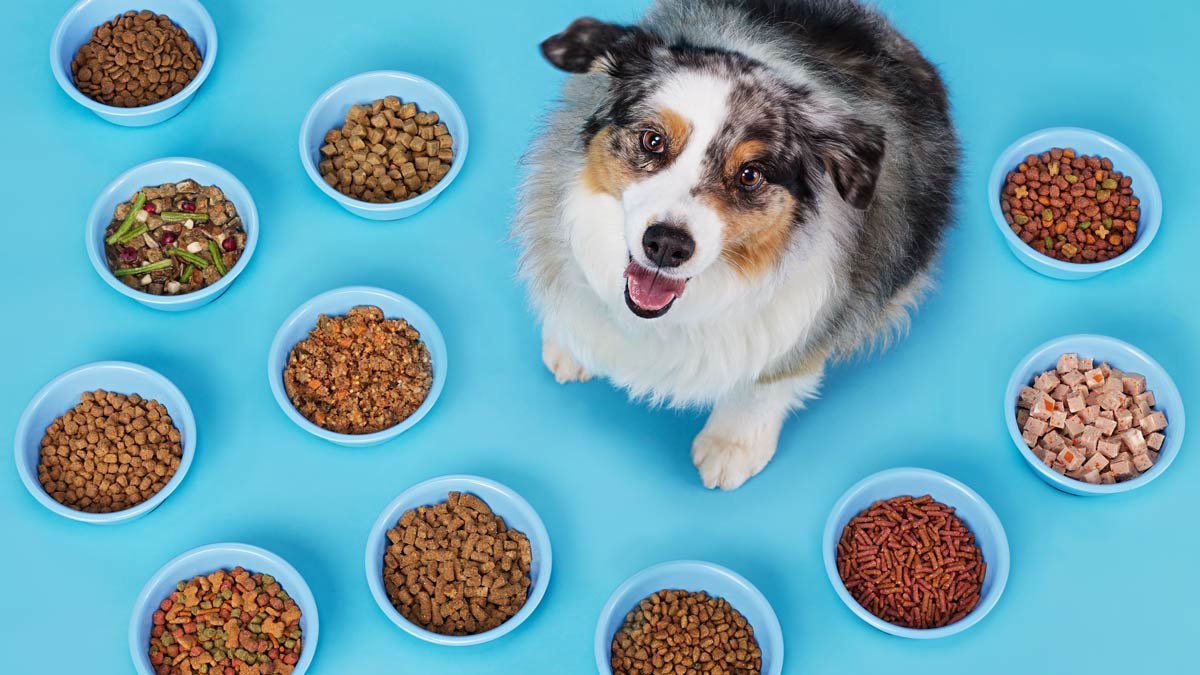
Dogs are omnivores, meaning they thrive on a mix of animal-based proteins and plant-derived nutrients. The most important factor is choosing a diet labeled “complete and balanced,” which ensures the food meets the Association of American Feed Control Officials nutrient profiles.
The biggest mistake is feeding dogs human table scraps as a primary meal. This often leads to nutritional imbalances or obesity and can expose them to toxic ingredients like onions or xylitol.
Essential Feeding Guidelines
- Select a life-stage-specific formula, such as “puppy,” “adult,” or “senior,” to match the metabolic needs of your dog.
- Measure portions using a standard kitchen cup or a digital scale to avoid overfeeding, which is the leading cause of canine obesity.
- Transition to a new brand over seven days by mixing increasing amounts of the new food with the old to prevent digestive upset.
- Provide constant access to fresh, clean water in a stainless steel or ceramic bowl that’s cleaned daily.
- Store dry kibble in an airtight container in a cool, dry place to prevent fats from going rancid. Tip: If your dog has allergies or sensitive skin, consult a veterinarian before switching to grain-free or limited-ingredient diets, as these aren’t necessary for all dogs.
- Consult a veterinarian if you notice a sudden loss of appetite or weight change, as these can indicate underlying health issues rather than food dissatisfaction. Tip: Never feed your dog raw meat or unpasteurized eggs, as these carry a significant risk of Salmonella or E. coli infection for both the pet and the household.
Daily Feeding Schedules
| Life Stage | Meals per Day | Serving Basis | Monitoring Goal |
|---|---|---|---|
| Puppy | 3 to 4 | Weight-based | Steady growth |
| Adult | 2 | Calorie-based | Stable weight |
| Senior | 2 | Calorie-based | Muscle maintenance |
If your dog is losing weight despite following the package guidelines, increase the portion by ten percent and monitor them for two weeks.
Identifying Proper Nutrition
Look at the ingredient list on the packaging for a named protein source, such as “chicken,” “beef,” or “lamb,” as the first ingredient. A healthy dog should have a shiny coat, firm stools, and consistent energy levels throughout the day. If the skin looks dry or the energy is consistently low, the nutrient density of the current food may be insufficient. The ultimate test of nutrition is a body condition score check: you should be able to feel the ribs easily without seeing them, and the dog should have a visible waist when viewed from above.
Common Feeding Errors
- Feeding by eye: Estimating portion sizes often results in overfeeding, which leads to joint stress and heart issues. Always use a measuring cup to ensure you’re serving the exact amount recommended for your dog’s weight.
- Ignoring treat calories: Treats should never make up more than ten percent of a dog’s daily caloric intake. If you give extra treats, reduce the main meal size to compensate for the added calories.
- Rapid diet changes: Switching brands overnight causes vomiting and diarrhea because the gut microbiome can’t adapt quickly enough. Always follow a seven-day gradual transition period to protect your dog’s digestion.
- Using expired food: Stale or rancid food loses nutritional value and can harbor mold. Check the “best by” date on every bag and discard any food that smells sour or has an oily, off-putting odor.
Frequently asked questions
Photo: en.wikipedia.org on Google
Can dogs eat human food?
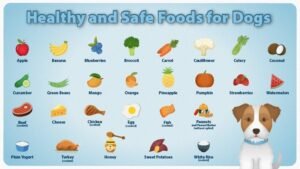
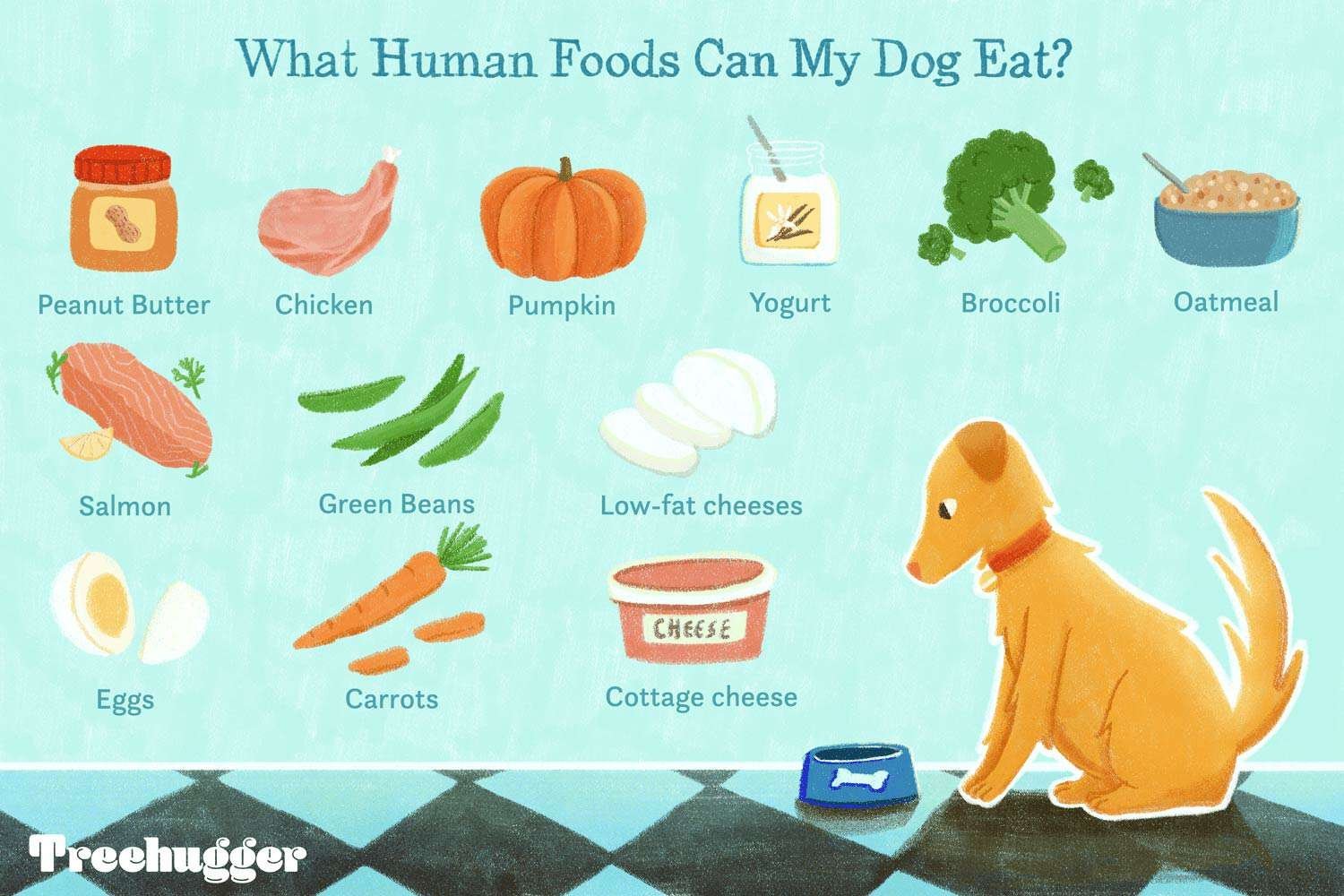
Yes, dogs can eat certain human foods like plain cooked chicken, carrots, or green beans, but these should only be occasional treats. Never feed your dog grapes, raisins, chocolate, onions, or anything containing the sweetener xylitol, as these can be fatal even in small amounts for some dogs.
How much should I feed my dog?
You should feed your dog based on the calorie density of the specific food and their activity level, usually found on the bag’s feeding chart. If your dog is highly active, they may require the upper end of the range, while sedentary dogs often need the lower end to maintain weight.
How often should I feed my dog?
You should feed adult dogs two meals per day to maintain stable blood sugar levels and digestion. Puppies require three to four smaller meals daily to support their rapid development, while senior dogs may benefit from two meals to prevent digestive strain or bloating.
Is grain-free food better for dogs?
No, grain-free food isn’t medically better for the average dog unless they have a specific, vet-diagnosed grain allergy. Most dogs digest grains like rice and oats perfectly well, and these ingredients provide essential fiber and energy for daily activity and long-term health.
How long can I leave dog food out?
You should leave wet food out for no more than thirty minutes to prevent bacterial growth. Dry kibble can stay out for a full day, but it’s best to pick up uneaten food to keep the eating area clean and monitor how much the dog is actually consuming daily.
What happens if I overfeed my dog?
Overfeeding causes obesity, increasing the risk of diabetes, arthritis, and heart disease in dogs. If your dog gains weight, reduce their daily intake by five to ten percent and increase exercise. Consult your veterinarian for a structured weight-loss plan to ensure your pet remains healthy and active.
Food dog, in short
Always check the ingredient label before you buy a new bag to ensure it’s right for your pup’s unique needs. If you’re ever unsure about a specific brand, don’t hesitate to ask your vet for their recommendation. They’ll help you choose the best bowlful to keep your furry friend happy and healthy.
Related guides