
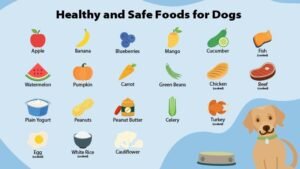
The best food to give your dog is a nutritionally balanced, age-appropriate commercial diet that meets the standards set by the Association of American Feed Control Officials. You should prioritize formulas that list a high-quality animal protein as the first ingredient and avoid products that use vague terms like “meat meal” without specifying the animal source.
Best food to give your dog
- Look for an AAFCO statement on the label confirming the food is complete and balanced for your dog’s specific life stage.
- Select kibble or canned food based on your dog’s current weight, activity level, and age to prevent obesity or nutrient deficiencies.
- Check the ingredient list for named proteins like chicken, beef, or salmon rather than generic animal derivatives.
- Avoid foods with excessive fillers like corn or soy if your dog has a known grain sensitivity or digestive issues.
- Consult your veterinarian before switching diets, especially if your dog has existing health conditions or chronic allergies.
- Monitor your dog’s weight and coat condition over four to six weeks to ensure the chosen food supports their health.
Why Quality Matters
High-quality food provides the essential nutrients required for long-term health. Always check the packaging for the AAFCO adequacy statement, as this is the primary way to verify the nutritional integrity of the food you buy.
When the Answer is Different
| Situation | What changes | What to do instead |
|---|---|---|
| Puppy | Higher caloric needs | Buy specific puppy formula |
| Senior | Lower metabolism | Choose weight management diet |
| Allergy | Protein source | Use limited ingredient food |
| Obesity | Calorie restriction | Measure portions exactly |
| Pregnancy | Energy density | Use high-performance food |
How to Feed Properly
- Determine your dog’s daily caloric needs by checking the feeding guide on the bag, which is based on your dog’s weight.
- Weigh your dog’s food using a kitchen scale rather than a measuring cup to ensure accuracy, as measuring cups can be imprecise.
- Divide the total daily amount into two equal meals to help digestion and keep your dog satisfied throughout the entire day.
- Add a small amount of warm water or low-sodium broth to dry kibble if your dog is a slow eater or needs extra hydration.
- Store dry food in an airtight container in a cool, dry place to prevent the fats from going rancid or attracting unwanted pests.
- Observe your dog after eating to ensure they don’t exhibit bloating or discomfort, which can happen if they eat too quickly.
The Mistakes That Ruin It
- Feeding human table scraps often leads to dangerous weight gain and can cause life-threatening pancreatitis in sensitive dogs.
- Switching food brands abruptly causes severe stomach upset, so always mix the new food with the old over seven days.
- Ignoring the serving size on the label leads to obesity, which shortens a dog’s lifespan and stresses their joints.
- Leaving food out all day allows for grazing, making it impossible to track exactly how much your dog consumes.
How much should I feed my dog daily?
Feed your dog based on the specific caloric density of the product and their target weight, usually found in the feeding chart on the back of the package.
Is grain-free food better for dogs?
No, grain-free food is only necessary for dogs with a medically diagnosed grain allergy, and it offers no proven health benefits for the average healthy dog.
Can I feed my dog raw meat?
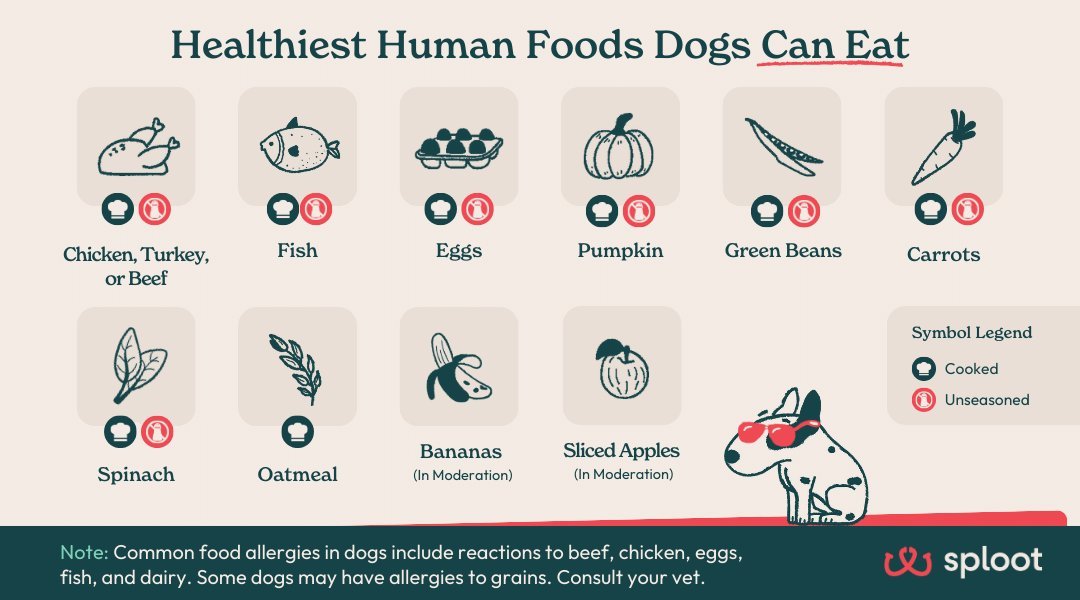
No, raw meat carries a high risk of bacterial contamination like Salmonella, which can pose a serious health threat to both your dog and your family.
How do I know if the food is high quality?
Look for a named protein as the first ingredient and an AAFCO nutritional adequacy statement that confirms the food has passed strict feeding trials.
Does wet food cause dental issues?
No, wet food doesn’t cause dental disease, but it lacks the mechanical cleaning action of dry kibble, so consider daily brushing for oral hygiene.
What should I do if my dog refuses to eat?
If your dog skips one meal, monitor them for 24 hours, but if they refuse food for longer or show lethargy, contact your veterinarian immediately.
Proper nutrition is the foundation of your dog’s health, so stay consistent with your chosen diet once you see positive results in their energy and coat. If you ever notice sudden changes in your dog’s appetite or digestion, consult your local veterinarian to rule out underlying health issues before making any drastic dietary changes.