
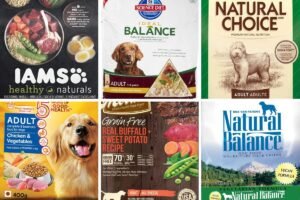
Most dog food contains a combination of protein, carbohydrates, fats, vitamins, and minerals to meet the nutritional needs of your pet. This balance varies based on the specific recipe, life stage, and brand you buy.
Essential Nutrients in Pet Food
- Proteins: These come from meat, poultry, or fish and provide essential amino acids for muscle growth.
- Carbohydrates: Grains like corn, wheat, or rice, and vegetables like peas, supply energy for daily activity.
- Fats: Animal or plant-based oils support skin health and coat shine while providing concentrated calories.
- Vitamins: Added nutrients like A, D, E, and B-complex ensure proper immune function and metabolism.
- Minerals: Calcium, phosphorus, and zinc are included to maintain strong bones and healthy teeth.
- Fiber: Ingredients like beet pulp or cellulose help your dog maintain regular digestion and gut health.
Why Ingredients Vary by Recipe
The specific nutrients in a bag of food are determined by the manufacturer’s goal for that product. Different formulas target specific needs, such as growth for puppies, weight management for older dogs, or sensitive stomachs for those with allergies. The Association of American Feed Control Officials establishes model regulations and nutritional standards that states may adopt, though it doesn’t regulate or certify pet food products.
Manufacturers balance these ingredients based on the life stage of the animal. If your dog is a high-energy working breed, the food will have a higher fat and protein content. If your dog is a senior with lower activity levels, the recipe will likely have fewer calories to prevent weight gain. You should always read the ingredient list on the back of the package, as the order of ingredients reflects their weight before processing. If a specific source of meat isn’t listed first, the food may rely more heavily on plant-based fillers or grains.
When the Answer is Different
| Situation | What changes | What to do instead |
|---|---|---|
| Puppy food | Higher protein levels | Buy growth-specific formulas |
| Senior food | Lower caloric density | Choose weight-management recipes |
| Grain-free diet | No wheat or corn | Look for potato or legume |
| Raw diets | Uncooked meat components | Follow strict hygiene rules |
| Prescription diets | Specific therapeutic additives | Use only per vet advice |
How to Know What Is in My Dog Food
- Read the first three ingredients on the label to identify the primary sources of protein and energy.
- Check for a statement indicating the food is formulated for your dog’s specific life stage and age.
- Look for specific meat names like “chicken” or “beef” rather than generic terms like “meat meal” or “by-products.”
- Confirm the presence of essential fatty acids, such as Omega-3 or Omega-6, listed in the guaranteed analysis section.
- Check the expiration date on the bag to ensure the vitamins and preservatives are still within their effective range.
- Store the food in an airtight container once opened to prevent the fats from going rancid over time.
- Monitor your dog’s weight and coat condition to see if the chosen formula provides the right energy balance.
Common Mistakes That Ruin Nutrition
- Adding human table scraps to the bowl can disrupt the nutrient balance and lead to obesity.
- Buying food based on price alone often means choosing products with lower-quality protein and more fillers.
- Ignoring the serving size guidelines on the package causes many dogs to consume more calories than they need.
- Switching food brands abruptly can trigger digestive upset, as the gut needs time to adjust to new ingredients.
Frequently Asked Questions
Is it safe to feed my dog grain?
Yes, grains are safe for most dogs and provide a highly digestible source of energy. Unless your veterinarian has diagnosed a specific grain allergy, there’s no medical reason to avoid ingredients like rice, oats, or corn in a balanced diet.
What are meat by-products?
Meat by-products are clean parts of slaughtered animals, such as livers, kidneys, and lungs, that aren’t traditional muscle meat. These parts are often more nutrient-dense than muscle meat and provide essential vitamins and minerals that dogs need for long-term health.
How long does dry food stay fresh?
Dry food generally stays fresh for four to six weeks after opening if stored in a cool, dry place. Always keep the bag tightly sealed or move the contents to an airtight bin to prevent oxidation and moisture from affecting the food quality.
Do dogs need a raw food diet?
No, dogs don’t require a raw food diet to be healthy. Commercial dry or wet foods are formulated to provide complete nutrition, whereas raw diets carry a higher risk of bacterial contamination for both the dog and the people handling the food.
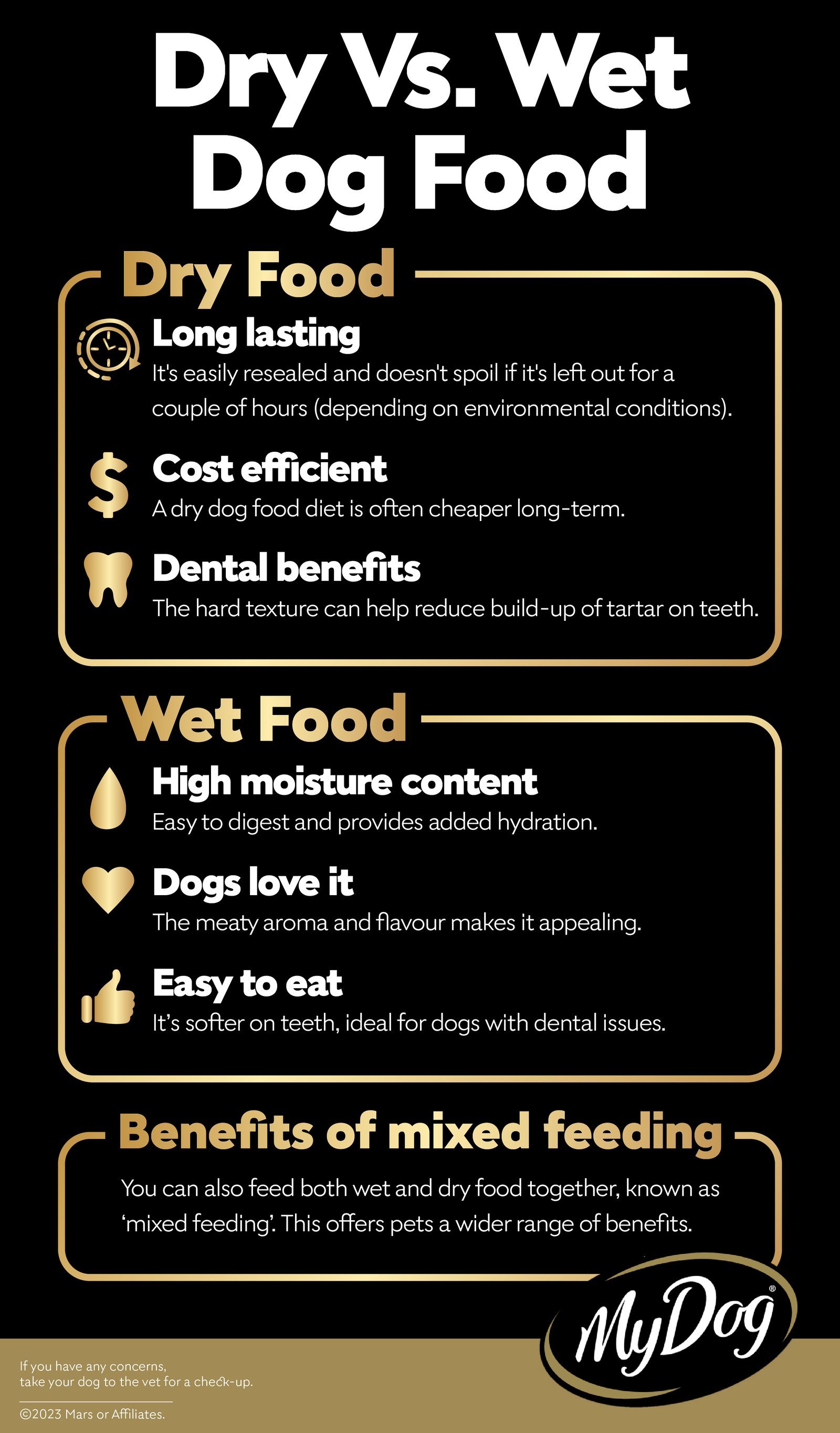
Can I mix dry and wet food?
Yes, you can mix dry and wet food as long as you account for the total calories in both. Many owners do this to add variety or moisture to the diet, but you must ensure you don’t exceed the daily caloric needs.
What should I look for in the guaranteed analysis?
Look for the minimum percentages of crude protein and crude fat that align with your dog’s activity level. This section of the label provides the minimum or maximum percentages of nutrients, allowing you to compare the guaranteed levels across different brands.
Why is the first ingredient important?
The first ingredient is the largest portion of the food by weight before cooking. A high-quality food should list a specific animal protein source first to ensure your dog receives necessary amino acids.
Dog food, in short
Reading the ingredient label carefully is the best way to ensure your companion stays healthy and happy. If you’re ever unsure about a particular brand, don’t hesitate to ask your veterinarian for a recommendation. They’ll help you pick a high-quality option that’s perfectly suited for your dog’s unique needs.