
The best dog food to feed is a high-quality, nutritionally balanced diet that meets the specific life stage requirements of your pet. You should prioritize products that follow the nutritional adequacy standards set by the Association of American Pet Food Control Officials to ensure your dog receives the correct balance of vitamins, minerals, and proteins.
Understanding nutritional needs
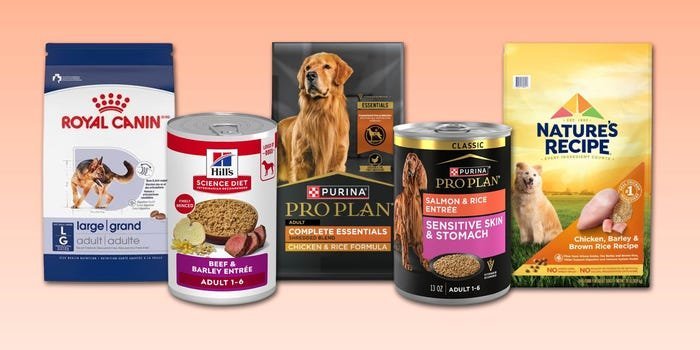
The most important factor in choosing a diet is your dog’s current life stage and health status. Puppies have different energy requirements than senior dogs, and a diet meant for one won’t support the other properly. A common mistake is buying food based on marketing claims like “natural” or “grain-free” rather than checking the nutritional adequacy statement on the bag. These labels often hide the fact that the food may lack the specific nutrients your dog needs to thrive.
What is the best dog food to feed your pet
- Check the label for a statement of nutritional adequacy that confirms the food meets the needs for growth, maintenance, or all life stages.
- Select a formula designed for your dog’s specific size, as large-breed puppies require different calcium-to-phosphorus ratios to prevent rapid bone growth.
- Consult your veterinarian if your dog has known allergies or sensitivities, as they can recommend a prescription diet or a specific limited-ingredient formula.
- Transition your dog to the new food gradually over seven to ten days by mixing increasing amounts of the new food into the old to prevent digestive upset.
- Store the food in a cool, dry place inside its original packaging to keep the oils and fats from becoming rancid or losing their nutritional value.
Tip: Never add human supplements or extra vitamins to a balanced commercial diet unless your veterinarian tells you to, as this can cause dangerous nutrient imbalances.
Timeframes for dietary changes
| Change Type | Expected Time | What changes it | What to watch for |
|---|---|---|---|
| Gradual transition | 7–10 days | Digestive sensitivity | Loose stools or gas |
If your dog experiences persistent vomiting or diarrhea during a transition, stop the switch immediately and contact your veterinarian to rule out a food intolerance.
How to assess physical condition
You can judge if the current food is working by monitoring your dog’s body condition score. A healthy dog should have a visible waist when viewed from above and a tucked abdomen when viewed from the side. You should be able to feel, but not see, their ribs under a thin layer of fat. If your dog is gaining weight, you’re likely feeding too much for their current activity level; if they’re losing weight or appear lethargic, the food may not be providing enough calories. Always check the feeding guide on the bag as a starting point, but adjust based on your dog’s individual metabolism.
Common feeding mistakes
- Overfeeding based on assumptions: Many owners feed the amount recommended for a dog’s maximum potential weight rather than their actual current weight. Check the chart on the bag and use a standard measuring cup to ensure you aren’t adding extra calories that lead to obesity.
- Ignoring the transition period: Switching foods too quickly leads to vomiting and diarrhea because the gut bacteria can’t adapt to the new protein or fat sources instantly. Always take at least a full week to swap over to a new brand or formula to protect your dog’s digestive health.
- Treating as a full meal: Giving too many table scraps or high-calorie treats ruins the nutritional balance of the main diet. Limit treats to no more than ten percent of your dog’s total daily caloric intake to keep their primary diet effective.
Frequently asked questions
Can I feed my dog human food?
No, you shouldn’t replace your dog’s balanced diet with human food because it rarely provides the correct nutrient ratios and can lead to severe deficiencies. While some plain vegetables are safe, human meals often contain onions, garlic, or xylitol, which are highly toxic to dogs even in small amounts.
How long does a bag of food stay fresh?
Always seal the bag tightly to prevent moisture and pests, and check the “best by” date on the packaging before purchasing to ensure you have enough time to use it.
Why is my dog refusing to eat?
If your dog suddenly stops eating, it may indicate a dental issue, a digestive blockage, or an underlying illness that requires medical attention. If the refusal lasts longer than twenty-four hours, or if your dog shows signs of lethargy or vomiting, consult your veterinarian to determine the cause of the appetite loss.
Is grain-free food better for dogs?
No, there’s no scientific evidence that grain-free diets are superior for the average dog unless they have a specific, medically diagnosed allergy to grains. Most dogs digest grains easily, and many grain-free diets rely on legumes that may not be appropriate for every dog’s heart health.
How often should I feed my dog?
Most adult dogs thrive on two meals per day, while puppies usually require three to four meals to support their rapid growth. You should check the manufacturer’s feeding guide for the specific caloric density of your chosen food, as this dictates the exact amount to serve at each mealtime.
What is the best food for a puppy?
Choose a puppy food labeled for “growth” or “all life stages” to ensure your pet receives the essential protein and calcium required for healthy development. These formulas are specifically nutrient-dense to support a puppy’s rapid bone growth and high energy levels, whereas adult-maintenance diets lack these necessary components.
Dog food, in short
Choosing the right meal isn’t just about labels; it’s about watching your companion thrive. If you’re unsure where to start, don’t hesitate to schedule a quick chat with your veterinarian. They’ll help you tailor a plan that’s perfect for your pup’s health, ensuring they’ve got plenty of energy for years to come.