
The best dog food to feed dogs is a nutritionally complete diet that meets the standards set by the Association of American Feed Control Officials. You should prioritize products that include a statement on the label confirming they have undergone feeding trials to ensure long-term health and safety for your pet.
What food to feed your dog
Photo: www.nbcnews.com on Google
The most important factor in choosing food is the nutritional balance provided for your specific dog’s life stage. A common mistake is selecting food based on marketing claims or ingredient lists without verifying the nutritional adequacy statement. This often results in pets missing essential vitamins or minerals needed for their size and age.
If your dog is a puppy, don’t feed them adult formulas, as these lack the higher protein and fat levels required for growth. If your dog is a senior, avoid high-calorie foods that can lead to obesity and joint strain.
Selecting the right diet
- Check the label for a statement from the Association of American Feed Control Officials (AAFCO) ensuring the food is complete and balanced.
- Select a formula labeled for your dog’s specific life stage, such as “growth,” “adult maintenance,” or “all life stages.”
- Inspect the ingredient list to ensure a high-quality protein source like chicken, beef, or fish is listed as the first ingredient.
- Consult your veterinarian before choosing specialized diets, such as grain-free or raw food, as these may not be suitable for every dog. Tip: Avoid switching foods abruptly; mix the old and new food over seven days to prevent digestive upset.
- Store dry kibble in an airtight container in a cool, dry place to prevent mold and bacterial growth. Tip: Follow FoodSafety.gov’s safe handling guidance when managing any raw meat components if you choose to prepare homemade meals.
Timeframes for dietary transitions
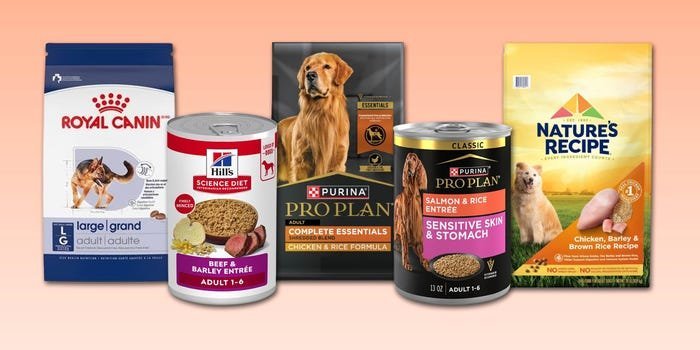
Feeding schedules and transitions should be gradual to maintain a stable digestive system.
| Situation | How long | What changes it | What to watch for |
|---|---|---|---|
| Normal transition | 7 days | Dog’s age | Loose stools |
| Sensitive stomach | 14 days | Previous health | Vomiting |
| Puppy growth | Lifetime | Activity level | Weight gain |
| Senior maintenance | Gradual | Metabolism | Energy levels |
If your dog displays signs of discomfort like diarrhea or lethargy for more than 48 hours, stop the transition and contact your local veterinary clinic for professional advice.
Monitoring your dog’s health
You can tell if a food is working by observing your dog’s physical condition and energy. A healthy dog has a shiny coat, clear eyes, and consistent energy levels throughout the day. If the ribs are easily felt but not visible, the dog is likely at a healthy weight. If you notice dull fur, excessive shedding, or sudden weight changes, the food may not be providing the right balance of nutrients. Always use a standard measuring cup rather than guessing amounts to ensure you’re feeding the correct daily calorie intake for your dog’s specific weight.
Common feeding mistakes
Photo: reallywildbusiness.com on Google
- Overfeeding portions: Giving too much food leads to obesity, which significantly shortens a dog’s lifespan and causes joint pain. Always follow the feeding guidelines on the package as a starting point and adjust based on your dog’s activity.
- Ignoring life stages: Feeding puppy food to an adult dog causes excessive weight gain, while feeding adult food to a puppy can stunt their physical development. Match the food strictly to the age and size category listed on the bag.
- Frequent variety changes: Switching brands too often causes unnecessary stress on the digestive tract and makes it hard to identify if a specific food is causing an allergy. Choose one high-quality, balanced brand and stick to it unless your veterinarian advises a change.
How do I know if the food is high quality?
Look for a nutritional adequacy statement on the packaging from the AAFCO. This confirms the food has been tested or formulated to provide all necessary nutrients in the correct proportions for a dog’s life stage.
Can I feed my dog human food?
Yes, but only in moderation and never as a primary diet. Most human food isn’t balanced for canine needs and some items, like onions, garlic, and chocolate, are toxic to dogs.
How much should I feed my dog?
The amount depends on your dog’s weight, age, and activity level. Start by following the chart on the food bag, then check your dog’s body condition regularly to see if you need to adjust the portion up or down.
Is grain-free food better?
No, grain-free food isn’t proven to be healthier for the average dog. Unless your dog has a medically diagnosed allergy to specific grains, there’s no nutritional benefit to avoiding them.
How often should I feed an adult dog?
Most adult dogs thrive on two meals per day. This schedule helps regulate their blood sugar and keeps their energy consistent throughout the day.
What if my dog refuses to eat?
If your dog skips one meal, it’s usually not a concern, but if they refuse food for more than 24 hours, take them to a vet. A sudden loss of appetite can indicate an underlying illness or dental pain.
How long does a bag of dry food last?
Dry food remains fresh for about four to six weeks after opening if stored in a cool, dry place. Keep the food in its original bag inside a sealed container to keep it fresh and prevent it from going rancid.
Dog food, in short
Choosing the right meal isn’t just about labels; it’s about watching how your companion thrives every day. If you’re still unsure, don’t hesitate to book a quick checkup with your vet. They’ll help you tailor a plan that’s perfect for your dog’s unique needs, ensuring they stay happy for years.