
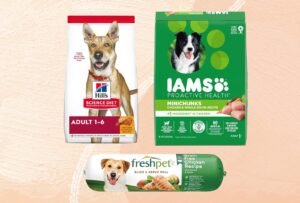
Choosing the healthiest dog food depends on selecting a complete, balanced diet tailored to your pet’s specific life stage, body condition, and health requirements. Always verify that the packaging includes a nutritional adequacy statement from the Association of American Feed Control Officials.
Choosing the healthiest food for your dog
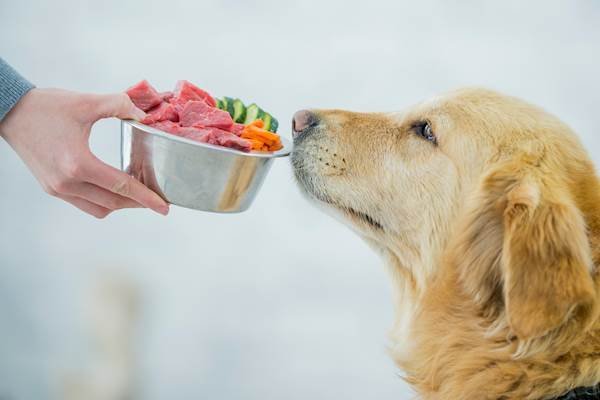
A healthy diet provides all essential amino acids, fatty acids, vitamins, and minerals without excess calories. Every dog has unique metabolic needs, but the basic standards for safe nutrition stay consistent across all commercial diets.
- Check for the phrase “formulated to meet the nutritional levels established by the AAFCO Dog Food Nutrient Profiles” on the bag.
- Choose a formula explicitly labeled for your dog’s current stage: puppy, adult maintenance, or senior.
- Look for an identified whole meat or named meat meal, such as chicken or lamb, as the first ingredient.
- Pick dry kibble for dental support and lower cost, or wet food to help pets who need extra moisture.
- Calculate daily portions by your pet’s target weight rather than letting them feed freely throughout the day.
- Check your dog’s ribs every two weeks; you should easily feel them under a light layer of fat without pressing hard.
Why complete nutrition matters for dogs
Healthy food gives a dog the exact chemical building blocks needed for cellular repair, immune defense, and organ function. Dogs are facultative carnivores capable of digesting carbohydrates, proteins, and fats. They don’t thrive on pure meat diets because skeletal muscle alone lacks sufficient calcium, trace minerals, and essential fat-soluble vitamins. Commercial foods solve this through precise nutrient ratios that prevent severe deficiencies.
When a recipe lacks essential balance, the damage often remains invisible until secondary complications arise. A long-term lack of dietary taurine or improper nutrient absorption, for instance, can lead to serious heart problems. The FDA investigation into potential DCM connections highlighted how non-traditional diets heavy in peas, lentils, or exotic meats can sometimes correlate with canine dilated cardiomyopathy. A truly healthy food relies on extensive nutritional feeding trials rather than marketing trends. Whole grains like brown rice, oatmeal, and barley supply usable fiber and steady energy without stressing the pancreas or kidneys.
When standard dog food is wrong
A standard maintenance kibble works well for a healthy adult pet, but medical conditions and rapid growth periods demand different nutritional profiles. Changing the recipe prevents organ strain and manages chronic symptoms.
| Situation | What changes | What to do instead |
|---|---|---|
| Chronic kidney disease | Phosphorus and protein waste strain damaged nephrons | Switch to a renal prescription diet with low phosphorus |
| Pancreatitis history | High dietary fat triggers painful pancreatic inflammation | Feed a low-fat gastrointestinal diet under 10% fat |
| Large breed puppy | Rapid skeletal growth causes developmental joint diseases | Feed large-breed growth food with controlled calcium |
| Food allergy flare-ups | Immune system reacts to standard proteins like chicken | Use a hydrolyzed protein diet or novel single source |
| Severe obesity | Excess calories stress heart, lungs, and joints | Feed high-fiber, low-calorie metabolic management kibble |
| Congestive heart failure | Sodium retention increases fluid buildup around organs | Choose a cardiac-formulated food with strictly limited sodium |
How to switch your dog’s food properly
Sudden changes in diet disrupt the intestinal microbiome, leading to loose stools, vomiting, and refusal to eat. Transitioning food slowly over a week gives the digestive tract time to adapt to new proteins and fiber sources.
- Measure your dog’s total daily portion using a standard eight-ounce measuring cup or a digital kitchen scale.
- Mix 25% of the new food with 75% of the old food for days 1 and 2.
- Observe your dog’s stool consistency on day 2; it should remain formed and firm before you increase the amount.
- Mix 50% of the new food with 50% of the old food for days 3 and 4.
- Offer 75% of the new food mixed with 25% of the old food during days 5 and 6.
- Feed 100% of the new diet on day 7, checking that your dog finishes the bowl without signs of stomach distress.
- Weigh your dog once every week for the first month to confirm the portion keeps their weight completely stable.
Dog feeding mistakes that cause harm
- Pouring unmeasured food into the bowl causes creeping weight gain and severe joint damage over time.
- Feeding raw meat exposes the household to dangerous bacterial pathogens like Salmonella, and this choice isn’t for homes with young children or immunocompromised individuals.
- Switching flavors every few days destroys healthy gut flora, triggering chronic diarrhea and finicky eating behaviors.
- Adding excessive human table scraps unbalances the food’s mineral ratios and often induces acute pancreatitis.
Frequently asked questions
Can dogs eat a grain-free diet safely?
Yes, but it’s rarely necessary unless your vet diagnoses a specific grain allergy. Most dogs digest cooked grains easily, and certain grain-free formulas using high amounts of legumes have been investigated for potential links to heart disease.
Why is raw food controversial for pets?
Raw diets carry high risks of bacterial contamination from Salmonella and Listeria, which can infect both dogs and human handlers. Most home-prepared raw meals also lack balanced levels of calcium, phosphorus, and essential micro-minerals.
How much should I feed my adult dog?
Feed the daily cup amount listed on the bag for your dog’s target weight, split into two separate meals. If your dog starts gaining excess fat around the ribs, reduce the total daily portion by 10%.
Is wet food better than dry kibble?
No, both options provide complete nutrition when formulated to meet basic nutritional standards. Wet food contains around 75% moisture, which helps hydration, while dry kibble is more affordable and easier to store without spoiling.
What happens if a dog eats cat food?
Eating cat food occasionally causes mild stomach upset, but prolonged feeding can damage a dog’s kidneys and pancreas. Cat food contains far higher fat and protein concentrations than a dog’s digestive system is designed to handle.
How long does an opened bag of kibble last?
Beyond this window, healthy fats begin to oxidize and essential vitamins degrade, potentially compromising the nutritional quality of the food.
Conclusion
Before you switch brands, it’s a good idea to chat with your veterinarian about your dog’s unique needs. They’ll help you spot high-quality ingredients and ensure your pup’s transition to a new diet goes smoothly. Your furry friend will surely appreciate the extra care you’re putting into their daily bowl.