
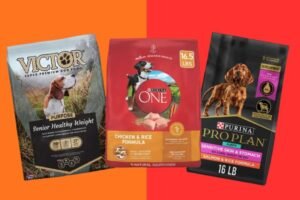
The healthiest diet for your pet is a complete and balanced formula that meets the nutritional standards set by the Association of American Feed Control Officials. Because there’s no single brand that fits every animal, you must choose the healthiest dog food for your pet based on its specific life stage and health needs.
The main factor that dictates success is your dog’s life stage. A puppy, an adult, and a senior have different energy and mineral requirements. The most common mistake people make is choosing food based on marketing labels like “natural” or “holistic” rather than checking the nutritional adequacy statement on the back of the bag. If the label doesn’t say the food is complete and balanced for a specific life stage, it may not provide the nutrition your pet needs to thrive long-term.
How to choose the healthiest food
- Check the bag for the AAFCO nutritional adequacy statement, which confirms the diet is complete and balanced for your pet’s specific life stage.
- Review the ingredient list to ensure a high-quality protein source, such as chicken, beef, or fish, is listed as the first ingredient.
- Consult your veterinarian about your dog’s body condition score to see if it needs a weight-management formula or a performance diet.
- Transition your dog to a new food slowly over 7 to 10 days by mixing increasing amounts of the new food with the old.
- Monitor your dog’s energy levels, coat quality, and stool consistency for 4 weeks to ensure the diet is a good match. Tip: If your dog experiences vomiting or diarrhea during a switch, slow the transition process down by extending it over 14 days.
Time required for dietary changes
Changing a dog’s diet requires patience to avoid digestive upset. This table shows the typical timeline for different types of dietary transitions.
| Situation | How long | What changes it | What to watch for |
|---|---|---|---|
| Standard switch | 7–10 days | Sensitivity level | Soft stools |
| Medical diet switch | 14+ days | Vet instructions | Appetite loss |
| Puppy to adult | 10–14 days | Growth rate | Weight gain |
If your dog shows signs of distress like lethargy or refusal to eat, contact your veterinarian immediately, as they may need to adjust the plan.
Signs your dog is thriving
You can tell if a food is working by observing your dog’s physical state. A healthy dog has a shiny coat, clear eyes, and firm, consistent stools. They should maintain a steady weight that allows you to feel their ribs without a thick layer of fat. If your dog is constantly hungry, lethargic, or has chronic skin irritation, the current diet might be lacking specific nutrients or causing a sensitivity. The single test that settles this is a physical exam by a vet, who can assess your dog’s body condition score and muscle mass.
Errors that compromise nutrition
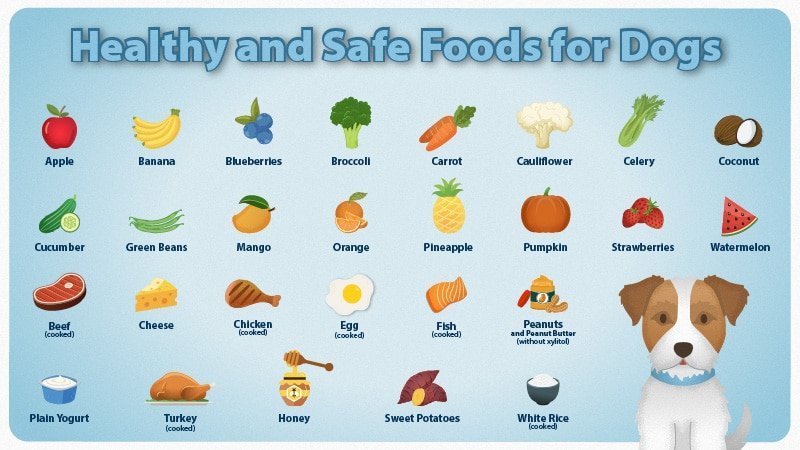
- Feeding human table scraps: Adding too much human food can create nutritional imbalances and lead to obesity. Keep treats and human food to less than 10% of your dog’s total daily caloric intake to ensure they eat enough of their balanced kibble.
- Ignoring calorie density: Many owners assume all brands are the same, but calorie counts vary widely between bags. Always follow the feeding guidelines on the specific package and use a kitchen scale to measure portions by weight rather than volume.
- Switching brands too often: Constant changes can cause gastrointestinal stress and make it impossible to identify which food works best. Stick to one high-quality, balanced diet for at least 3 months unless your veterinarian advises otherwise due to a health issue.
Frequently asked questions

Can I feed my dog a raw diet?
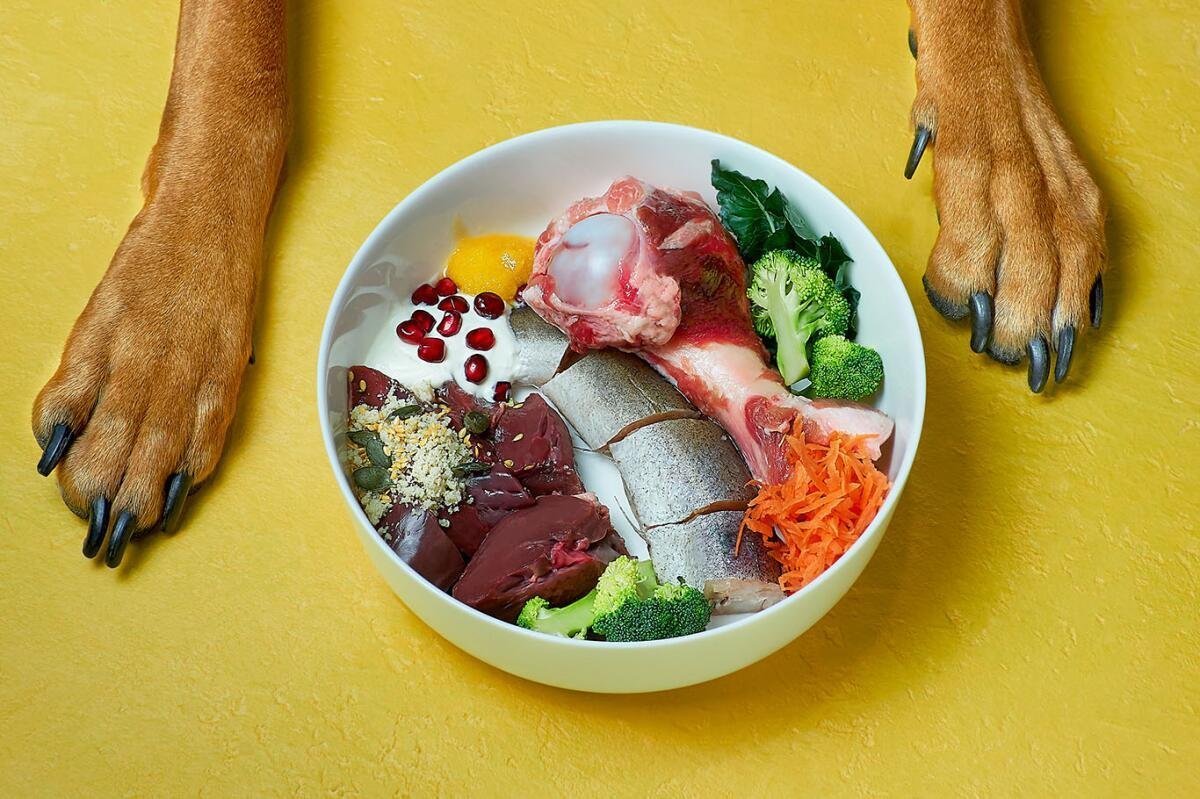
No, feeding raw food carries significant risks of bacterial contamination like Salmonella and Listeria for both the dog and the household. Veterinary organizations generally recommend cooked or processed diets that have been properly heat-treated to ensure safety and complete nutritional balance for your pet.
How do I know if my dog has a food allergy?
A dog with a true food allergy typically shows symptoms like chronic skin itching, ear infections, or recurring stomach upset. If you suspect an allergy, your veterinarian may suggest an elimination diet trial using a hydrolyzed protein or a novel protein source to identify the specific trigger.
Does grain-free food provide better health?
No, there’s no scientific evidence that grain-free diets are healthier for the average dog. Unless your veterinarian has diagnosed a specific grain allergy, high-quality commercial diets that include grains provide essential fiber and nutrients that support healthy digestion and heart function.
How often should I feed my dog?
Most adult dogs thrive on two meals per day, while puppies usually require three to four feedings to support their rapid growth. You should determine the total daily calorie amount based on your dog’s weight and activity level, then divide that number by the number of meals you plan to serve.
Is expensive food always healthier?
No, the price doesn’t always reflect the nutritional quality of the food. The best way to evaluate a brand is to look for the AAFCO statement and the company’s commitment to feeding trials, which ensure the food has been tested for safety and nutrient absorption in real dogs.
Conclusion
You should always prioritize consistency and consult your veterinarian before making significant changes to your dog’s diet. Every dog is an individual, and your vet remains the best resource for tailoring nutrition to your pet’s unique metabolic needs and health history.