
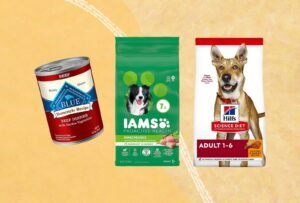
No single commercial brand can be considered the healthiest dog food, because the correct recipe depends on your pet’s life stage, adult weight, and medical history. The best option is any complete diet that matches official nutrition rules and fits your animal’s body condition score.
Essential nutrients for the healthiest dog food
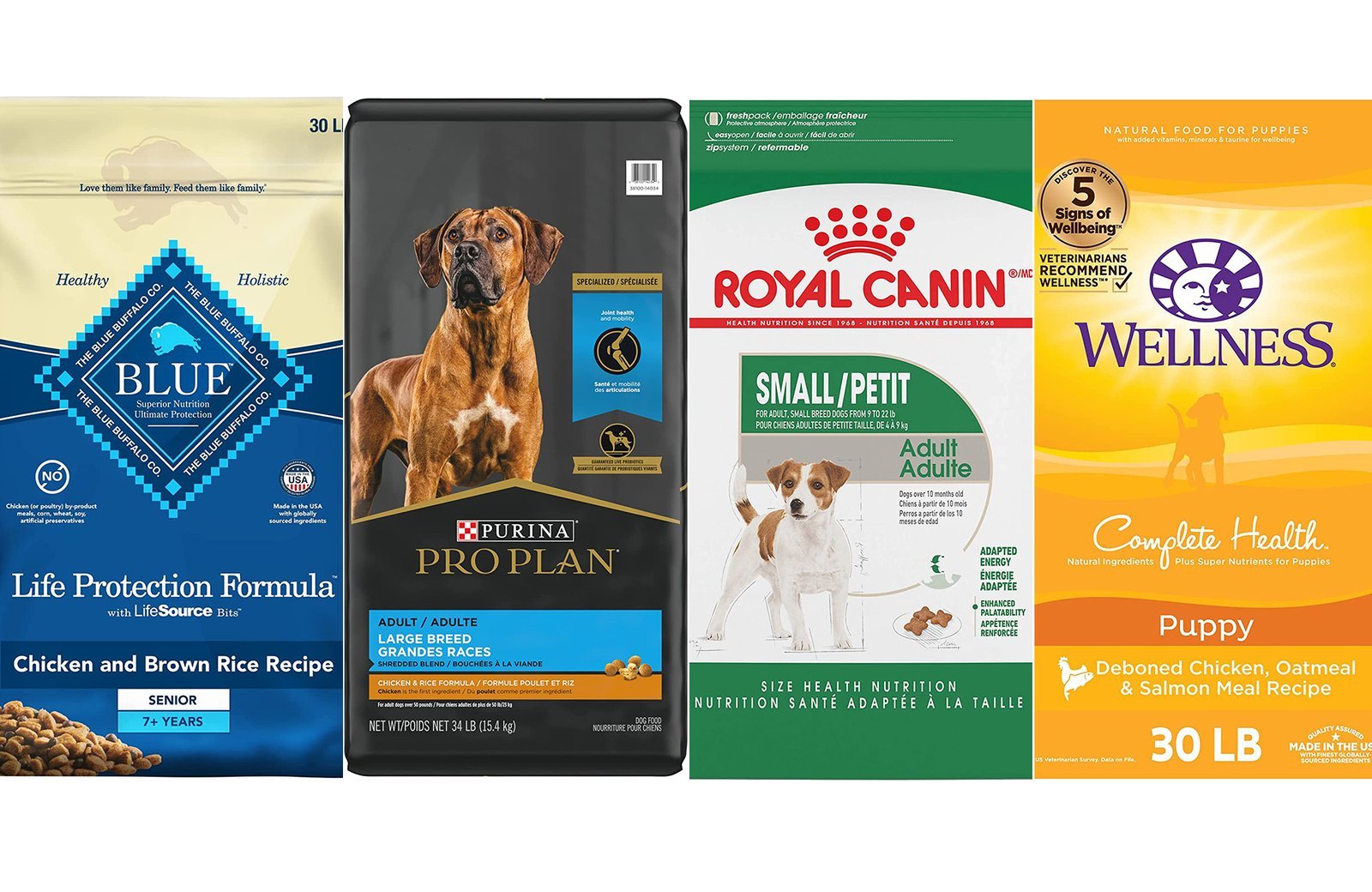
Picking the right meal means looking past front-bag marketing claims like “human grade” or “ancestral recipe.” A pet’s body needs exact amino acids, vitamins, and minerals rather than trendy ingredients. Use these verified points to judge any bag or can quickly.
- Look for an official nutritional adequacy statement showing the diet meets the nutrient profiles established by the Association of American Feed Control Officials (AAFCO).
- Choose food matched to exact life stages, because a large-breed puppy needs a specific calcium-to-phosphorus ratio (around 1:1 to 1.3:1) that adult formulas lack.
- Check that named animal proteins appear at the start of the ingredient panel, which indicates clear animal sourcing instead of mystery meats.
- Look for brands that employ full-time board-certified veterinary nutritionists to formulate their daily recipes.
- Use a decision rule: if your dog is healthy and lean, pick an AAFCO-compliant whole-grain kibble; if your dog has kidney or bladder trouble, pick a moisture-rich wet diet.
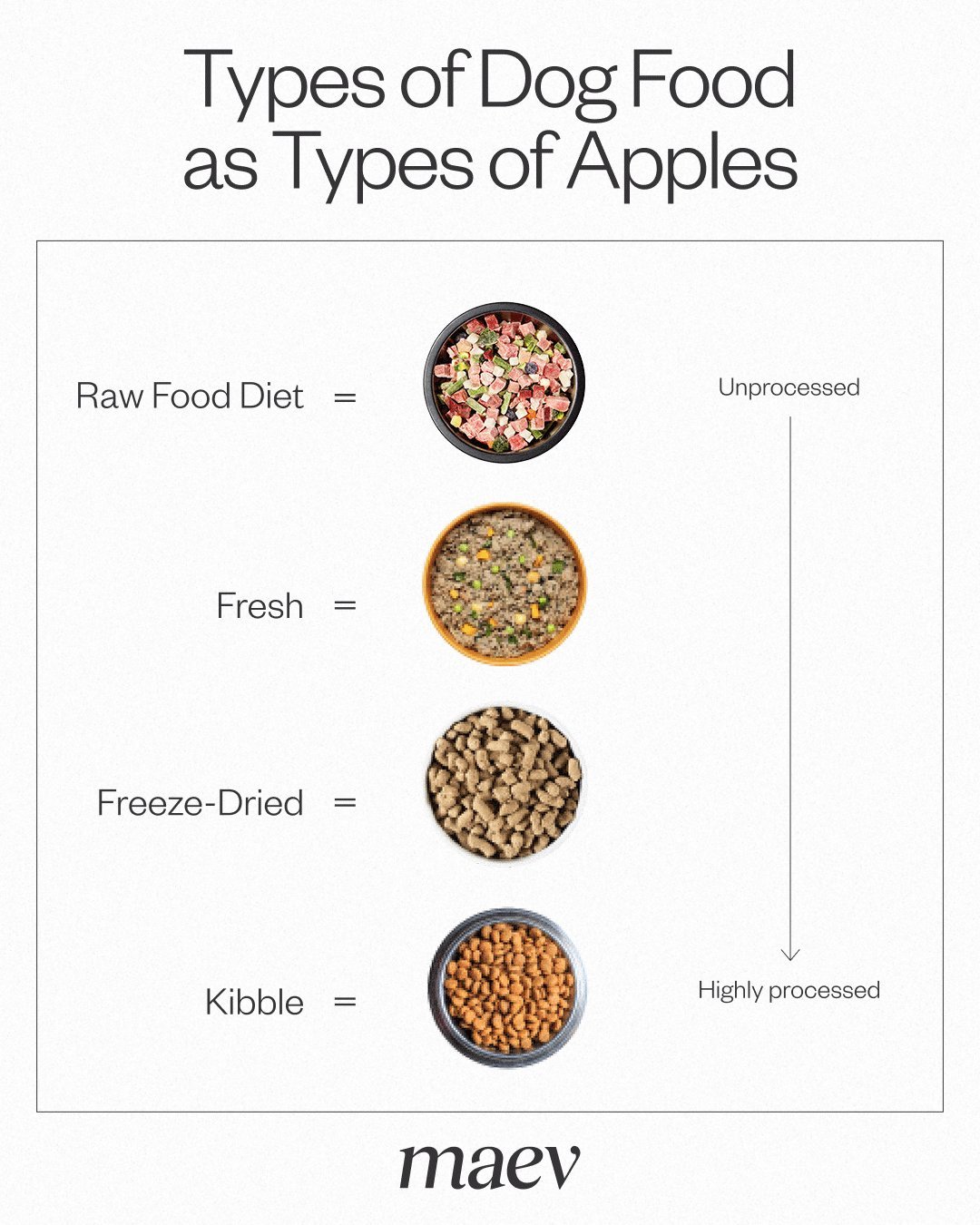
- Remember the trade-off: fresh-frozen subscription meals offer high moisture and palatability, but they cost up to four times more per calorie than standard dry kibble.
Why balanced nutrient profiles matter most
Dogs don’t require specific ingredients; they require specific nutrients that their digestive tracts can break down and absorb. A recipe built entirely from prime beef can still kill an animal over time if it lacks trace minerals like zinc or iodine.
Marketing terms like “grain-free” lack scientific backing. In fact, research monitored by the FDA investigation into diet-associated DCM showed a potential link between non-hereditary heart disease and diets high in peas, lentils, or potatoes. Removing grains often leads to high legume intake, which may interfere with taurine processing.
When standard dog food formulas fail
Standard adult maintenance kibble works well for an ordinary companion animal, but it fails whenever a pet develops special physiological needs.
| Situation | What changes | What to do instead |
|---|---|---|
| Chronic kidney disease | High phosphorus harms kidneys | Feed low-phosphorus prescription food |
| Growing large puppy | Bone growth outpaces joints | Feed large-breed growth formula |
| Pancreatitis history | High fats trigger inflammation | Switch to low-fat digestive diet |
| Confirmed food allergy | Immune system attacks protein | Feed novel or hydrolyzed protein |
| Senior joint stiffness | Cartilage wears down rapidly | Feed food with EPA and DHA |
| Severe obesity | Excess calories damage organs | Switch to high-fiber weight diet |
How to choose healthy dog food
Selecting a safe product requires checking the packaging details instead of relying on advertisements.
- Turn the bag around and locate the nutritional statement to confirm the food is nutritionally complete.
- Verify the formula matches your pet’s life stage, choosing growth profiles for puppies under twelve months and adult maintenance for mature dogs.
- Check that the first two ingredients name specific animal sources, such as deboned chicken or salmon meal, rather than generic meat derivatives.
- Read the guaranteed analysis box to ensure crude protein sits above 18% and crude fat sits above 5% on dry matter basis.
- Inspect the carbohydrate sources to ensure legumes like peas, lentils, or chickpeas don’t dominate the top five listed ingredients.
- Check the manufacturer’s website to verify they own their manufacturing plants and perform routine testing for Salmonella and mycotoxins before shipping.
- Weigh your dog’s daily ration on a gram scale rather than using a plastic measuring cup to maintain accurate caloric intake.
Common dog feeding mistakes
Small feeding errors cause health issues. Avoiding these habits protects your pet.
- Measuring meals with an uncalibrated plastic cup causes silent overfeeding, which leads to canine obesity and severe arthritis.
- Switching dry foods overnight without a gradual transition may cause digestive upset, including diarrhea and vomiting.
- Choosing raw meat diets without veterinary guidance exposes the household to dangerous pathogens like Salmonella and causes severe calcium deficiencies.
- Feeding table scraps alongside complete dog food unbalances the animal’s daily mineral intake and triggers painful bouts of acute pancreatitis.
Frequently asked questions
Is grain-free food better for dogs?
No, grain-free food isn’t naturally healthier for dogs unless a licensed veterinarian diagnoses a specific grain allergy. Most canine food allergies stem from animal proteins like chicken or beef, while grains supply useful fiber and easily digestible energy.
What dog food do vets recommend most?
Veterinarians usually recommend brands like Purina Pro Plan, Royal Canin, and Hill’s Science Diet. These manufacturers employ full-time veterinary nutritionists, run extensive feeding trials, and own their manufacturing facilities to maintain strict quality control standards.
How much food should a dog eat daily?
Feed between 2% and 3% of your adult dog’s ideal body weight daily when using standard dry kibble. Adjust this amount immediately if your pet begins gaining or losing rib coverage over a four-week span.
Is raw meat safe for family dogs?
No, raw meat carries documented bacterial risks including Salmonella, Listeria, and E. coli that can sicken pets and people. Raw bones also break teeth and can puncture stomach walls during digestion.
Does wet food cause dental disease?
No, wet food doesn’t directly cause gum disease, though it fails to scrape plaque away like textured dental kibble does. Regular toothbrushing with canine enzymatic toothpaste remains necessary regardless of whether you feed wet or dry food.
Can dogs live on a vegan diet?
Yes, dogs can survive on a vegan diet, but only if the formulation includes synthetic amino acids like taurine and L-carnitine. Formulating home-cooked vegan meals safely is nearly impossible without expert nutritional oversight.
Conclusion
This food guide isn’t for working sled dogs, lactating females, or pets recovering from major surgery. Those animals require specialized clinical feeding programs designed by a veterinarian. Keep your dog at a lean body weight, select a diet backed by real feeding trials, and check with your clinic whenever their digestion changes.