

The best non kibble dog food is a fresh-cooked or raw-frozen diet that meets the nutritional standards established by the AAFCO. Fresh options provide higher moisture content and fewer processed ingredients than dry pellets, which helps support better digestion and coat health for dogs of all life stages.
Choosing a diet without kibble requires a focus on balance rather than just raw ingredients. The most common mistake is feeding a “homemade” diet that lacks essential minerals, such as calcium or phosphorus, which leads to long-term health issues. If you choose to cook at home, you must follow a recipe formulated by a board-certified veterinary nutritionist. If you buy commercial fresh food, you must ensure the label explicitly states it is “complete and balanced” for your dog’s specific life stage.
What Is the Best Non Kibble Dog Food for Your Pet?
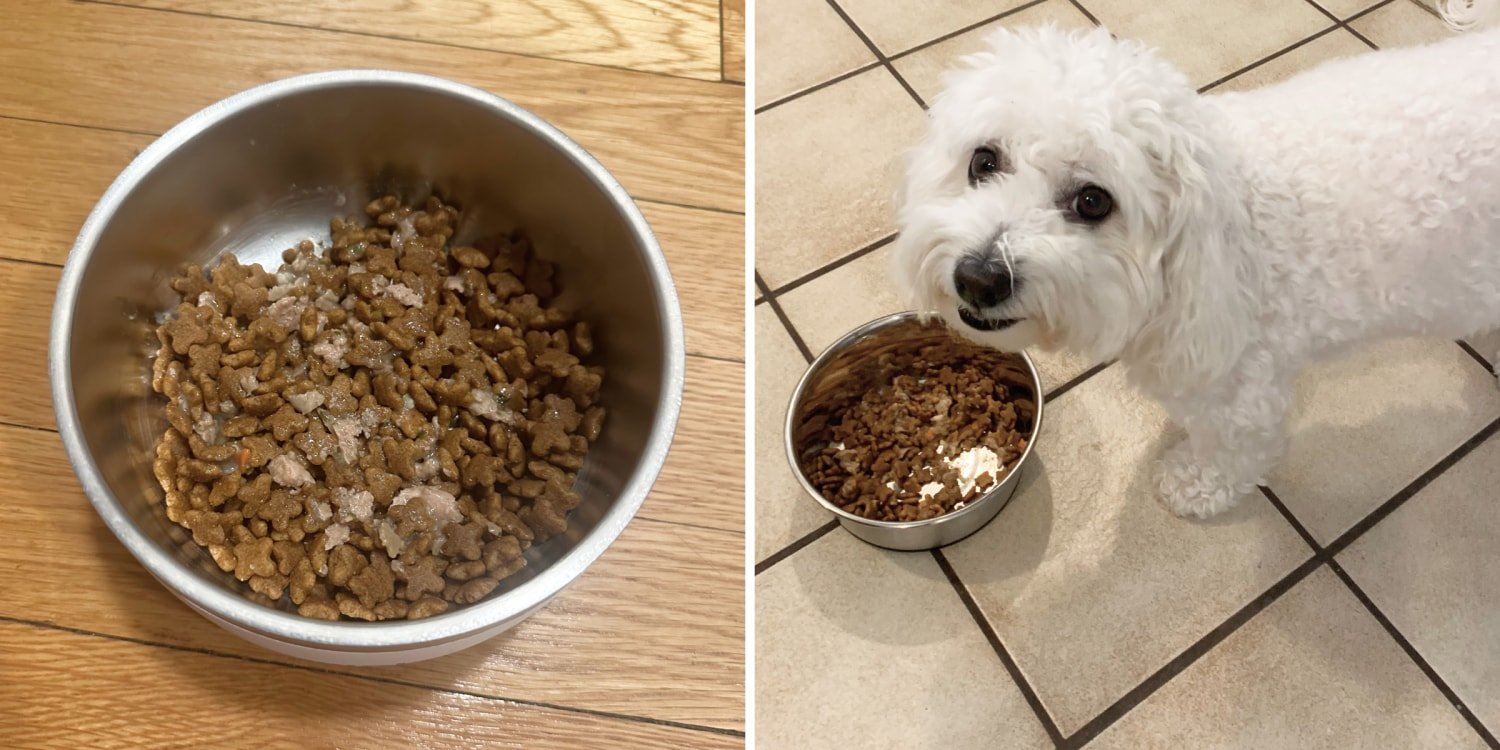
- Select a high-quality protein source like chicken, beef, or turkey that’s free from added salts or seasonings.
- Incorporate organ meats and bones or calcium supplements in the exact ratios required to prevent nutrient deficiencies.
- Add cooked vegetables like carrots, green beans, or sweet potatoes to provide necessary fiber and vitamins.
- Weigh each portion carefully according to your dog’s caloric needs; a 20-pound dog typically requires about 400 to 600 calories daily, but this varies by activity level.
- Consult the American Veterinary Medical Association regarding the safety risks of raw ingredients before deciding between raw or cooked methods.
- Store the food in airtight containers in the refrigerator for no more than three days, or freeze individual portions for up to three months.
Tip: Always transition to a new diet slowly over seven to ten days by mixing in small amounts of the new food to avoid stomach upset.
Factors Influencing Feeding Time
Feeding a fresh diet takes more time than scooping kibble because it requires careful preparation and storage management.
If your dog stops eating or shows signs of lethargy after a switch, return to their previous diet and consult a vet immediately.
Identifying Proper Nutrition
Photo: petfoodshop.com on Google
You can tell if a diet is successful by monitoring your dog’s energy levels, stool quality, and coat condition over a period of four to six weeks. A healthy dog on a proper non-kibble diet should maintain a steady weight and have firm, small stools. If you notice your dog losing weight, you’re likely underfeeding them; if they gain weight, they’re receiving too many calories. Always check the caloric density on the package, as this varies by brand and recipe—check the label. When in doubt, perform a “body condition score” check by feeling your dog’s ribs; you should be able to feel them easily without a heavy layer of fat.
Common Dietary Mistakes
- Ignoring the calcium-phosphorus ratio: Many owners add too much meat without balancing it with calcium, which causes serious bone and joint problems. Always use a measured calcium supplement if you aren’t feeding whole bones or a complete commercial mix.
- Adding toxic human foods: Ingredients like onions, garlic, grapes, and xylitol are highly toxic to dogs and can cause organ failure. Research every single ingredient before adding it to your dog’s bowl.
- Overestimating caloric needs: It’s easy to overfeed when using fresh food because it’s more palatable than kibble. Use a kitchen scale to measure portions precisely according to your veterinarian’s calorie recommendation for your dog’s current weight.
Frequently asked questions
Photo: petfoodshop.com on Google
Can I feed my dog human food instead of kibble?
Yes, you can feed your dog human food, provided it’s part of a diet balanced by a professional. Simply feeding “table scraps” creates dangerous nutritional imbalances and potential obesity, so follow a specific recipe that includes the right amount of proteins, fats, fibers, and essential vitamins for your dog.
How much does fresh dog food cost?
The cost varies widely based on whether you cook at home or buy a commercial plan, but it’s generally three to five times more expensive than kibble. A small dog might cost a modest amount per day, while a large dog can exceed a significant daily expense.
Is raw food safer than cooked food?
No, raw food carries a higher risk of bacterial contamination like Salmonella or Listeria, which can infect both your dog and your family. If you choose a raw diet, you must practice strict hygiene, including washing all surfaces and bowls with hot, soapy water after every single meal.
How long can fresh dog food stay in the fridge?
Freshly prepared food remains safe to eat for three days when stored in a refrigerator set at or below 40°F. If you cook a large batch, divide it into daily portions and store them in the freezer to maintain quality and safety for up to three months.
What happens if my dog gets sick after switching?
If your dog shows signs of vomiting or diarrhea, stop the new food immediately and contact your veterinarian to rule out food poisoning or an allergy. A sudden change in diet often causes temporary stomach upset, but persistent symptoms are a sign that the food doesn’t agree with them.
Is it safe to mix kibble and fresh food?
Yes, it’s safe to mix them, provided you reduce the amount of kibble to account for the calories in the fresh food. Most owners use this “topper” method to improve palatability and add moisture to the diet without the high cost of a fully fresh feeding plan.
Non kibble, in short
Feeding your dog a non-kibble diet requires a high level of commitment to ensure they receive all necessary nutrients. If you can’t guarantee a balanced, veterinarian-approved recipe, it’s safer to stick with high-quality commercial brands that meet international standards. Always prioritize your dog’s long-term health over the convenience of a quick meal.