
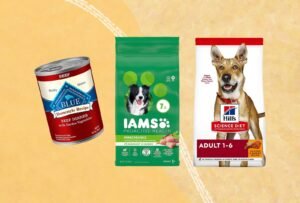
The best type of food for dogs is a nutritionally complete, commercially prepared diet that meets the standards set by the Association of American Feed Control Officials. Whether you choose wet or dry food, it must be formulated for your dog’s specific life stage.
Choosing the right type of dog food
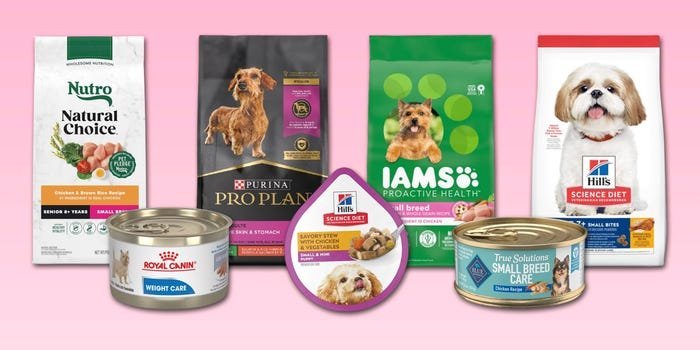
- Select food labeled “complete and balanced” to ensure your dog receives all necessary vitamins and minerals.
- Check the bag for a statement confirming the food meets AAFCO nutrient profiles for growth, maintenance, or all life stages.
- Measure portions using a standard kitchen scale or measuring cup to prevent obesity, which occurs when dogs consistently eat more calories than they burn.
- Transition to new food slowly over seven days by mixing increasing amounts of the new diet into the old one to prevent digestive upset.
- Store dry kibble in a cool, dry place in its original bag to maintain freshness and prevent fat oxidation.
Why balance matters for canine health
Commercial dog food is designed to provide a precise balance of proteins, fats, carbohydrates, vitamins, and minerals that a dog can’t easily get from home-cooked scraps alone. Scientists and nutritionists at pet food companies create these recipes to avoid the common errors of homemade diets, such as calcium-phosphorus imbalances or vitamin deficiencies. If you choose to cook for your dog, you must work with a veterinary nutritionist to avoid harming your pet’s long-term health. A balanced diet ensures that your dog’s organs, skin, and immune system function correctly throughout its life. Because every dog has a unique metabolism and activity level, you should monitor your pet’s body condition score. If your dog starts gaining weight, you should reduce the daily portion size slightly. If your dog remains thin or lacks energy, you may need a formula with a higher caloric density or protein content. Always check the manufacturer’s feeding guide on the label, as it serves as your baseline for daily intake.
Comparing different feeding situations
| Situation | What changes | What to do instead |
|---|---|---|
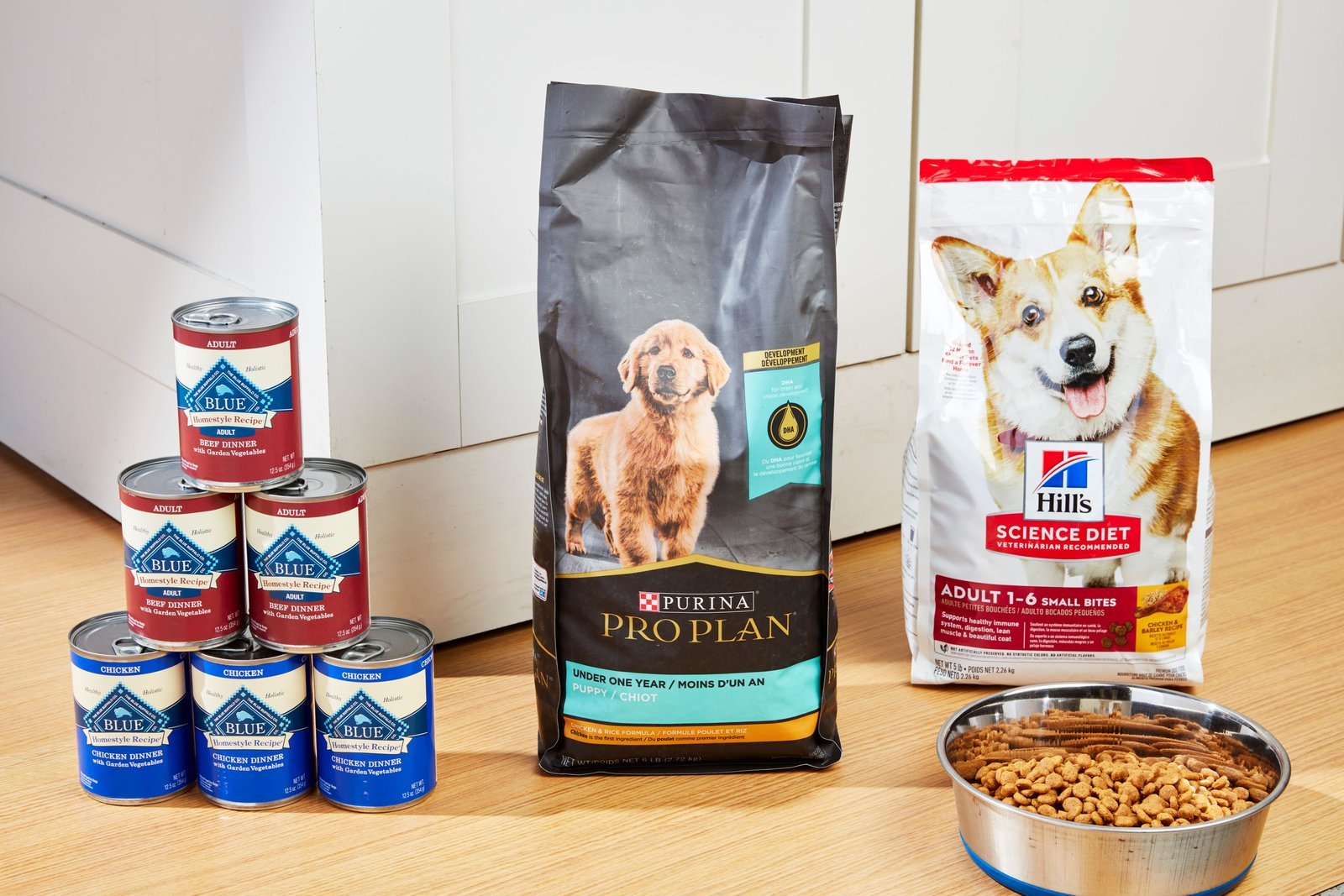
| Puppy growth | Calorie needs | Feed puppy-specific formulas |
| Senior dogs | Metabolic rate | Choose lower-calorie senior diets |
| High activity | Energy output | Use performance-grade working food |
| Food allergies | Protein source | Seek veterinarian-approved diets |
Feeding your dog correctly
- Read the feeding chart on the bag to find the amount suggested for your dog’s current weight and activity level.
- Use a standard measuring cup or a digital scale to ensure you provide the exact weight or volume recommended each day.
- Split the total daily amount into two equal meals to help with digestion and keep your dog satisfied throughout the day.
- Place the food in a clean, stainless steel or ceramic bowl to prevent bacteria buildup that occurs in scratched plastic bowls.
- Remove any uneaten wet food after 30 minutes to prevent spoilage and bacterial growth in the bowl between feeding times.
- Provide constant access to fresh, clean water in a separate bowl that you scrub with soap and water daily.
Common feeding mistakes
- Adding human table scraps leads to an unbalanced diet and often causes unwanted weight gain.
- Free-feeding by leaving a full bowl out all day makes it impossible to track exactly how much your dog consumes.
- Changing brands abruptly can cause digestive upset, such as diarrhea and vomiting.
- Ignoring the “best by” date results in rancid fats and lost nutrients, which makes the food less healthy and less appetizing.
Frequently asked questions
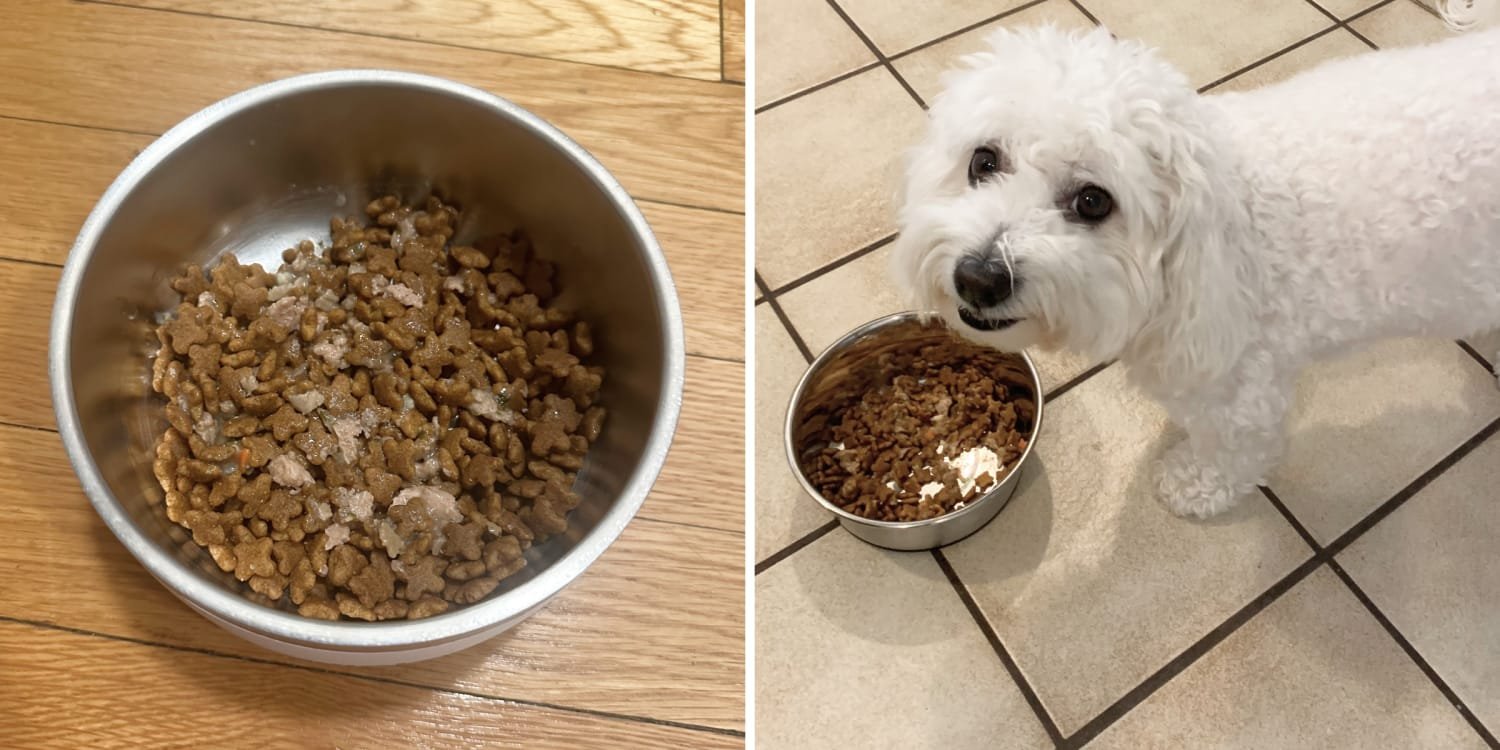
Is wet food better than dry food?
No, both provide complete nutrition if they’re labeled as balanced, though wet food has higher water content. Choose based on your dog’s preference and your budget, as both types support a healthy dog when fed in the correct daily amounts.
How much should I feed my dog?
Follow the weight-based guidelines on the packaging, then adjust the amount by five to ten percent if your dog gains or loses weight. Use a scale to ensure accuracy, as measuring cups vary significantly in size and accuracy between different brands.
Can dogs eat grain-free food?
Yes, dogs can eat grain-free food, but it isn’t necessary for most dogs unless they have a diagnosed allergy. If you have concerns about grain, consult your veterinarian to ensure the specific brand you pick has a safe, balanced formula.
What happens if I overfeed my dog?
Overfeeding leads to obesity, which puts extra stress on your dog’s joints and increases the risk of heart disease. If you notice your dog’s ribs are no longer easily felt under a light touch, reduce the daily portion size immediately.
How long can I keep opened wet food?
Keep opened wet food in the refrigerator for no more than three days in a sealed container. Always check the container for any signs of mold or an off smell before serving it to your dog, and discard it if you’re unsure.
Does my dog need supplements?
No, your dog doesn’t need extra supplements if you’re feeding a high-quality, balanced commercial diet. Adding supplements without a veterinary recommendation can create dangerous nutrient imbalances that harm your dog’s kidneys or liver over time.
Type food, in short
Selecting the right food comes down to reading the label and matching the calories to your dog’s activity. If your dog maintains a healthy weight and has a shiny coat, you have likely found a diet that works well for its needs.