
There’s no single healthiest dog food available because the best option depends on your dog’s age, weight, and specific health needs as determined by a veterinarian.
High-quality nutrition requires a balance of nutrients tailored to your pet’s life stage. If your dog is a puppy, they need more calories and calcium than an adult; if your dog is a senior, they often need lower calorie counts to prevent obesity.
What Is the Healthiest Dog Food Available to Choose?

- Consult your veterinarian to determine your dog’s caloric needs based on their current weight and activity level.
- Select a food that carries the AAFCO statement of nutritional adequacy on the label, which confirms it meets the requirements for your dog’s specific life stage.
- Transition your dog to the new food slowly over seven days by mixing increasing amounts of the new food with the old food to prevent digestive upset.
- Measure the daily portion using a standard measuring cup, as overfeeding is a leading cause of canine obesity.
- Monitor your dog’s body condition score regularly to ensure they aren’t gaining too much weight.
Tip: Always check the label for the feeding guide, but treat these amounts as starting points rather than strict rules, as individual metabolism varies.
Feeding Duration and Variations
Improvement time depends on current health and previous diet quality. Most dogs show changes within four to six weeks.
| Situation | Typical Adjustment Period | What Changes It | What to Watch For |
|---|---|---|---|
| Healthy Adult | 4–6 weeks | Activity levels | Weight gain or loss |
| Puppy Growth | Ongoing | Rapid growth spurts | Energy and stool quality |
| Senior Support | 6–8 weeks | Metabolism slowing | Joint mobility and weight |
If your dog refuses the food after two weeks, consult your vet to rule out underlying health issues.
Signs of Proper Nutrition
A healthy dog maintains a steady weight, a shiny coat, and firm stools. You should feel their ribs without seeing them, and they should maintain consistent energy.
Common Nutritional Errors
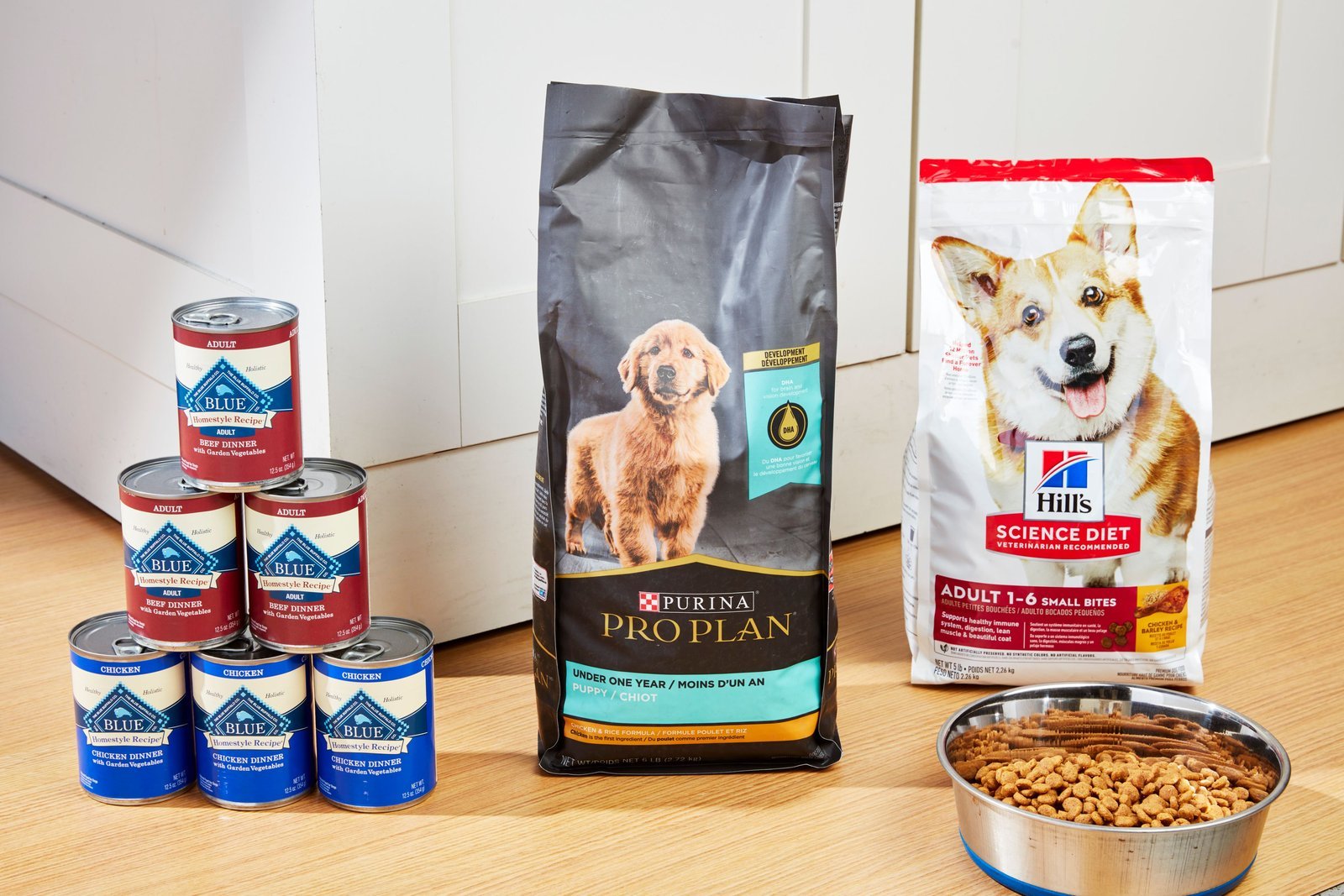
- Ignoring life stage labels: Feeding puppy food to a sedentary adult dog often leads to rapid weight gain and joint strain because of the higher calorie density. Choose the formula that matches your dog’s current age.
- Over-relying on treats: Giving too many extra calories through treats dilutes the nutritional balance of their main meal. Keep treats to less than ten percent of your dog’s total daily caloric intake.
- Frequent diet changes: Switching brands too often can cause gastrointestinal distress. Stick to a high-quality, balanced diet consistently unless your veterinarian recommends a change.
Can I feed my dog human food?
You can feed dogs small amounts of plain, cooked vegetables like carrots or green beans, but human food should never replace a balanced dog food.
Is grain-free food healthier?
No, grain-free food isn’t inherently healthier unless your dog has been diagnosed with a specific grain allergy by a veterinarian.
How do I know if a brand is high quality?
Look for the AAFCO nutritional adequacy statement on the label, which indicates the food has been tested to meet the minimum requirements for your dog’s specific life stage.
How much should I feed my dog?
Follow the packaging guide, then adjust portions based on your dog’s weight and activity to maintain a healthy body condition.
Is raw food safer than kibble?
No, raw food diets carry a higher risk of bacterial contamination for both the dog and the owner, and they’re difficult to balance correctly without professional veterinary oversight.
What if my dog is a picky eater?
If your dog refuses to eat, try warming the food or adding warm water, but check with a vet if they skip meals.
Choosing the right food is a long-term commitment to your dog’s well-being.
Healthiest dog, in short
Choosing the right bowl of food is a journey, not a quick fix. Since every pup’s body works differently, you shouldn’t feel pressured to pick the perfect brand today. Instead, schedule a chat with your vet next week to discuss your dog’s unique needs. They’ll help you find a plan that’s just right.