
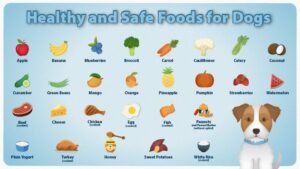
High-quality balanced commercial diets that meet AAFCO standards are the best food for dogs because these provide all required nutrients in the correct ratios for a healthy life.
Vital nutrition for canine health
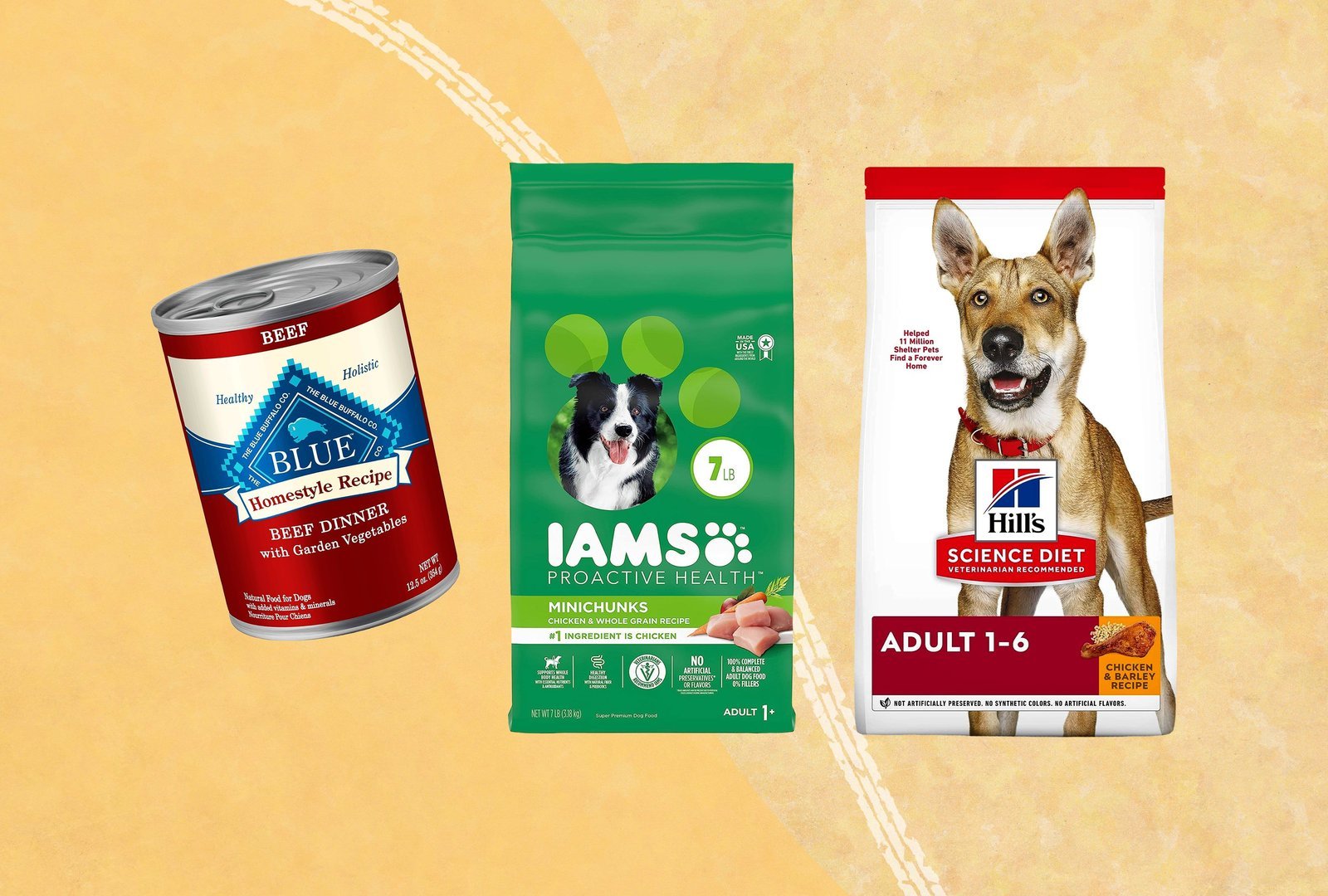
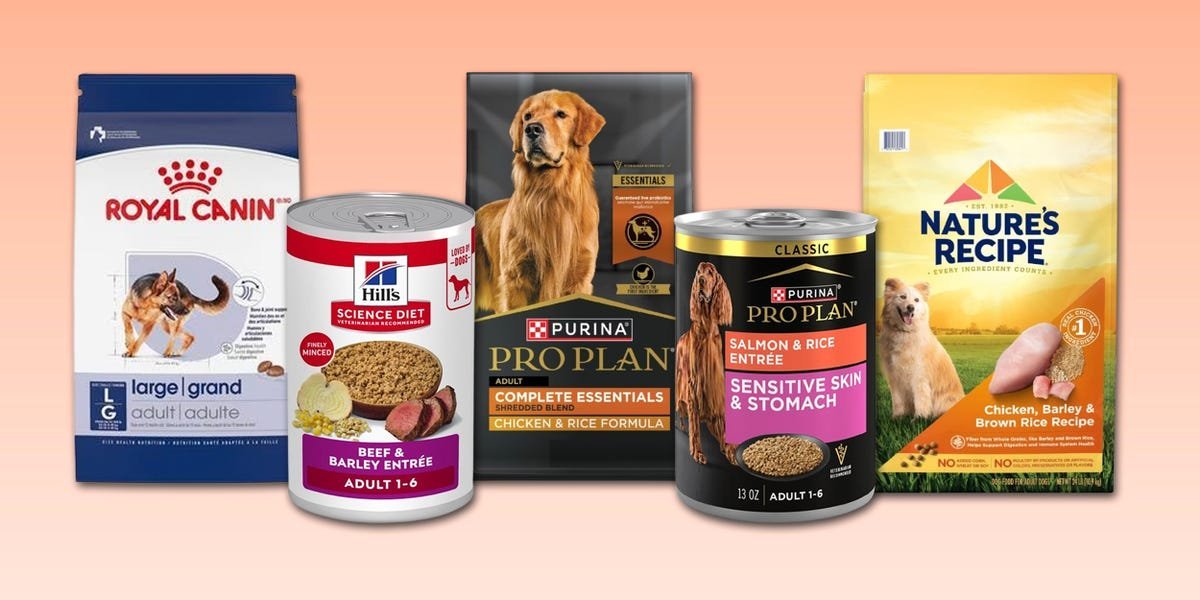
- Select recipes that list a high-quality animal protein, such as chicken or beef, as the first ingredient on the label.
- Check the packaging for a statement confirming the formula meets AAFCO nutrient profiles for your dog’s specific life stage.
- Avoid diets with excessive fillers like corn or soy if your dog has a sensitive digestive system or known allergies.
- Ensure the food provides healthy fats, such as omega-3 fatty acids, to support coat health and brain function.
- Look for clear expiration dates and batch numbers to ensure the product remains fresh and traceable in case of recalls.
- Transition to new food slowly over seven days by mixing increasing amounts of the new diet into the old one.
Why balanced nutrition matters
The primary goal of feeding your dog is to provide a precise balance of proteins, fats, vitamins, and minerals that support biological function. Dogs are omnivores that require a specific amino acid profile to maintain muscle mass and immune system health. When you choose a commercial diet formulated to meet established nutritional standards, you ensure the food contains enough taurine, calcium, and phosphorus. These levels are critical because a deficiency in any one area can lead to long-term health issues like heart disease or bone weakness. If you prefer to feed a homemade diet, you must work with a board-certified veterinary nutritionist to create a recipe that avoids dangerous nutrient gaps. Never guess the portion sizes for homemade meals, as even small imbalances in minerals can cause serious illness over time.
Factors that change dietary needs
| Condition | What changes | What to do instead |
|---|---|---|
| Puppy stage | Higher protein needs | Choose growth-specific formulas |
| Senior years | Lower calorie density | Select weight-management diets |
| High activity | Increased energy needs | Feed performance-grade kibble |
| Food allergies | Protein source choice | Use limited-ingredient diets |
| Obesity | Calorie intake limits | Measure portions by weight |
What is the good food for dogs: Selection tips
- Read the back of the bag to find the “complete and balanced” statement, which confirms it contains all essential nutrients for your specific dog.
- Consult your veterinarian to determine your dog’s ideal caloric intake based on their age, weight, and current activity level to prevent unwanted weight gain.
- Use a kitchen scale to weigh the daily food amount, as relying on standard cups often leads to overfeeding and health complications for smaller breeds.
- Store dry food in its original bag inside an airtight container to keep the fats from going rancid, which ruins the flavor and nutrition.
- Divide the total daily portion into two separate meals to keep your dog’s blood sugar stable and reduce the risk of digestive discomfort or bloating.
- Wash the food bowl daily with hot, soapy water to prevent the buildup of harmful bacteria that can grow in residual food oils.
Mistakes that ruin nutrition
- Adding too many table scraps to a balanced diet creates an excess of calories, which leads to obesity and nutrient imbalances.
- Buying food based solely on marketing claims instead of checking the nutritional adequacy statement often results in feeding an incomplete diet.
- Switching food brands too rapidly without a transition period usually causes severe stomach upset, vomiting, or diarrhea in most dogs.
- Storing dog food in a hot garage causes the vitamins to degrade and the fats to oxidize, making the food less healthy.
Frequently asked questions
Can I feed my dog human food?
No, you shouldn’t feed your dog human food as a primary diet because most items aren’t balanced and some common ingredients like onions, grapes, and chocolate are toxic.
How long does an open bag of dog food last?
Most dry dog food stays fresh for four to six weeks if stored in an airtight container in a cool, dry place away from direct sunlight.
How much food should my dog eat?
The daily amount depends on the caloric density of the specific brand, so check the feeding guide on the label and adjust based on your vet’s recommendations.
Is grain-free food better for dogs?
No, grain-free food isn’t inherently better unless your veterinarian has diagnosed a specific grain allergy, as grains provide valuable fiber and energy for most healthy dogs.
How do I know if my dog is allergic to their food?
Common signs of food allergies include chronic ear infections, itchy skin, or recurring digestive issues like loose stools, which require a professional veterinary diagnosis to confirm.
Does it matter if I feed wet or dry food?
It doesn’t matter for nutritional quality if both are balanced, but dry food is often easier to store while wet food provides extra hydration for dogs.
How often should I feed my dog?
Most adult dogs thrive on two meals per day, which helps manage their hunger and keeps their energy levels steady throughout the entire day.
Feeding your dog correctly is a daily commitment to their long-term health and comfort. By choosing products that meet official nutritional standards and measuring every meal, you provide the best foundation for a happy, active life together.
Good food, in short
Choosing the right bowl filler doesn’t have to be a guessing game. If you’re unsure about your pup’s specific needs, it’s a great idea to chat with your vet during your next visit. They’ll help you pick a plan that’s perfect for your furry friend’s unique lifestyle and long-term health.