
The best thing to feed a dog is a nutritionally complete, balanced commercial diet that meets the standards set by your country’s regulatory body, as this ensures your pet receives the correct ratio of protein, fats, and essential minerals for their specific life stage and breed size.
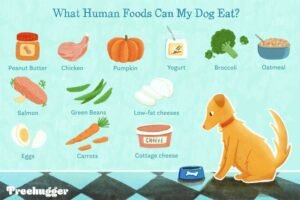
Choosing a diet for your dog depends on their age and health needs. If your dog is a puppy, they require higher calories for growth; if they’re a senior, they need lower calories to prevent obesity. The most common mistake people make is feeding “human” scraps or home-cooked meals without a veterinarian’s guidance. This often leads to severe nutrient deficiencies or toxic ingestions, which can cost thousands in medical bills or cause permanent organ damage.
Best things to feed your dog
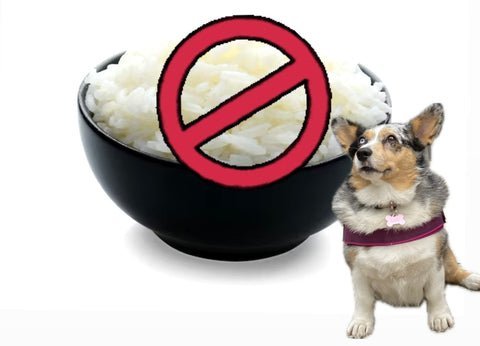
- Select a high-quality food formulated for your dog’s specific life stage, such as puppy, adult, or senior, as these formulas have different nutrient densities.
- Measure your dog’s daily intake using a standard kitchen scale rather than a scoop, because kibble density varies wildly between brands and even batches.
- Divide the total daily amount into two or three smaller meals to keep their digestion steady and reduce the risk of bloat.
- Provide fresh, clean water in a stainless steel or ceramic bowl, washing it daily to prevent bacterial film buildup.
- Transition your dog to a new food over seven days by mixing increasing amounts of the new food into the old to avoid stomach upset. Tip: Never feed your dog common human foods like onions, garlic, or grapes, as these are toxic even in small amounts.
- Consult a veterinarian before adding any supplements, as excess vitamins can interfere with the absorption of other nutrients. Tip: A dog’s weight should be checked monthly; if you can’t feel their ribs under a thin layer of fat, they’re likely overweight and need a portion reduction.
Factors Influencing Feeding Duration
The time it takes to see the benefits of a high-quality diet varies based on your dog’s current health and activity levels. Most dogs show improvements in coat quality and energy within four to six weeks of switching to a balanced, age-appropriate diet.
| Situation | Time to Result | What changes it | What to watch for |
|---|---|---|---|
| Coat health | 4-6 weeks | Breed type | Excessive shedding |
| Weight loss | 8-12 weeks | Daily exercise | Lethargy |
| Energy levels | 2-3 weeks | Metabolism | Digestive issues |
If your dog shows no improvement or develops new issues after eight weeks, consult your vet immediately.
Identifying Proper Nutrition
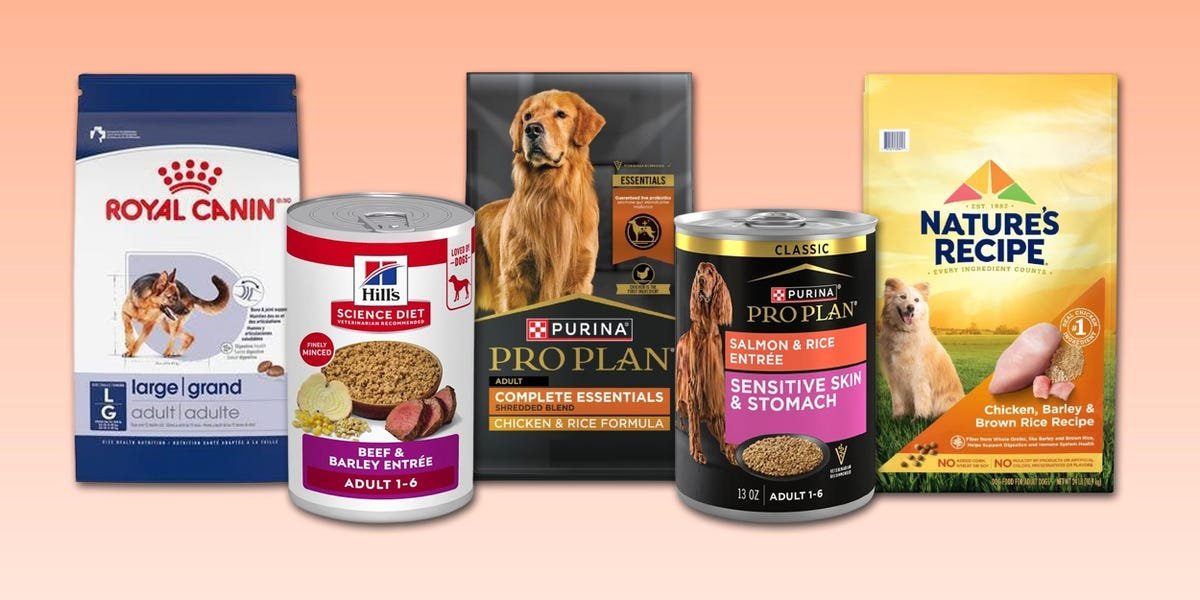
You can tell your dog is eating well by observing their physical condition and behavior. A healthy dog has a shiny, soft coat, bright eyes, and firm, consistent stools. They should maintain a steady weight where you can easily feel their ribs but not see them protruding. According to the Association of American Feed Control Officials, a reliable label must state that the food meets the nutritional requirements for a specific life stage. If your dog is constantly hungry, has dull fur, or experiences frequent vomiting, the current food may not be meeting their dietary needs.
Common Feeding Mistakes
- Free-feeding all day: Leaving food out leads to overeating and makes it impossible to monitor how much your dog actually consumes. Use scheduled mealtimes instead to keep their metabolism and portion control in check.
- Ignoring calorie density: Many owners assume all kibble has the same calories, but some brands are much more energy-dense than others. Check the “kcal per cup” on the bag and adjust your portions to match your dog’s weight needs.
- Frequent treat-stacking: Giving too many treats ruins a dog’s appetite for their balanced meals and adds empty calories. Ensure treats never exceed ten percent of your dog’s total daily calorie intake.
- Switching brands constantly: Rapidly changing foods causes digestive distress and makes it hard to identify if a specific food is causing an allergy.
Frequently asked questions
Can I feed my dog raw meat?
Feeding raw meat is risky because it often contains pathogens like Salmonella or Listeria that can harm both your dog and your family. If you choose to use raw diets, you must handle the food with strict sanitation protocols and ensure the recipe is balanced by a veterinary nutritionist.
How often should I feed my dog?
Most adult dogs should be fed twice daily, once in the morning and once in the evening, to keep their blood sugar stable. Puppies under six months require three to four smaller meals per day because their stomachs are small and they have higher metabolic needs for growth.
Is it safe to feed my dog table scraps?
No, it isn’t safe because many human foods contain ingredients like xylitol, onions, or high fat levels that are dangerous for dogs. Table scraps also lead to obesity and can cause pancreatitis, a painful and expensive condition that requires immediate veterinary intervention to manage effectively.
How much should I feed my dog?
You should feed your dog the exact amount specified by the feeding chart on the product label based on their current weight and activity level. If your dog is highly active or lives in a very cold climate, they may need ten percent more food than the label suggests.
What happens if I overfeed my dog?
Overfeeding leads to obesity, which significantly shortens a dog’s lifespan and increases the risk of joint pain, heart disease, and diabetes. If you notice your dog gaining weight, reduce their portion size by five percent and increase their daily walking time to help them burn the excess energy.
Thing feed, in short
Feeding your dog a consistent, high-quality diet is the simplest way to support their long-term health and vitality. Always prioritize the instructions on the bag and keep a close eye on their body condition to ensure they stay at a healthy weight throughout their life.