
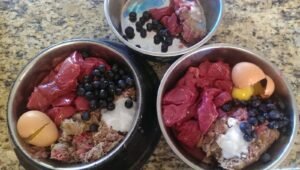
The best food to feed your dog is a balanced diet that meets the nutritional standards set by the Association of American Feed Control Officials.
What is the best to feed your dog: Simple rules
- Select products with an AAFCO statement on the label to ensure nutritional adequacy.
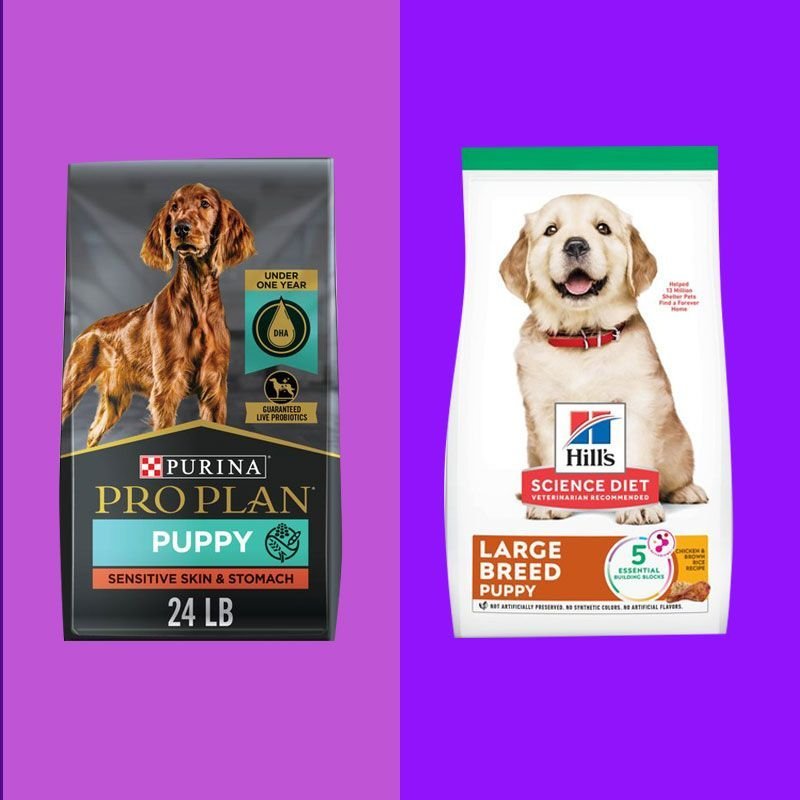
- Feed puppies a formula specifically designed for growth to support their bone development.
- Measure food portions using a standard measuring cup rather than guessing the amount.
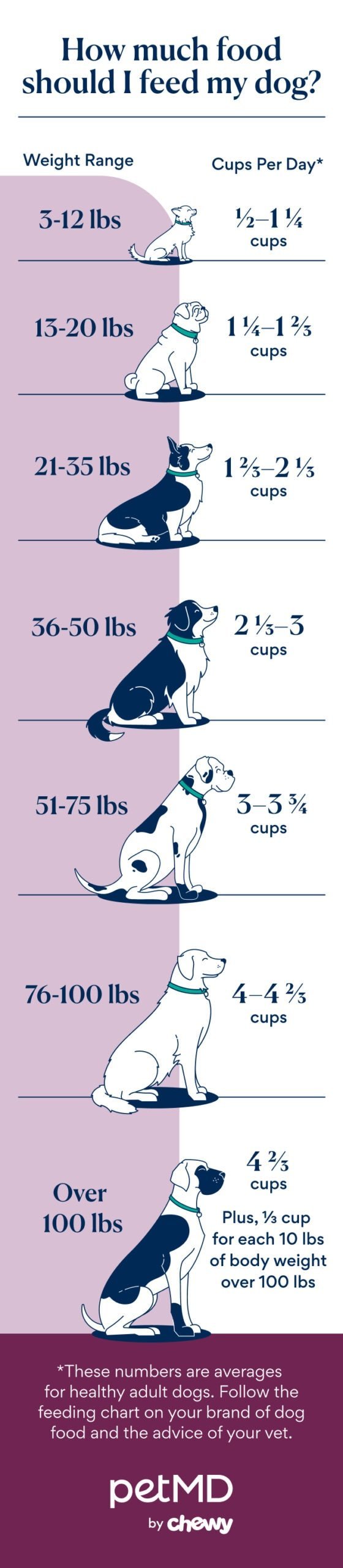
- Check the feeding chart on the bag as a baseline for your dog’s weight.
- Provide fresh, clean water in a washed bowl every single day without fail.
- Limit treats to ten percent or less of your dog’s total daily calorie intake.
Why high-quality ingredients matter for health
The primary reason to prioritize balanced nutrition is that dogs require specific ratios of amino acids, fats, and minerals to maintain organ function. When you select a commercial food, you’re relying on the manufacturer to provide these nutrients in the correct proportions for your pet’s metabolic needs. This confirms the food has been tested or formulated to meet the needs of a dog at a specific age or activity level. If you choose a brand without this label, you risk giving your dog an incomplete diet. This can lead to long-term health issues like weak bones or poor coat condition. Always read the back of the bag for the manufacturer’s feeding instructions, as these are tailored to the energy density of their specific recipe.
When your dog needs a different diet
| Situation | What changes | What to do instead |
|---|---|---|
| Food allergies | Protein source | Switch to novel proteins |
| Weight gain | Calorie density | Use weight management formulas |
| Senior age | Joint support | Choose senior-specific recipes |
| Sensitive stomach | Fiber content | Consult your local veterinarian |
| High activity | Energy level | Increase working dog calories |
How to manage your dog’s daily meals
- Calculate your dog’s daily caloric needs using the weight and activity level stated on the food brand’s official website.
- Divide the total daily amount into two equal meals to help your dog digest the food more effectively each day.
- Use a standard measuring cup for every single feeding to ensure you aren’t accidentally overfeeding or underfeeding your pet.
- Monitor your dog’s body condition score by feeling their ribs; you should feel them easily without pressing hard through fat.
- Transition to a new food by mixing it with the old one over seven days to avoid any stomach upset.
Common mistakes that impact dog health
- Free-feeding by leaving a full bowl out all day often leads to obesity and poor portion control.
- Feeding human table scraps adds hidden calories and can lead to dangerous digestive issues or pancreatitis.
- Ignoring the serving size on the bag causes many owners to feed double the calories their dog actually needs.
- Changing brands too quickly without a transition period frequently results in diarrhea or vomiting for your dog.
Frequently asked questions
How much should I feed my dog daily?
You should feed your dog based on their weight and the specific calorie density of their food. Check the feeding chart on your bag for the exact amount, then adjust it based on your dog’s body condition and activity level.
Is it safe to feed my dog raw food?
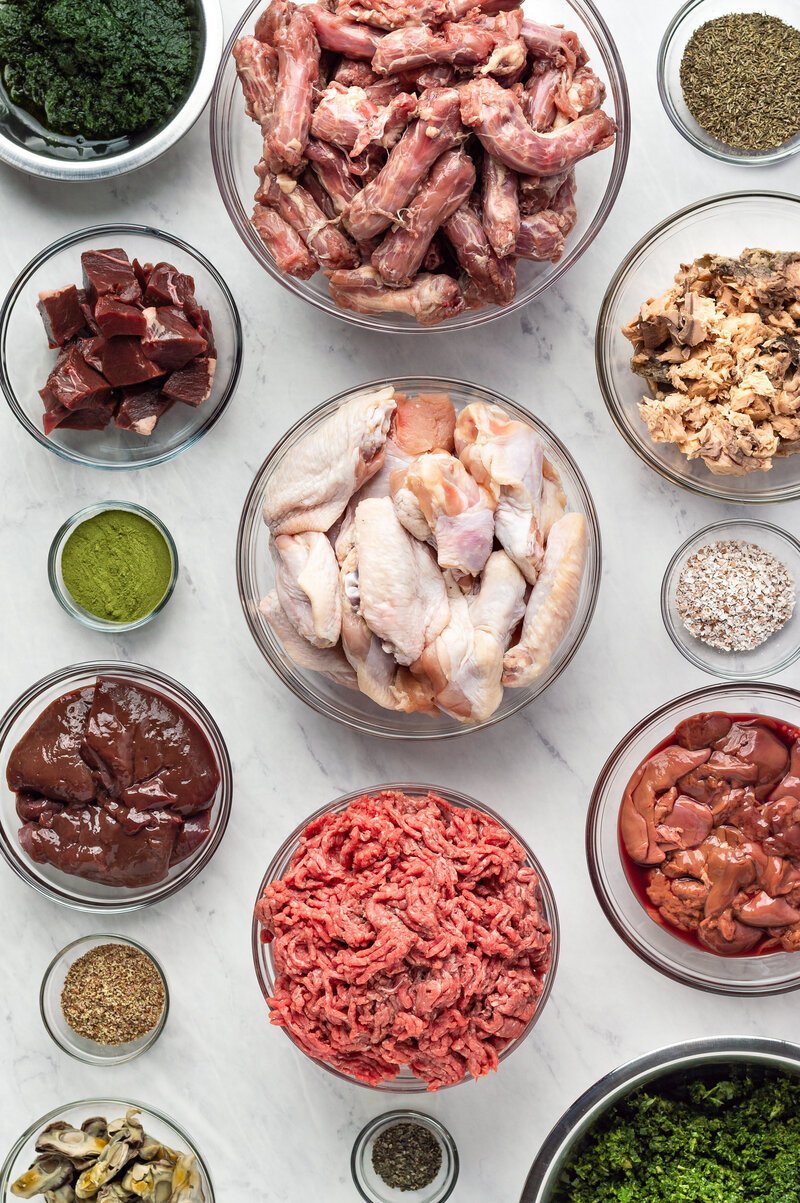
No, the American Veterinary Medical Association warns that feeding raw animal products carries a high risk of bacterial contamination. These bacteria can make your dog sick and also pose a significant infection risk to the humans living in your home.
How do I know if my dog is overweight?
You can check if your dog is overweight by feeling their ribs and looking at their waistline. You should feel the ribs easily under a thin layer of fat, and the dog should have a visible tuck behind the ribs when viewed from above.
Can I feed my dog human food?
You should only feed your dog human food if it’s plain and cooked, like plain chicken or boiled rice. Many human foods, such as onions, garlic, grapes, and chocolate, are toxic to dogs and must be avoided completely to keep them safe.
How often should I change my dog’s food?
You don’t need to change your dog’s food if they’re healthy and doing well on their current diet. If you do change it, you must do so slowly over one week to prevent digestive distress and ensure your dog accepts the change.
What happens if my dog eats too much?
Your dog will likely gain excess weight, which puts heavy strain on their joints and heart. If your dog accidentally eats a very large amount of food at once, watch for signs of bloating or lethargy and contact your veterinarian immediately.
Feed dog, in short
Ensuring your dog receives the right amount of high-quality food is the most effective way to support their long-term health and happiness. By sticking to a consistent feeding schedule and monitoring their weight, you help them stay active and avoid preventable health complications.