
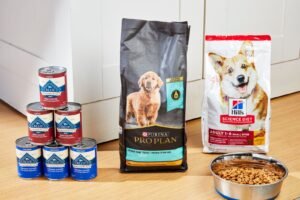
The cleanest dog food is a fresh, whole-food diet prepared in a human-grade facility that meets the Association of American Feed Control Officials (AAFCO) nutritional standards. You should look for transparent ingredient lists that prioritize single-source proteins and whole vegetables, as these options minimize the risk of processing contaminants.
Why it works / what to know first
Fresh diets avoid the high-heat extrusion process used for dry kibble, which can degrade nutrients and create harmful compounds. By choosing minimally processed ingredients, you reduce the intake of artificial preservatives and fillers often found in mass-produced bags.
The most common mistake owners make is switching their dog’s food too quickly. This change often leads to digestive upset; always transition over seven to ten days to allow the gut microbiome to adjust to the new nutrient density.
Selecting a safe diet
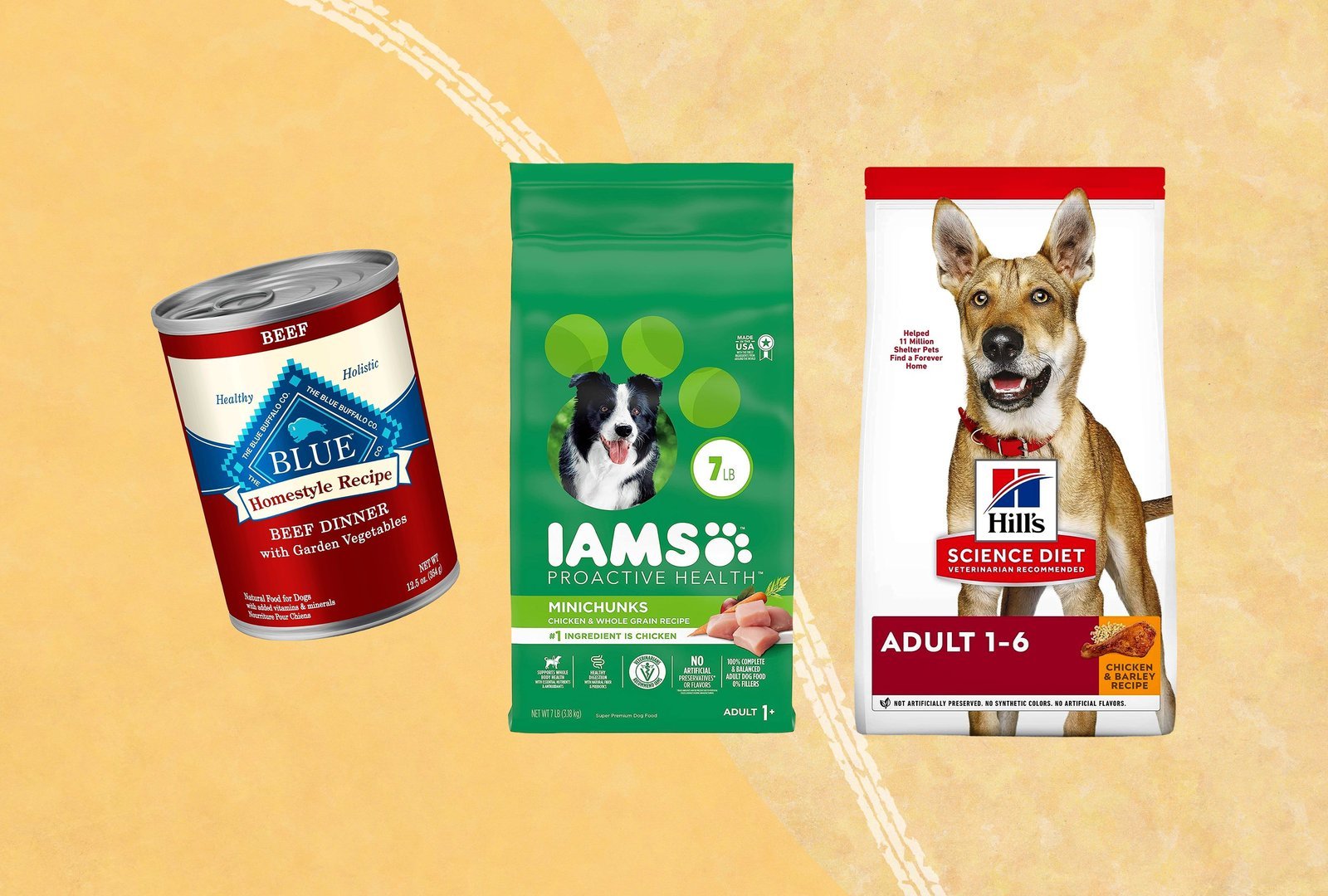
- Research the manufacturer to confirm they operate a human-grade kitchen with third-party testing.
- Review the ingredient label for specific animal protein sources rather than generic “meat meal” or “by-products.”
- Transition your dog by mixing 25% new food with 75% old food for three days, then move to a 50/50 split.
- Increase to 75% new food after another three days until you reach a full switch by day ten.
- Store all fresh food in a sealed container at or below 40°F to prevent bacterial growth.
Tip: If your dog has a sensitive stomach, extend the transition period to fourteen days to ensure a smooth switch.
Tip: Always consult your veterinarian before starting a new diet if your dog has pre-existing health conditions or specific dietary requirements.
Timing your transition
The time needed for a dietary switch depends on your dog’s age and digestive history. This assumes a healthy adult dog; for puppies or seniors, consult your vet for a slower, more cautious schedule.
| Situation | How long | What changes it | What to watch for |
|---|---|---|---|
| Healthy adult dog | 7–10 days | Sensitivity levels | Loose stools |
| Puppy or senior | 14+ days | Digestion speed | Lethargy |
| Sudden change | 1–2 days | Urgency | Vomiting |
If your dog shows signs of distress like vomiting or diarrhea after three days, stop the transition and return to the previous diet until you speak with a professional.
Identifying quality indicators
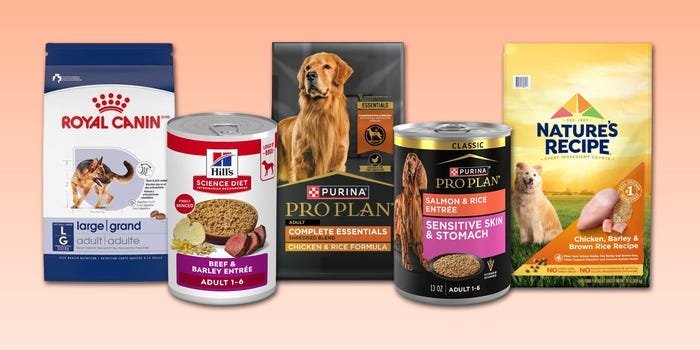
You can identify high-quality food by checking for whole ingredients that remain recognizable. According to AAFCO’s guidelines on pet food labeling, a complete and balanced diet must list the specific species of meat used. Avoid foods that hide ingredients under vague terms like “animal fat” or “digests.” The texture should be consistent with real food, and the label must provide a clear nutritional adequacy statement. If the company can’t provide a report on their sourcing or pathogen testing, choose a different brand.
Dietary pitfalls to avoid
- Ignoring the storage temperature: Fresh food spoils quickly if left at room temperature, so keep it frozen or refrigerated according to the FoodSafety.gov cold food storage charts.
- Overlooking nutritional balance: A home-cooked meal without added vitamins isn’t a complete diet and can lead to dangerous mineral deficiencies over time.
- Choosing based on marketing: Fancy packaging doesn’t equal quality, so ignore the front of the bag and focus entirely on the ingredient list and the manufacturer’s safety credentials.
Frequently asked questions
Can I mix fresh food with kibble?
Yes, you can mix fresh food with kibble to improve the nutrient profile of your dog’s diet. Start with a small amount of fresh food to ensure your dog tolerates the change, then gradually increase the ratio while monitoring for any digestive changes or stool consistency issues.
How do I store fresh dog food?
You should store fresh dog food in the refrigerator for up to four days or keep it in the freezer for up to three months. Always use airtight containers to prevent cross-contamination and maintain the quality of the ingredients until you’re ready to serve the meal.
Is raw food cleaner than cooked food?
No, raw food carries a higher risk of pathogens like Salmonella and Listeria compared to lightly cooked, human-grade diets. If you choose a raw diet, you must follow strict handling protocols to protect both your pet and your household members from potential bacterial exposure during meal preparation.
How much should I feed my dog?
You should feed your dog based on their specific weight, activity level, and age as calculated by your veterinarian. Most fresh food brands provide a feeding calculator on their website, but you must adjust the portion if your dog starts gaining or losing weight unexpectedly during the transition.
What happens if I switch too fast?
You’ll likely see digestive issues such as vomiting, diarrhea, or gas if you switch too fast.
How often should I update my dog’s diet?
Update your dog’s diet whenever they transition into a new life stage, such as moving from puppyhood to adulthood or entering their senior years. Different life stages require specific caloric and nutrient densities to support long-term health. Consult your veterinarian to manage these changes through regular checkups and weight monitoring.
Cleanest dog, in short
Choosing the right bowl filler doesn’t have to be overwhelming. Start by checking your current bag’s label for a clear list of recognizable ingredients. If you’re unsure about the quality, talk to your vet about making a gradual switch. Your dog’s health is worth the extra care you’ll put into their meals.