

Feeding your dog a balanced, nutrient-dense diet is the single most important factor in ensuring their long-term health, vitality, and longevity. While individual needs vary based on age, breed, and activity level, the foundation of canine nutrition relies on a precise balance of proteins, fats, carbohydrates, vitamins, and minerals. Understanding what your dog requires helps you navigate the confusing aisles of pet food options to find the best fuel for your companion.
Key Takeaways

- Always prioritize high-quality protein sources like deboned chicken, beef, or salmon.
- Consult with your veterinarian to determine the exact caloric needs for your dog’s life stage.
- Avoid feeding your dog human foods like grapes, onions, chocolate, or xylitol-containing products.
- Monitor your dog’s body condition score to prevent obesity and related health complications.
- Transition to new food gradually over seven to ten days to avoid digestive upset.
What Should You Be Feeding Your Dog?
Your dog is a facultative carnivore, meaning they thrive on a diet centered around animal-based proteins but can digest some plant-based nutrients. The Association of American Feed Control Officials (AAFCO) sets the standards for complete and balanced pet foods, ensuring that manufactured diets meet the minimum requirements for essential amino acids and fatty acids. You should look for labels that explicitly state the food is formulated to meet these nutritional levels.
| Nutrient Category | Primary Function | Ideal Source Examples |
|---|---|---|
| Proteins | Tissue growth/repair | Chicken, Lamb, Salmon |
| Fats | Energy/Skin health | Fish oil, Chicken fat |
| Carbohydrates | Quick energy/Fiber | Brown rice, Sweet potatoes |
| Micronutrients | Metabolic regulation | Blueberries, Spinach, Kelp |
Decoding the Ingredient Label
When reading pet food labels, the first item listed must be a protein source. Avoid generic terms like “meat meal” or “animal by-products” if possible, as these lack the specificity needed to verify quality. Instead, look for named sources like “Deboned Turkey” or “Beef Meal.”
Warning: Never feed your dog foods containing grapes, raisins, macadamia nuts, or onions, as these are highly toxic to canines and can cause acute kidney failure or anemia.
Comparing Commercial Food Types
Choosing the right format depends on your budget, lifestyle, and your dog’s specific preferences.
| Food Category | Pros | Cons |
|---|---|---|
| Dry Kibble | Affordable, convenient | Often high in starch |
| Wet Canned | High moisture, palatable | Shorter shelf life |
| Fresh/Frozen | Human-grade, high nutrient | Expensive, requires freezer |
Dry Kibble vs. Wet Food
Dry kibble is the most common choice for many owners due to its long shelf life and dental benefits. However, wet food provides essential hydration, which is particularly beneficial for dogs prone to urinary tract issues. Many owners opt for a “topper” method, mixing a small amount of wet food into dry kibble to enhance flavor and moisture intake.
Importance of Life Stage Nutrition
Puppies require higher levels of protein and calcium to support rapid skeletal growth. Conversely, senior dogs often need fewer calories and joint-supporting supplements like glucosamine and chondroitin. Always select a bag labeled for your dog’s specific age bracket to ensure the nutrient density aligns with their metabolic needs.
Pro Tip: Use an AAFCO pet food nutrient profile to verify that the brand you choose has undergone appropriate feeding trials rather than just laboratory analysis.
Managing Your Dog’s Caloric Intake
Overfeeding is the leading cause of obesity in domestic dogs. A healthy weight is determined by a body condition score where you can feel, but not see, your dog’s ribs. Use a measuring cup rather than free-feeding from a large bag to maintain consistent portions. If your dog is sedentary, adjust their portion size downward to prevent unwanted weight gain.
Healthy Homemade Options
If you prefer to cook for your dog, you must work with a veterinary nutritionist to create a balanced recipe. Homemade diets often lack essential calcium, taurine, or B vitamins, which can lead to severe deficiencies over time. If you do provide homemade treats, keep them to less than 10% of your dog’s total daily caloric intake to ensure the primary commercial diet remains the main source of nutrition.
Troubleshooting Digestive Issues

If your dog experiences diarrhea or vomiting, the culprit is often a sudden change in diet or an intolerance to a specific protein source. Transition your dog to a new food by mixing 25% of the new food with 75% of the old food, gradually increasing the ratio over ten days. If symptoms persist for more than 48 hours, seek professional veterinary guidance immediately.
Related guides
Frequently Asked Questions
Is grain-free food better for dogs?
Unless your dog has a medically diagnosed allergy to grains like wheat or corn, there’s no scientific evidence that grain-free diets are superior. In fact, some studies have investigated potential links between grain-free diets and heart conditions. Stick to high-quality ingredients rather than focusing on the absence of grains unless your veterinarian suggests otherwise for a specific health issue.
How many times a day should I feed?
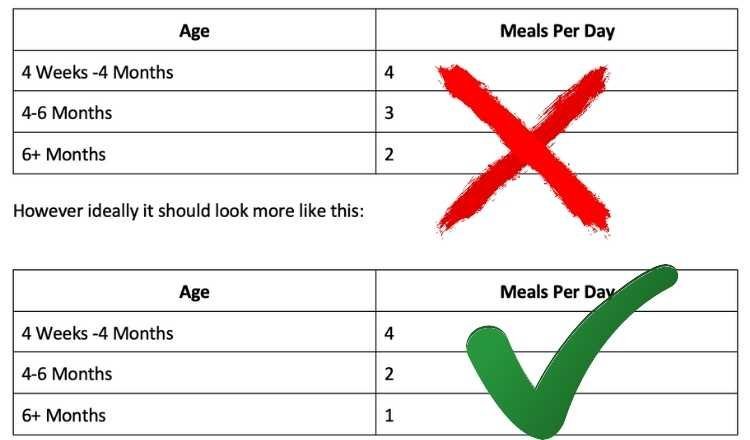
Most adult dogs thrive on two meals per day—one in the morning and one in the evening. This schedule helps regulate their metabolism and prevents hunger-related stomach acid buildup. Puppies, however, require three to four smaller meals daily to maintain steady blood sugar levels during their rapid growth phases. Always keep fresh, clean water available at all times.
Can dogs eat human leftovers?
Feeding your dog table scraps is generally discouraged because it introduces unpredictable calories and potentially dangerous ingredients. Many human foods are seasoned with garlic or onions, which are toxic to dogs. If you want to share, stick to plain, unseasoned vegetables like carrots or green beans, and ensure these extras never exceed a small fraction of their total daily intake.
How do I know if my dog has an allergy?
Food allergies usually manifest as chronic skin irritation, frequent ear infections, or persistent gastrointestinal distress. If you suspect an allergy, your veterinarian may recommend a strict elimination diet using a prescription hydrolyzed protein source. Don’t attempt to diagnose allergies yourself, as many skin issues are actually caused by environmental allergens like pollen, dust mites, or fleas rather than food.
Providing your dog with consistent, high-quality nutrition is an act of care that pays dividends in their energy levels and long-term health. Keep a log of their weight and energy levels to track how different foods impact them over time. Schedule a wellness exam with your local veterinarian to finalize a specific meal plan tailored to your dog’s unique biological needs today.