

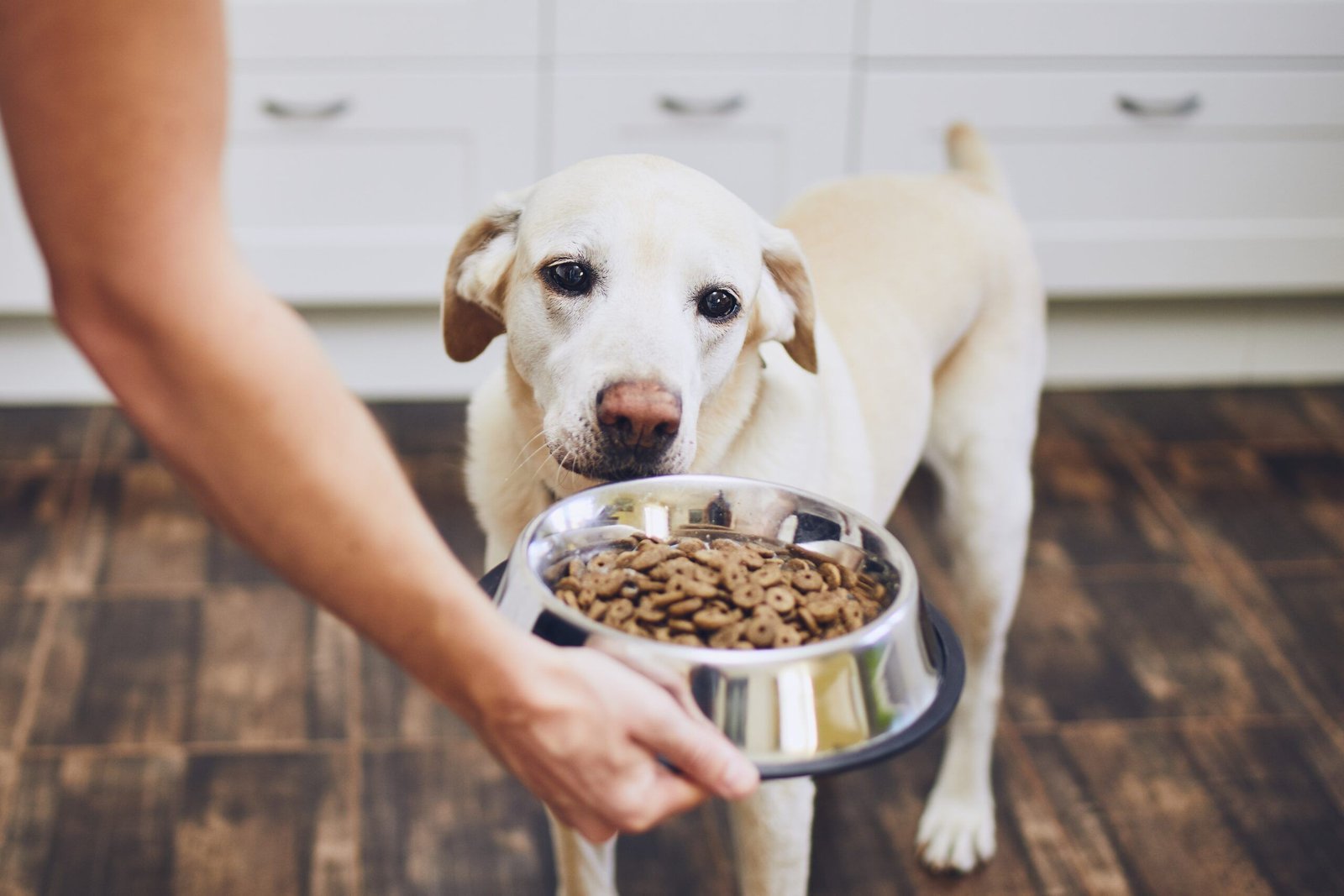
Feeding your dog requires a balanced approach that prioritizes high-quality proteins, healthy fats, and essential vitamins to support their specific life stage and activity level. Selecting the right nutrition involves understanding the difference between commercial diets, raw options, and home-cooked meals while ensuring you meet their caloric needs. Most adult dogs require between 25 and 30 calories per pound of body weight daily, though this fluctuates based on metabolism and breed size.
Key Takeaways
- Prioritize diets labeled as “complete and balanced” by the Association of American Feed Control Officials.
- Transition your dog to new food over 7–10 days to prevent digestive upset.
- Always ensure fresh water is available to support healthy kidney function and digestion.
- Consult your veterinarian before starting any specialized or homemade diet plan.
- Monitor your dog’s body condition score regularly to prevent obesity and related health issues.
What To Feed The Dog
Choosing the right sustenance depends on your dog’s age, health status, and personal preferences. Most owners rely on high-quality commercial kibble because it provides a convenient, shelf-stable, and nutritionally consistent option. If you choose commercial food, look for products that list a named meat source, such as chicken or beef, as the first ingredient rather than a generic “meat meal.”
Common Dietary Options
| Diet Type | Key Benefits | Potential Drawbacks |
|---|---|---|
| Dry Kibble | Affordable and easy storage | Can contain excessive fillers |
| Wet Food | Highly palatable and hydrating | More expensive; shorter shelf life |
| Fresh Food | Human-grade ingredients | Requires careful nutritional balancing |
| Raw Diet | Natural enzymes preserved | High risk of bacterial contamination |
How Much Food Is Needed?
The quantity of food depends on the caloric density of the specific brand and your dog’s daily energy expenditure. A sedentary senior dog will need significantly fewer calories than a working breed or an active puppy. Always follow the guidelines provided on the packaging as a starting point, but adjust based on your dog’s weight changes over time.
Daily Caloric Intake Estimates
| Dog Weight | Low Activity (Calories) | High Activity (Calories) |
|---|---|---|
| 10 pounds | 250 – 300 | 350 – 450 |
| 30 pounds | 600 – 750 | 850 – 1,100 |
| 60 pounds | 1,100 – 1,300 | 1,500 – 1,900 |
Essential Nutrients For Canines
Dogs are omnivores that require a specific profile of amino acids, fatty acids, and minerals to thrive. Protein is essential for muscle maintenance, while fats provide the energy necessary for daily movement. Carbohydrates, when sourced from high-quality grains or vegetables, offer a steady source of fiber and energy.
Foods To Avoid Completely

Certain human foods are toxic to dogs and must be strictly kept out of reach. Ingesting even small amounts can cause severe organ damage or fatality in some cases.
- Chocolate and Caffeine: These contain methylxanthines that overstimulate the nervous system.
- Grapes and Raisins: Known to cause sudden kidney failure in dogs.
- Onions and Garlic: These can damage red blood cells, leading to anemia.
- Xylitol: An artificial sweetener found in sugar-free gum that causes rapid insulin release.
- Macadamia Nuts: These induce tremors, weakness, and hyperthermia.
How To Transition Foods
Warning: Sudden changes in diet often lead to vomiting, diarrhea, or loss of appetite in sensitive pets. Always use a gradual transition method to allow the gut microbiome to adjust to the new ingredients. Start by mixing 25% new food with 75% old food for three days. If the dog tolerates this well, move to a 50/50 mix for the next three days, followed by 75% new food, until you reach 100% new food by day ten.
Monitoring Your Dog’s Health
A healthy diet should result in a shiny coat, firm stools, and stable energy levels. If you notice persistent itching, dull fur, or significant weight fluctuations, the current food may not be the right fit. Keep a log of any treats or table scraps provided, as these can easily lead to nutritional imbalances or obesity.
Shopping For Quality Ingredients
When reading labels, look for specific terminology that indicates quality control. Avoid “generic” labels that don’t specify the source of the protein.
- Premium Brands: Orijen, Acana, Purina Pro Plan.
- Mid-Range Options: Blue Buffalo, Wellness, Merrick.
- Budget-Friendly: Taste of the Wild, Diamond Naturals.
Troubleshooting Common Feeding Issues
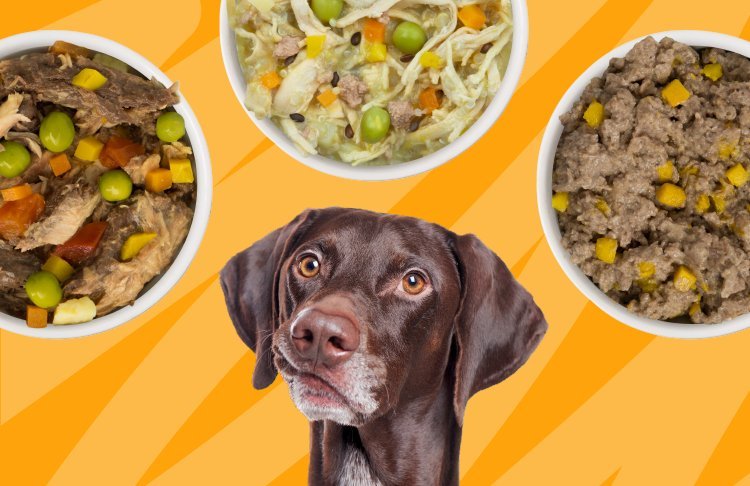
If your dog is a picky eater, try adding a small amount of warm water or low-sodium bone broth to their kibble to enhance the aroma. If your dog eats too quickly, consider using a slow-feeder bowl to prevent bloating and choking. Pro Tip: If your dog refuses to eat for more than 24 hours, consult a veterinarian immediately to rule out underlying illness or dental pain.
Frequently Asked Questions
Can dogs eat human food?
Yes, but only in moderation and provided the items are safe. Plain, cooked meats like chicken or turkey without bones, carrots, green beans, and blueberries are excellent additions. Avoid anything seasoned with onions, garlic, salt, or excessive fats, as these can cause gastrointestinal distress or long-term health complications. Always ensure these treats don’t exceed 10% of their total daily caloric intake.
How often should I feed?
Most adult dogs thrive on two meals per day—one in the morning and one in the evening. Puppies, however, require three to four smaller meals daily to maintain steady blood sugar levels during their rapid growth phase. Always maintain a consistent schedule to help regulate your dog’s digestion and potty training routine.
Are grain-free diets better?
There’s no scientific evidence that grain-free diets are inherently superior for the average dog. Unless your veterinarian has diagnosed a specific grain allergy, grains like brown rice, oats, and barley provide valuable fiber and nutrients. Some studies have suggested links between certain grain-free diets and heart issues, so discuss your choice with a professional before switching.
What about raw feeding?
Raw feeding is controversial due to the significant risk of bacterial contamination like Salmonella and E. coli, which can affect both pets and humans. If you choose this path, you must ensure strict hygiene and a perfectly balanced nutritional profile, which is difficult to achieve without professional guidance. Many experts recommend commercially prepared, pasteurized raw diets to minimize these risks.
How do I know if they’re overweight?
You should be able to feel your dog’s ribs easily without pressing hard, and they should have a visible waist when viewed from above. If you can’t feel the ribs or the abdomen hangs low, your dog is likely overweight. Reduce portion sizes slightly or increase exercise, and schedule a check-up to ensure there are no metabolic issues causing the weight gain.
Providing the right nutrition is the single most important factor in your dog’s longevity and quality of life. Start by evaluating your dog’s current body condition and activity level, then select a high-quality food that meets their specific needs. Gradually transition to the new diet and monitor their response closely, ensuring you always have a trusted veterinarian to guide you through any dietary adjustments.