
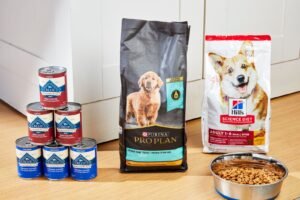
The best food for dogs is a nutritionally complete, balanced diet formulated to meet your specific pet’s life stage, breed size, and activity level. While many owners seek a single “perfect” recipe, the ideal choice depends on whether your dog is a growing puppy, an active adult, or a senior with unique health needs. High-quality diets focus on bioavailable protein and essential fatty acids, ensuring your canine companion receives the fuel required for longevity.
Key Takeaways
- Always prioritize products that meet AAFCO nutrient profiles for your dog’s specific life stage.
- Consult your veterinarian before switching diets, especially if your dog has known allergies or chronic health conditions.
- Check the ingredient list to ensure a high-quality animal protein source is listed as the first ingredient.
- Monitor your dog’s body condition score to adjust portion sizes and prevent canine obesity.
- Gradually transition your dog to new food over seven to ten days to avoid digestive upset.
Understanding Nutritional Requirements
Dogs are omnivores capable of digesting a wide variety of nutrients, but they require a precise balance of amino acids, fats, vitamins, and minerals. A nutritionally balanced meal provides these in the correct ratios. While marketing terms like “grain-free” or “human-grade” often dominate the conversation, the scientific standard for quality remains the nutrient profile established by regulatory bodies.
Life Stage Nutrition
Your dog’s needs shift as they age. Puppies require higher caloric density and specific calcium-to-phosphorus ratios to support rapid skeletal growth. Conversely, senior dogs often require fewer calories to manage weight and higher levels of joint-supporting supplements like glucosamine and chondroitin.
| Life Stage | Primary Focus | Caloric Density |
|---|---|---|
| Puppy | Growth and Development | High |
| Adult | Maintenance | Moderate |
| Senior | Joint and Metabolic Health | Low to Moderate |
What Is The Best Food?
The best food is one that consistently provides all essential nutrients without causing adverse reactions. This often means choosing reputable brands that conduct feeding trials rather than just formulating recipes based on calculated nutrient profiles. Look for manufacturers that invest in research and development, employ veterinary nutritionists, and maintain strict quality control standards in their manufacturing facilities.
Dry Kibble vs. Wet Food
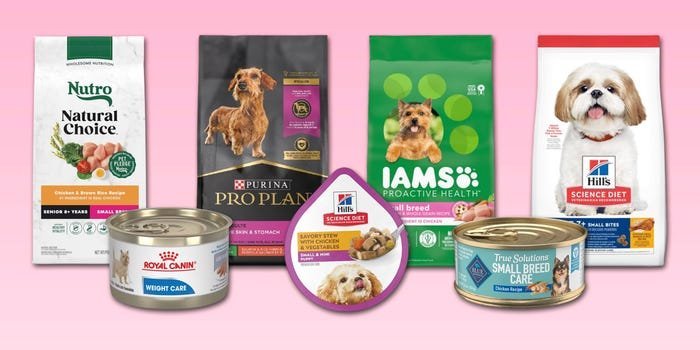
Choosing between dry, wet, or fresh food often comes down to budget, convenience, and your dog’s personal preference. Dry kibble is generally the most cost-effective and helps support dental hygiene through mechanical abrasion. Wet food is highly palatable and contains higher moisture content, which can be beneficial for dogs that don’t drink enough water throughout the day.
| Food Type | Pros | Cons |
|---|---|---|
| Dry Kibble | Convenient, shelf-stable, affordable | Lower moisture, less aroma |
| Wet Food | Highly palatable, hydrating | More expensive, spoils quickly |
| Fresh/Frozen | High quality, minimally processed | Requires freezer space, costly |
Identifying Quality Ingredients
Photo: www.thesprucepets.com on Google
When scanning labels, look for named animal proteins like “chicken,” “beef,” or “salmon” as the first ingredient. Avoid generic terms like “meat meal” or “animal fat,” which don’t specify the source. High-quality carbohydrates, such as brown rice, oats, or sweet potatoes, provide sustained energy, while fiber sources like beet pulp or chicory root aid in healthy digestion.
Warning: Always avoid ingredients listed as “by-products” if you’re concerned about quality, as these can include various parts of the animal that lack consistent nutritional value compared to muscle meat.
Common Allergies and Sensitivities
If your dog displays signs of food sensitivities, such as chronic ear infections, itchy skin, or gastrointestinal distress, they may benefit from a limited ingredient diet. These formulas reduce the number of potential allergens by using a single protein source and a single carbohydrate source. Common culprits in canine food allergies include chicken, beef, dairy, and wheat.
Feeding Guidelines and Portion Control
The best food in the world will still cause health issues if fed in the wrong quantities. Obesity is a leading health concern for dogs, contributing to diabetes, arthritis, and heart disease. Use the feeding chart on the bag as a starting point, but adjust based on your dog’s actual weight, metabolic rate, and daily activity levels.
Pro Tip: Use a kitchen scale to measure your dog’s food in grams rather than using a standard measuring cup, as this provides much greater accuracy and prevents accidental overfeeding.
Troubleshooting Your Dog’s Diet
Photo: www.healthline.com on Google
If your dog turns their nose up at their bowl, first ensure the food is fresh. If they’re otherwise healthy, they may simply dislike the texture or flavor. If your dog experiences vomiting or diarrhea after a meal, stop feeding that specific food immediately and contact your veterinarian to rule out food poisoning or an underlying medical issue.
Frequently Asked Questions
Is grain-free food better for dogs?
For the vast majority of dogs, grain-free food isn’t necessary and offers no proven health advantage. Unless your veterinarian has diagnosed a specific grain allergy, grains like brown rice, barley, and oats are excellent, highly digestible sources of energy and fiber. Always consult your vet before making a major change to your pet’s diet based on marketing trends.
How often should I feed my dog?
Most adult dogs thrive on two meals per day—once in the morning and once in the evening. This schedule helps regulate their metabolism and keeps their hunger levels consistent. Puppies, however, typically require three to four smaller meals daily to support their high energy needs and prevent low blood sugar episodes during their rapid growth phases.
Can dogs eat human food?
Some human foods are safe and healthy, such as plain cooked chicken, carrots, or blueberries. However, many human foods are toxic to dogs, including grapes, onions, garlic, chocolate, and the artificial sweetener xylitol. Always research any human food before offering it as a treat, and ensure it accounts for no more than ten percent of your dog’s total daily caloric intake.
How do I switch my dog’s food?
To avoid digestive upset, always transition your dog to a new diet over a period of seven to ten days. Start by mixing 25 percent of the new food with 75 percent of the old food for a few days. Gradually increase the ratio of new food until you’re feeding 100 percent of the new formula by the end of the second week.
Does my dog need supplements?
If you’re feeding a high-quality, complete, and balanced commercial dog food, your pet likely doesn’t need additional supplements. Most reputable foods are already fortified with the necessary vitamins and minerals. Supplements should only be added under the direct guidance of a veterinarian to address specific health concerns like joint pain or skin issues.
Taking the time to research and select a high-quality diet is one of the most impactful ways to support your dog’s long-term health and vitality. Start by checking your current pet food label against the nutritional standards mentioned above. If you identify gaps, begin the slow transition process to a more nutrient-dense option that better aligns with your dog’s life stage.