
Providing your dog with a balanced, species-appropriate diet requires understanding their specific life stage, activity level, and unique nutritional requirements. A high-quality canine diet focuses on providing essential proteins, fats, carbohydrates, vitamins, and minerals that support long-term health and vitality. By prioritizing whole ingredients and avoiding harmful fillers, you can ensure your companion thrives throughout their life.
Key Takeaways
- Always consult a veterinarian before making significant changes to your pet’s diet.
- Prioritize commercial foods that meet the nutritional standards set by the AAFCO.
- Ensure constant access to fresh, clean water to support digestion and organ function.
- Monitor your dog’s body condition score to prevent obesity and related health issues.
- Avoid feeding human foods like chocolate, grapes, onions, and garlic, which are toxic.
What Should You Feed Dogs?
Choosing the right fuel for your dog involves balancing macronutrients while considering their individual needs. Most experts recommend a diet based on high-quality animal protein, which serves as the foundation for muscle maintenance and immune health. Whether you choose kibble, canned food, or a balanced raw diet, the ingredients should be transparent and easily digestible.
| Nutrient Type | Primary Function | Common Sources |
|---|---|---|
| Protein | Muscle growth/repair | Chicken, Beef, Fish |
| Healthy Fats | Energy and skin health | Salmon oil, Flaxseed |
| Carbohydrates | Sustained daily energy | Brown rice, Sweet potatoes |
| Fiber | Digestive health/regularity | Pumpkin, Beet pulp |
Understanding Commercial Diet Options
Commercial pet foods are categorized by their moisture content and processing methods. Dry kibble is often the most convenient and cost-effective option, while wet food provides high moisture content, which is beneficial for dogs that don’t drink enough water.
- Dry Kibble: Best for dental health and ease of storage.
- Wet/Canned Food: Highly palatable and excellent for hydration.
- Fresh/Frozen: Minimally processed options often found in subscription services.
Warning: Always transition your dog to a new food gradually over seven to ten days by mixing increasing amounts of the new diet with the old to prevent gastrointestinal upset.
Essential Nutrients for Canines
Dogs are omnivores, meaning they require a blend of animal-based and plant-based nutrients. Carbohydrates provide quick energy, while fats are essential for brain development and coat health. Calcium and phosphorus are critical for bone density, particularly in growing puppies. According to the Association of American Feed Control Officials, pet foods must meet specific nutrient profiles to be labeled as nutritionally complete.
How to Calculate Proper Portions
Photo: www.aseertime.com on Google
Portion control is the most effective way to prevent canine obesity. While bag instructions provide a baseline, individual metabolism varies based on age, breed, and activity.
| Activity Level | Daily Caloric Need Factor | Recommendation |
|---|---|---|
| Sedentary | 1.0 – 1.2 x RER | Reduce treats |
| Moderate | 1.4 – 1.6 x RER | Standard portion |
| Highly Active | 2.0 – 3.0 x RER | Increase protein |
Note: RER stands for Resting Energy Requirement.
Can You Feed Dogs Table Scraps?
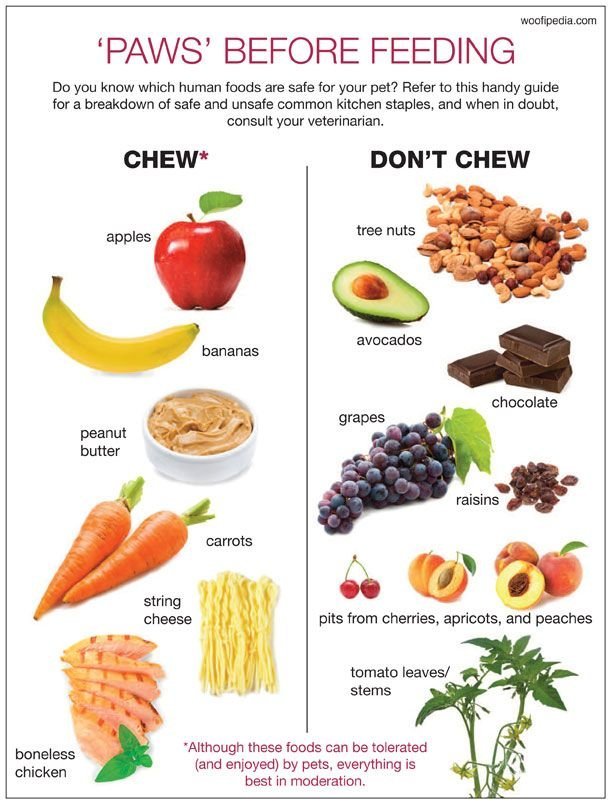
Feeding dogs from the table is generally discouraged due to the risk of digestive distress and the potential for weight gain. Many common human foods contain high levels of salt, sugar, or fat that aren’t suitable for canine consumption. If you want to offer treats, stick to dog-specific options or plain, steamed vegetables like carrots or green beans.
Pro Tip: Use a puzzle toy to dispense a portion of your dog’s daily meal, which provides mental stimulation and slows down their eating speed.
Identifying Dangerous Human Foods
Certain household staples are medically documented as dangerous for dogs. Even small amounts of these items can lead to severe organ damage or emergency veterinary intervention.
- Xylitol: An artificial sweetener found in sugar-free gum and some nut butters.
- Grapes and Raisins: Can cause sudden, acute kidney failure.
- Onions and Garlic: Cause damage to red blood cells leading to anemia.
- Chocolate: Contains theobromine, which is toxic to the canine heart and nervous system.
- Macadamia Nuts: Known to cause weakness, tremors, and hyperthermia.
Managing Food Allergies and Sensitivities
If your dog exhibits chronic itching, ear infections, or loose stools, they may have a food sensitivity. The most common allergens for dogs are proteins like beef, chicken, or dairy. A limited-ingredient diet, which typically features one novel protein source and one carbohydrate source, can help identify the culprit.
How Do You Choose Quality Brands?
Photo: consorziostoppani.it on Google
When evaluating a brand, look for the statement on the packaging that confirms it meets AAFCO standards. Avoid brands that list “meat by-products” as the primary ingredient. Instead, look for whole proteins like “deboned chicken” or “lamb meal.”
- Premium Kibble: Look for brands like Purina Pro Plan or Royal Canin.
- Fresh Options: Services like The Farmer’s Dog or Nom Nom.
- Budget-Friendly: Always check the ingredient list for fillers like corn or soy.
Related guides
Frequently Asked Questions
How often should I feed my dog?
Most adult dogs thrive on two meals per day—once in the morning and once in the evening. This schedule helps regulate their metabolism and keeps their hunger levels consistent. Puppies, however, require three to four smaller meals daily to support their rapid growth and prevent low blood sugar. Always maintain a consistent schedule to assist with digestion and house training.
Is raw feeding safe for dogs?
Raw feeding carries significant risks due to potential bacterial contamination like Salmonella or E. coli. These pathogens can affect both the dog and the human household members through cross-contamination. If you choose to feed a raw diet, strict hygiene practices are required, and it’s essential to work with a veterinary nutritionist to ensure the diet is nutritionally balanced and complete.
Can dogs be vegetarians or vegans?
While dogs are biologically classified as omnivores, they aren’t obligate carnivores, meaning they can survive on plant-based diets. However, formulating a vegan diet that meets all essential amino acid and vitamin requirements is extremely difficult. It’s generally safer to feed a high-quality animal-based diet unless directed by a veterinary specialist to manage a specific medical condition.
How do I know if my dog is overweight?
You can assess your dog’s weight by feeling their ribs. You should be able to feel the ribs easily without pressing hard through a thick layer of fat. If you look at your dog from above, they should have a visible waistline. If your dog has no waist or you can’t feel their ribs, consult your veterinarian to discuss a structured weight-loss plan.
What should I do if my dog stops eating?
A sudden loss of appetite, or anorexia, can be a sign of underlying illness, dental pain, or stress. If your dog skips more than two consecutive meals or displays signs of lethargy, vomiting, or diarrhea, contact your veterinarian immediately. Never force-feed your dog, as this can lead to choking or aspiration, especially if they’re already feeling unwell.
Review your current feeding routine against these guidelines to identify any necessary adjustments for your dog’s health. Start by checking the ingredient label on your dog’s food bag tonight to ensure the first ingredient is a high-quality whole protein, and schedule a brief check-up with your local veterinarian to confirm your pet’s ideal weight range.