
The first five ingredients in dog food should prioritize high-quality animal proteins, wholesome carbohydrates, and essential fats to ensure your pet receives a balanced nutritional profile. Manufacturers are required by law to list ingredients on the label in descending order by weight, meaning the first five components make up the vast majority of the kibble’s mass. By focusing on these initial items, you can quickly filter out low-quality fillers and identify products that align with your dog’s specific health requirements.
Key Takeaways
Photo: www.farmandfleet.com on Google
- Always verify that a named animal protein, such as chicken or beef, is the very first ingredient.
- Avoid foods that list generic “meat meal” or unspecified “animal fat” as these lack clear sourcing.
- Prioritize whole vegetables and grains over corn, wheat, or soy by-products for better digestibility.
- Check for the AAFCO nutritional adequacy statement to ensure the food meets minimum standards for your dog’s life stage.
- Look for a balance of protein, healthy fats, and fiber within the first five items on the list.
What Should The First 5 Ingredients Be?
The ideal ingredient list begins with a high-quality animal protein source to support muscle maintenance and energy. Following the protein, you want to see a mix of healthy fats and complex carbohydrates that provide sustained energy throughout the day. The goal is to avoid “ingredient splitting,” where manufacturers break down a single low-quality ingredient into several smaller items to make them appear lower on the list.
| Ingredient Type | Examples to Look For | Why It Matters |
|---|---|---|
| Primary Protein | Deboned Chicken, Salmon, Beef | Essential amino acids for health |
| Secondary Protein | Chicken Meal, Turkey Meal | Concentrated protein for muscle |
| Healthy Fats | Chicken Fat, Salmon Oil | Omega fatty acids for coat health |
| Carbohydrates | Sweet Potato, Brown Rice, Oats | Sustained energy and fiber |
Identifying High-Quality Proteins
Your dog is a facultative carnivore, meaning they rely on meat as their primary source of nutrition. When evaluating a bag, ensure the first ingredient is a “named” protein. Avoid vague terms like “meat by-products” or “poultry meal,” as these can include nearly any part of the animal from an unknown source. A specific protein source, like “Lamb” or “Duck,” provides transparency and nutritional consistency.
The Role Of Healthy Fats
Fat is the most calorie-dense nutrient and is vital for brain function and skin health. Look for oils or fats that are clearly identified, such as “Chicken Fat” or “Sunflower Oil.” These provide necessary linoleic acid, which is crucial for a healthy coat. If the label simply says “animal fat,” you can’t be certain about the quality or the origin of that fat, which could potentially lead to digestive upset.
Evaluating Carbohydrates And Fiber
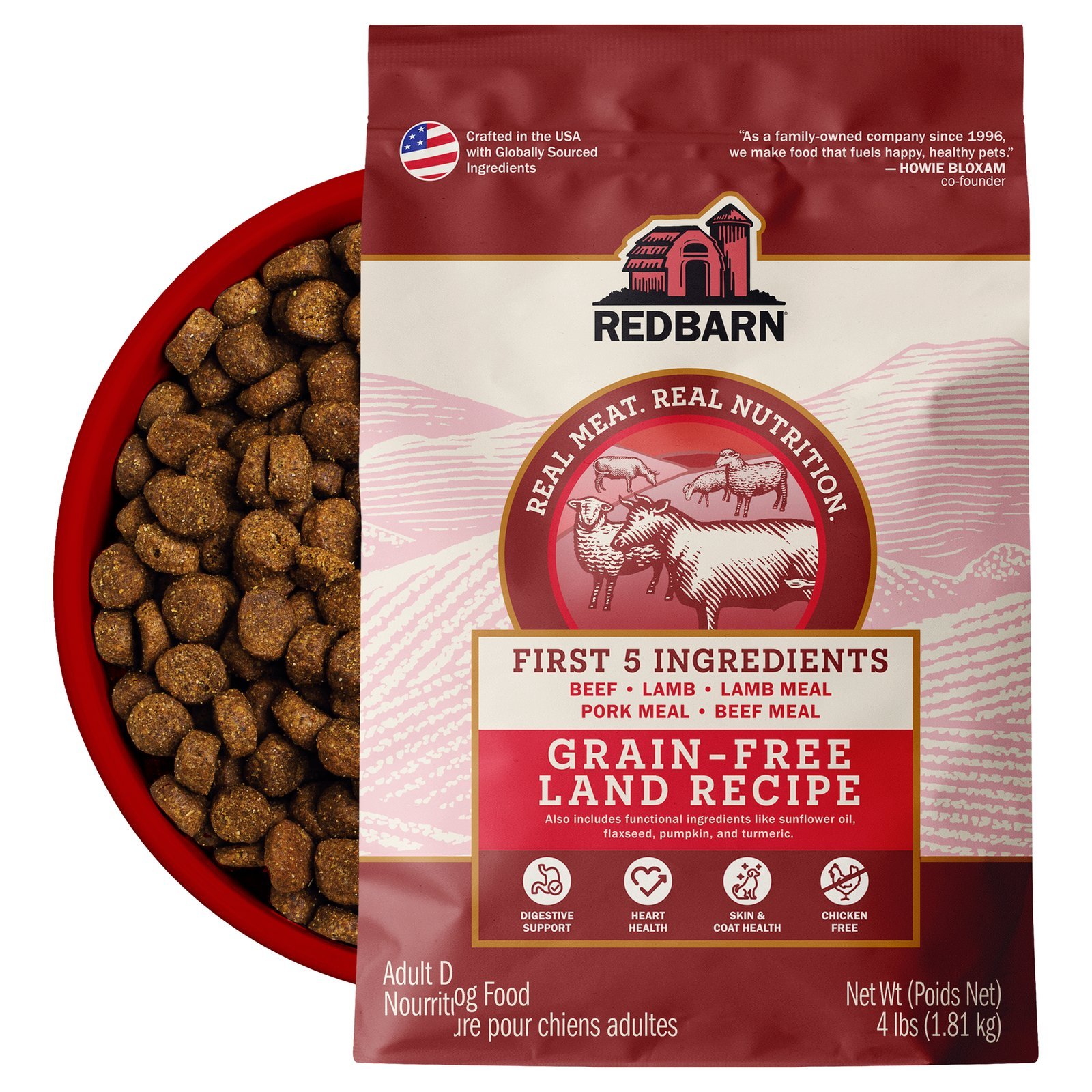
Carbohydrates aren’t inherently bad for dogs; in fact, they provide the energy needed for active lifestyles. However, the type of carbohydrate matters significantly. Instead of corn or wheat gluten, look for complex carbohydrates like quinoa, barley, or sweet potatoes. These ingredients offer a slower release of glucose and higher levels of fiber, which helps regulate blood sugar and promotes better digestive health.
Why Are The First 5 Important?
Because ingredients are listed by weight, the first five items constitute the bulk of the food’s nutritional value. If the first five ingredients consist of corn, corn gluten meal, soybean hulls, wheat, and chicken by-product, your dog is likely receiving a diet heavy in plant-based fillers rather than the bioavailable proteins they need.
Warning: Always double-check the label every time you buy, as manufacturers frequently reformulate recipes without notice, potentially swapping premium proteins for cheaper alternatives.
What Should You Avoid?
When scanning the ingredient list, be wary of “red flags” that indicate a lack of nutritional density. Ingredients like “corn syrup,” “artificial colors,” or “BHA/BHT preservatives” should never appear in the first five spots. These additives are often used to mask low-quality ingredients or extend shelf life at the cost of your dog’s long-term wellness. Stick to whole foods that you would recognize in a kitchen.
Are By-Products Always Bad?
Photo: www.orijenpetfoods.com on Google
There’s a common misconception that all by-products are harmful. In reality, organs like livers, kidneys, and hearts are incredibly nutrient-dense and provide vitamins that muscle meat alone lacks. The real issue arises when the by-product source is anonymous. If the bag states “Beef Liver” or “Chicken Heart,” it’s a high-quality ingredient. If it simply says “Animal By-product,” it’s best to avoid it entirely.
Pro Tip: If your dog has a sensitive stomach, look for a “limited ingredient diet” where the first five items are kept to a single protein and one or two easily digestible vegetables.
Frequently Asked Questions
Does protein percentage matter more than ingredients?
Protein percentage is important, but the quality of that protein matters more. A food could have 30% protein, but if that protein comes from low-quality plant sources like corn gluten or soy, it won’t provide the same amino acid profile as animal-based protein. Always check that the first ingredient is a named animal protein to ensure high bioavailability for your dog.
What is the difference between meat and meal?
Meat refers to raw or fresh tissues, which contain high water content. When that water is removed, the weight drops significantly. A “meal,” such as chicken meal, is a rendered product where the water and fat have been removed. This creates a concentrated protein source that provides more actual muscle-building material per pound than fresh meat. Both are excellent if they’re named.
Are grain-free diets better for all dogs?
Grain-free diets aren’t inherently better and have been the subject of intense study regarding heart health. Unless your veterinarian has specifically diagnosed a grain allergy, whole grains like brown rice, oats, and barley are excellent sources of energy and fiber. Most dogs thrive on a diet that includes high-quality, easily digestible grains rather than relying on heavy legume-based fillers like peas or lentils.
Should I rotate my dog’s food?
Rotating brands or protein sources can be beneficial for many dogs, as it provides a broader range of nutrients and amino acids. However, you must transition slowly over 7 to 10 days to prevent digestive upset. Always ensure that the new food also meets the criteria of having a named protein as the first ingredient and avoid sudden changes in your dog’s daily routine.
How do I read the back of the bag?
Start by reading the ingredient list from left to right, focusing on the first five items. Once you have confirmed the protein source and carbohydrate quality, look for the nutritional adequacy statement. This tells you which life stage the food is intended for, such as “growth” for puppies or “adult maintenance” for mature dogs. Use these two sections to make an informed decision for your pet.
Reviewing your dog’s current food label against these standards is the best way to ensure they’re getting the nutrition they deserve. Take the bag to your veterinarian during your next visit to discuss whether your current choice is truly meeting your specific dog’s health needs, or if a switch to a more protein-dense formula could improve their energy levels and overall vitality.