
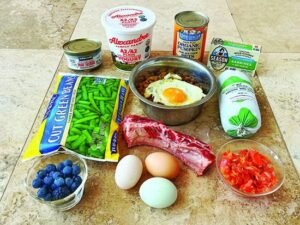
Your dog’s food should contain a precise balance of high-quality proteins, healthy fats, essential vitamins, and minerals to support their metabolic needs throughout different life stages. Providing a complete, balanced diet is the single most important factor in maintaining your pet’s long-term health and preventing nutritional deficiencies. By prioritizing whole food ingredients over fillers, you ensure your canine companion receives the fuel necessary for optimal energy levels and immune function.
Key Takeaways
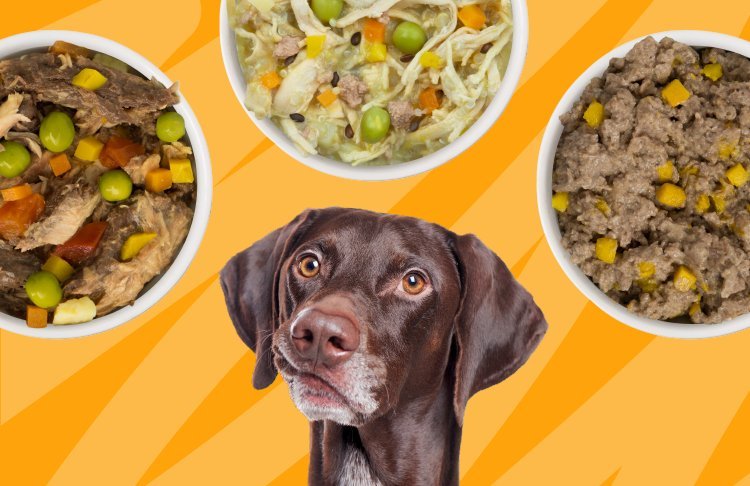
- Prioritize animal-based proteins like chicken, beef, or fish as the first ingredient on the label.
- Check for the AAFCO nutritional adequacy statement to ensure the food meets mandatory safety and health standards.
- Limit simple carbohydrates like corn or wheat in favor of complex sources like sweet potatoes or brown rice.
- Include omega fatty acids to promote a healthy coat and reduce skin inflammation.
- Avoid foods containing artificial preservatives, dyes, or excessive salt, which can lead to long-term health issues.
What Should Be In My Dog’s Food?
Understanding the label is the first step toward better nutrition. Dogs are omnivores, meaning they require a variety of nutrients to thrive. Your primary goal is to identify a formula that delivers a complete profile of macronutrients. High-quality dog food should always list a named protein source as the primary ingredient. Avoid vague labels like “meat meal” or “by-products,” which may lack the quality control found in human-grade proteins.
Essential Macronutrient Breakdown
| Nutrient Category | Role in Canine Health | Best Sources |
|---|---|---|
| Proteins | Tissue repair and muscle growth | Chicken, turkey, salmon, lamb |
| Fats | Energy density and brain health | Fish oil, flaxseed, chicken fat |
| Carbohydrates | Sustained energy and digestion | Brown rice, oats, sweet potatoes |
| Fiber | Digestive health and regularity | Beet pulp, pumpkin, barley |
The Role of Essential Micronutrients
Beyond the basics, your dog needs specific micronutrients to support physiological processes. Chelated minerals are often preferred because they’re easier for the body to absorb. Additionally, look for added vitamins like Vitamin A for vision, Vitamin E for immune support, and B-vitamins for energy metabolism. These are typically included in the premix added by manufacturers after the cooking process to ensure stability.
Why Are Fats Critical?
Fats are the most concentrated source of energy for dogs. Beyond providing calories, they’re essential for the absorption of fat-soluble vitamins and the maintenance of skin and coat health. A balanced diet should contain Omega-3 and Omega-6 fatty acids in a specific ratio. The Association of American Feed Control Officials provides the regulatory framework that ensures these nutrient levels remain within safe and healthy ranges for your pet.
Ingredients You Must Avoid
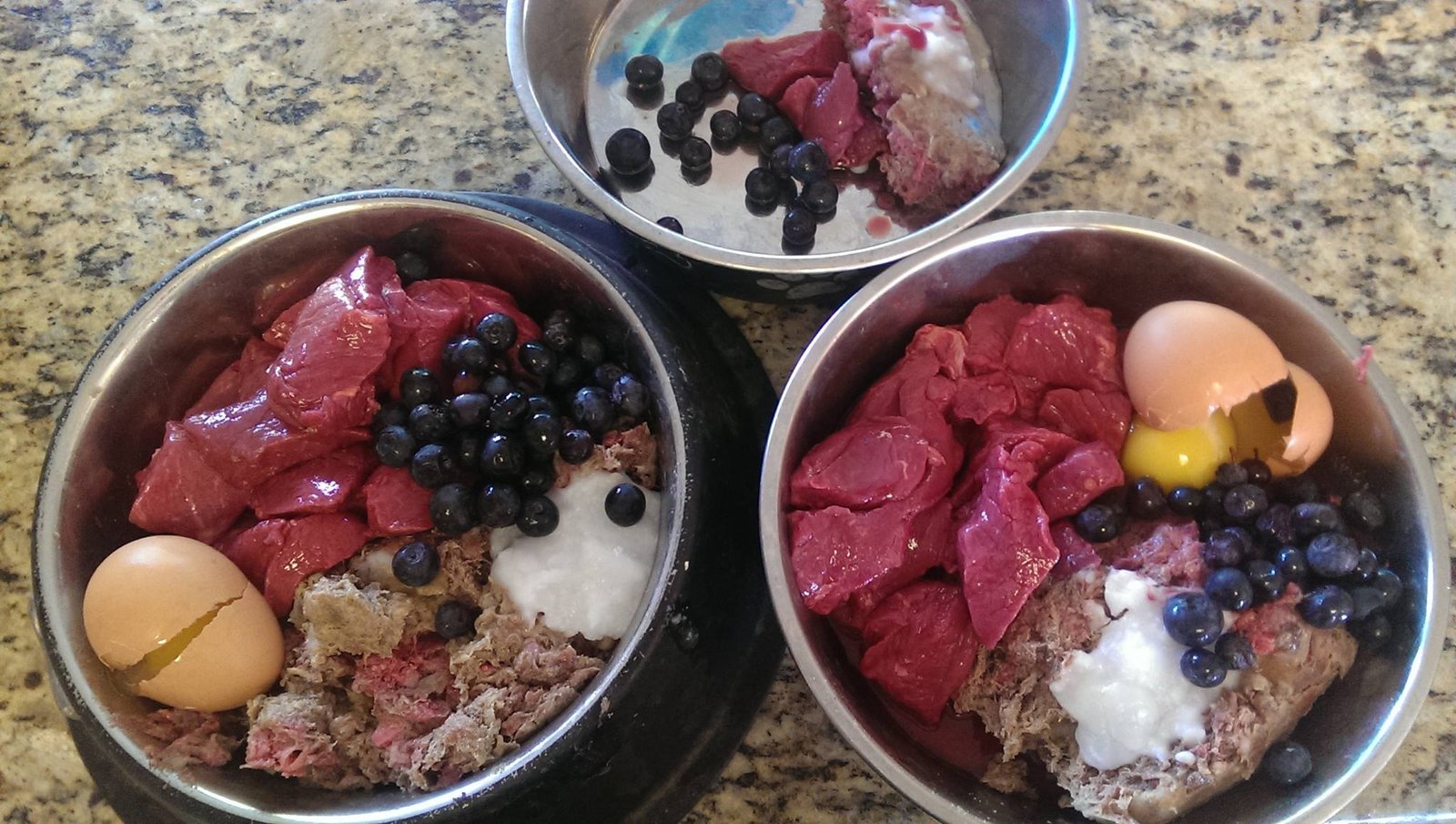
Not all ingredients found in commercial pet food are beneficial. Some are used merely as cheap fillers to increase the bulk of the product without adding nutritional value. You should strive to avoid products that rely heavily on:
- Artificial colors like Red 40 or Yellow 5.
- Propylene glycol, which is used as a humectant.
- Excessive amounts of sodium or sugar.
- Unidentified “meat” or “animal” fat sources.
How to Read a Label
Pro Tip: Ignore the front of the bag; the marketing claims are rarely as important as the ingredient list on the back. Start by looking at the first five ingredients, as these make up the bulk of the food. If you see multiple types of corn or processed grains listed before the protein, the food is likely calorie-dense but nutrient-poor.
Matching Food to Life Stage
A puppy has significantly different nutritional requirements than a senior dog. Puppies need higher levels of protein and calcium for growth, while senior dogs often require lower calorie counts to prevent obesity and added joint support supplements like glucosamine and chondroitin. Always choose a formula specifically labeled for your dog’s current life stage to ensure they aren’t missing critical developmental support.
Troubleshooting Common Dietary Issues
If your dog experiences constant gas, loose stools, or persistent itching, the diet may be the culprit. Many dogs suffer from sensitivities to specific grains or common proteins like chicken. Consider a limited ingredient diet to identify the irritant. If symptoms persist, consult your veterinarian before making radical changes, as sudden dietary shifts can cause significant gastrointestinal distress.
Comparing Food Types
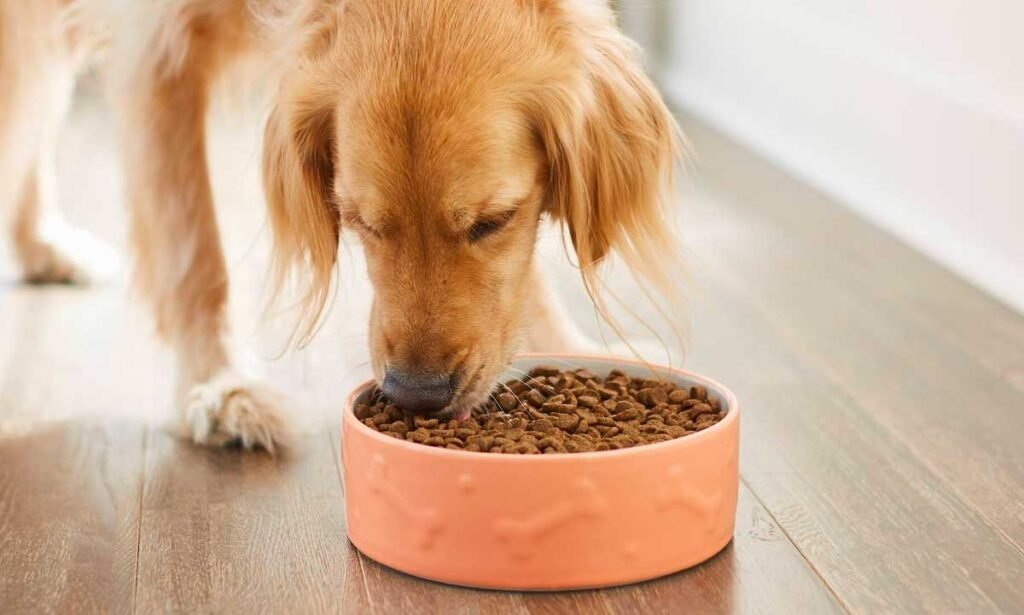
| Type | Pros | Cons |
|---|---|---|
| Dry Kibble | Convenient, affordable, dental support | Often higher in processed starches |
| Wet Food | High moisture, highly palatable | More expensive, shorter shelf life |
| Raw/Fresh | Minimally processed, high quality | Risk of pathogens, high cost |
Frequently Asked Questions
Can I feed my dog human food?
While some human foods like plain cooked chicken or green beans are safe, many are toxic to dogs. Chocolate, onions, garlic, grapes, and xylitol are dangerous. Human food should never account for more than 10% of your dog’s daily caloric intake to prevent nutritional imbalances.
Does my dog need grain-free food?
Unless your veterinarian has diagnosed a specific grain allergy, grain-free diets aren’t inherently better. Many dogs thrive on high-quality grains like quinoa or brown rice, which provide essential fiber and vitamins. Focus on the overall quality of ingredients rather than the presence of grains.
How do I transition new food?
Sudden changes can cause vomiting or diarrhea. Over a period of seven to ten days, mix increasing amounts of the new food with your dog’s current diet. Start with 25% new and 75% old, gradually increasing the ratio until your dog is eating 100% of the new formula.
What are by-products?
By-products are the clean parts of slaughtered animals, such as livers, kidneys, or lungs, that aren’t typically consumed by humans. While they sound unappealing, they can be highly nutritious and dense in essential vitamins if they come from a reputable, high-quality source.
Is expensive food always better?
Price isn’t always a perfect indicator of quality. While premium brands often use higher-quality ingredients and invest more in safety testing, you should always verify the label yourself. Look for brands that conduct feeding trials rather than those that simply formulate to meet minimum requirements.
Warning: Always ensure your dog has constant access to fresh, clean water, as the moisture content in their food is never a substitute for adequate hydration.
The best way to ensure your dog is getting exactly what they need is to maintain a consistent feeding schedule and track their body condition score over time. If you notice weight gain or loss, adjust your portions accordingly. Start by reviewing the ingredient list on your current bag today to see if it meets these nutritional standards.