
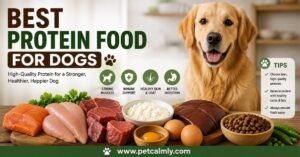
Fresh, whole-food ingredients like lean meats, vegetables, and complex carbohydrates serve as the foundation for the healthiest canine diet. These provide the essential balance of protein, fats, and vitamins necessary for your pet to thrive throughout their life.
The Healthiest Food Choices for Dogs
Whole foods are superior because they minimize the risk of additives and fillers that don’t serve a biological purpose. Dogs are omnivores that require a specific profile of amino acids, fatty acids, and minerals to maintain muscle mass, skin health, and organ function. Fresh, minimally processed ingredients are more bioavailable, meaning the dog’s digestive system can absorb the nutrients more easily than it can from highly processed kibble.
The Association of American Feed Control Officials establishes the standard nutritional profiles that any complete dog food must meet. If you prepare food at home, you must consult a veterinary nutritionist to ensure your recipes meet these specific requirements. Failing to balance calcium, phosphorus, and trace minerals can lead to serious bone and organ issues over time. Relying on basic household scraps isn’t a complete diet; it’s a recipe for nutritional deficiencies that manifest as lethargy or poor coat quality.
Balancing Your Dog’s Dietary Needs
| Factor | What to Consider | Adjustments Needed |
|---|---|---|
| Age | Puppy vs. Adult | Increase protein for growth |
| Activity | Working vs. Sedentary | Adjust calories for energy |
| Weight | Lean vs. Overweight | Limit fats for weight loss |
| Health | Allergies vs. Sensitive | Remove specific trigger proteins |
| Breed | Small vs. Large | Change kibble size/density |
How to Choose or Prepare Nutritious Meals
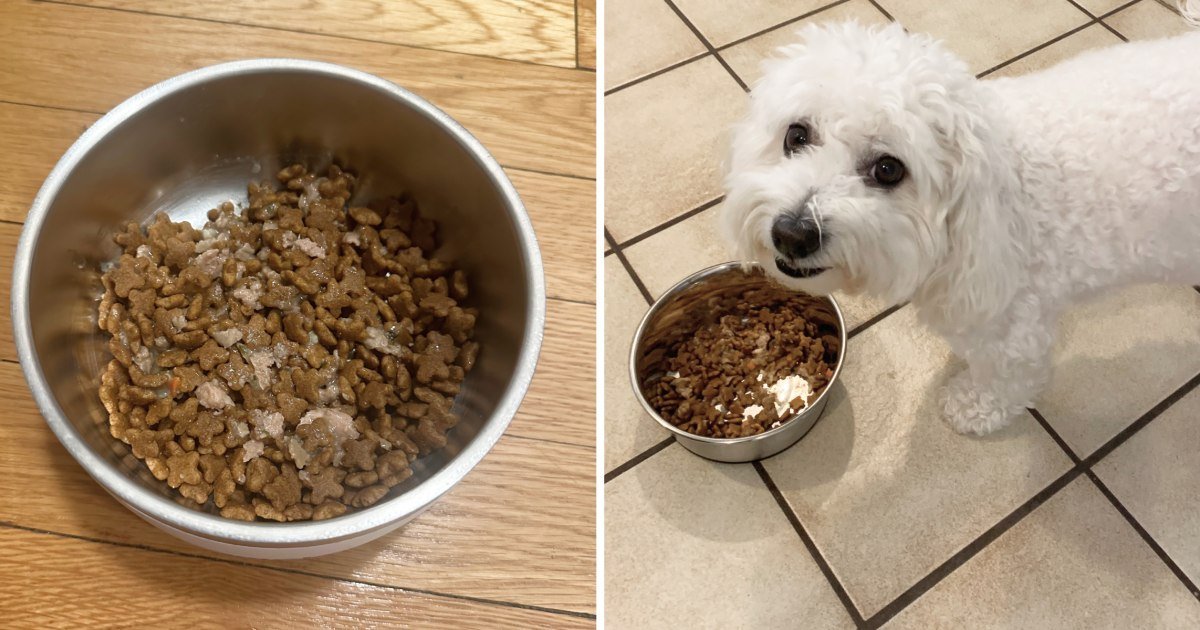
- Check the label for a named protein source, such as chicken or beef, listed as the first ingredient.
- Ensure the food is labeled as “complete and balanced,” which signifies it meets AAFCO nutrient profiles for your dog’s life stage.
- Avoid foods with vague labels like “meat meal” or “animal by-products,” as these provide less consistent protein quality.
- Measure portions using a standard kitchen scale rather than a cup to prevent overfeeding and unnecessary weight gain.
- Introduce new foods gradually over 7 to 10 days by mixing them with the old diet to avoid stomach upset.
- Provide fresh water at all times, as high-protein diets require adequate hydration for proper kidney function.
- Monitor your dog’s weight and body condition score monthly to determine if your portion sizes need adjustment.
Common Mistakes That Damage Health
-
Feeding cooked bones, which can splinter like glass and cause fatal internal punctures or life-threatening blockages in the digestive tract.
-
Adding garlic or onions to homemade meals, as these are toxic to dogs and cause oxidative damage to their red blood cells. Even small amounts of onion powder in processed scraps can trigger anemia within days.
-
Giving excessive treats, which adds “empty” calories that quickly lead to obesity and chronic joint strain. If treats exceed 10% of your dog’s daily caloric intake, you must reduce their main meal portion to compensate.
-
Skipping the transition period, which often results in vomiting or diarrhea because the gut microbiome can’t adapt instantly. Mix new food with the old over seven days.
Frequently asked questions
Can dogs eat human food?
Dogs can safely eat many human foods, such as plain cooked chicken, carrots, and blueberries, provided these foods are prepared without salt, oil, or toxic seasonings. These should only make up about 10% of their daily caloric intake to ensure the primary diet remains balanced.
How much should I feed my dog?
You should feed your dog based on their target body weight and activity level, typically following the feeding guidelines found on the packaging. If your dog is gaining weight, reduce the daily portion by 5-10% until their body condition score returns to a healthy, lean range.
Is grain-free food better for dogs?
Grain-free food is only better for dogs that have a clinically diagnosed grain allergy, which is actually quite rare in the canine population. Unless your veterinarian specifically recommends a grain-free diet, high-quality grains like brown rice or oatmeal are excellent, digestible sources of fiber and energy.
What is the safest way to change dog food?
The safest way to change dog food is to mix 25% new food with 75% old food for three days, then move to a 50/50 mix for three days, and finally a 75/25 mix before fully switching. This gradual process prevents sudden digestive distress and allows you to watch for allergic reactions.
How do I know if the food is high quality?
You know the food is high quality when the ingredient list starts with a whole, identifiable meat source and the packaging displays a clear nutritional adequacy statement. Avoid products that rely heavily on corn, wheat, or soy fillers as the primary ingredients for protein.
Does my dog need a raw food diet?
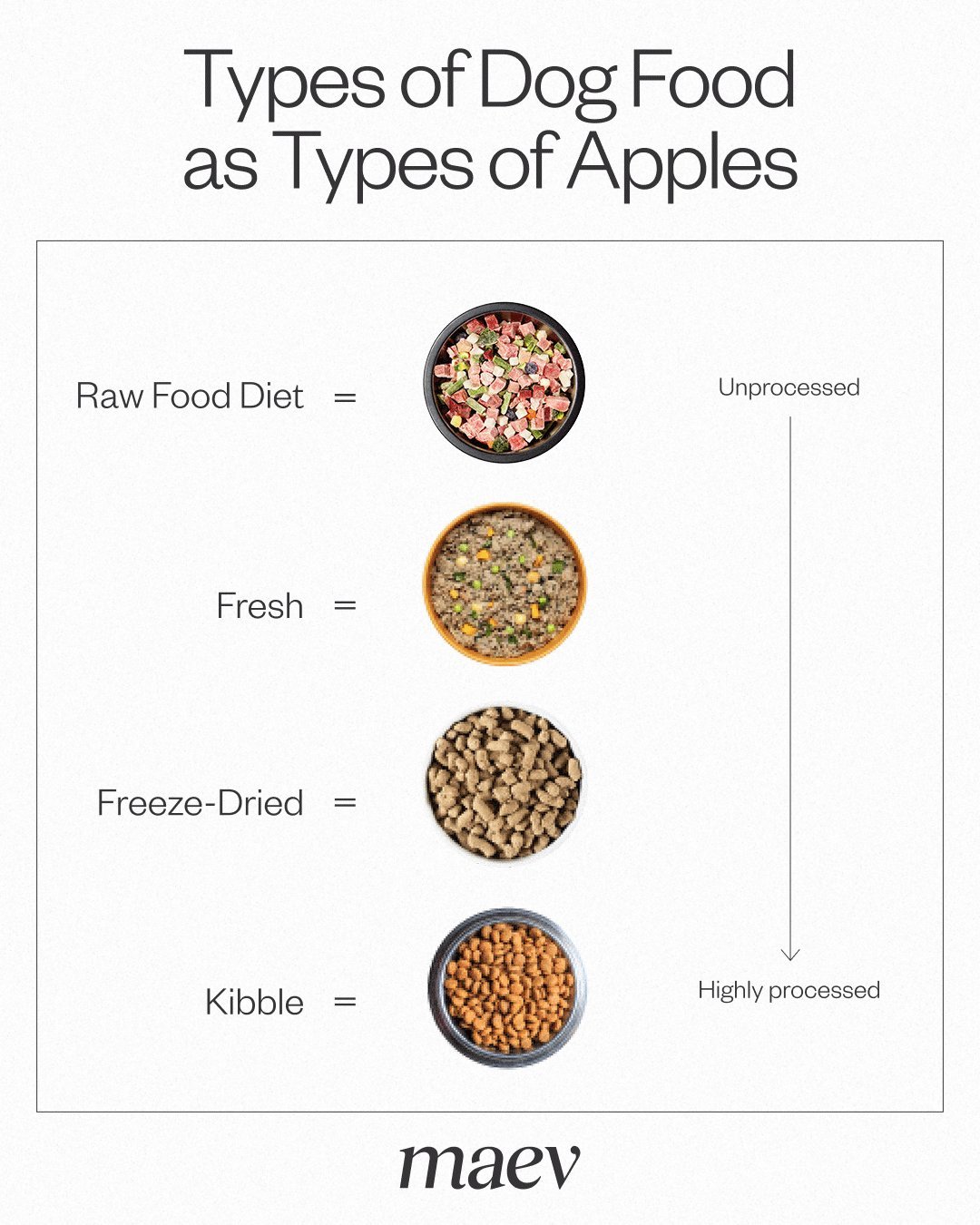
Most veterinarians advise against raw food diets due to the high risk of bacterial contamination like Salmonella and E. coli. These diets offer no proven health benefits over high-quality commercial options. If you choose this path, you must handle all ingredients with the same strict safety protocols used for raw human poultry.
Conclusion
Choosing the right ingredients doesn’t have to be complicated, but it’s always wise to chat with your vet before making big changes to your dog’s bowl. They’ll help you tailor these healthy choices to your pup’s unique needs. You’ll be glad you took this extra step toward a happier, more energetic life together.