
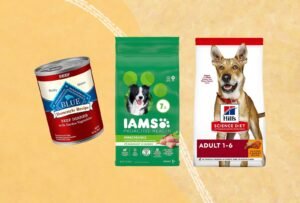
The healthiest dog food to buy is a complete and balanced formula that meets the AAFCO nutrient profiles for your dog’s specific life stage. You must look for a statement on the label confirming it has passed feeding trials or meets established nutritional standards.
How to choose the healthiest food
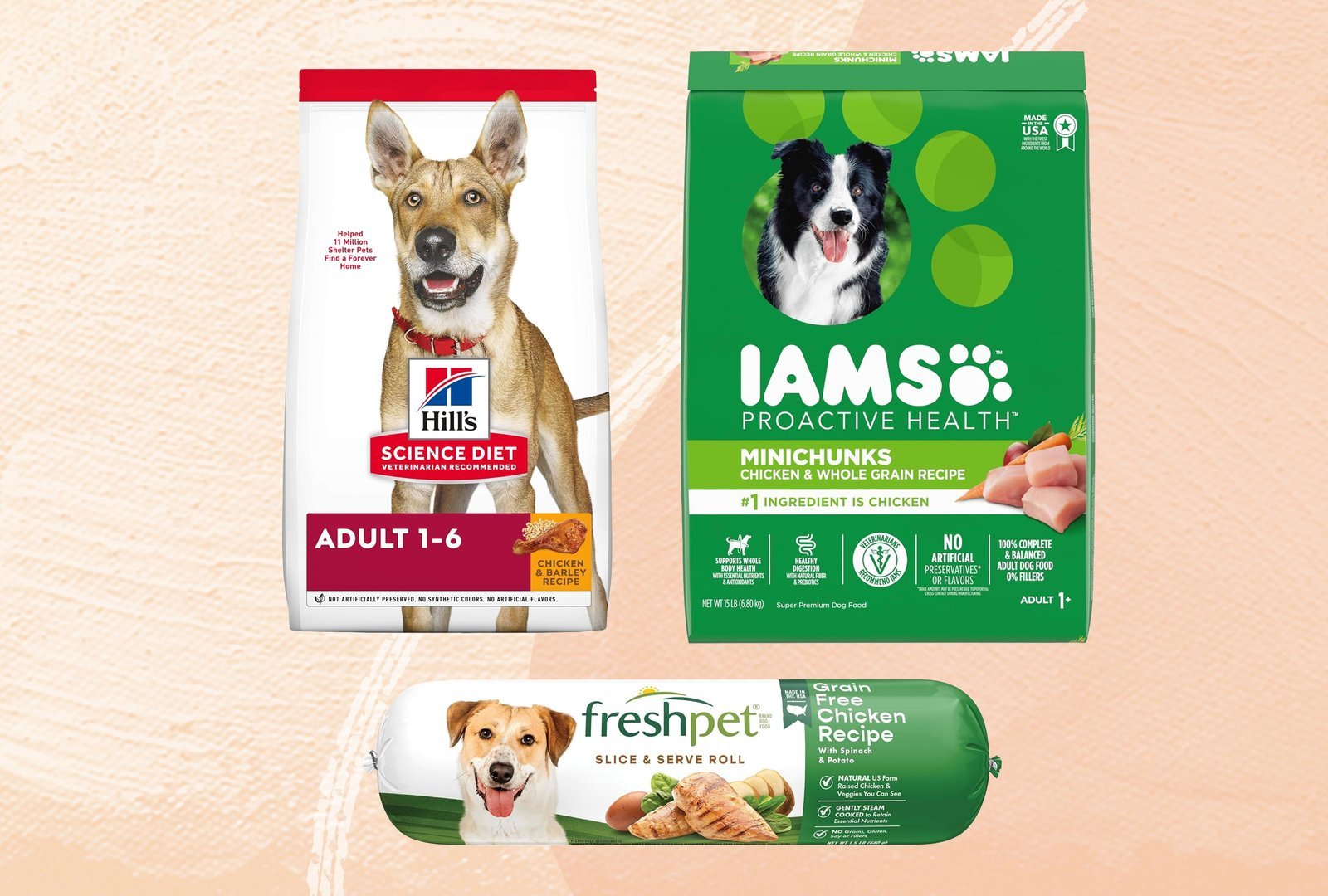
- Check the label for an AAFCO adequacy statement, which confirms the food provides all necessary nutrients for either growth or adult maintenance.
- Look for a named protein source—such as chicken, beef, or salmon—as the first ingredient on the packaging.
- Avoid foods that list generic “meat meal” or “animal fat” without identifying the specific species of origin.
- Verify the manufacturer has a veterinary nutritionist on staff to oversee their formulation and quality control processes.
- Review the expiration date and ensure the packaging is intact, as air exposure ruins the nutritional value and safety of dry kibble.
- If your dog has allergies, choose a “limited ingredient” diet to reduce the risk of digestive upset or skin reactions.
Why ingredient quality and testing matter
Nutrition science for pets relies on strict nutrient balance rather than trendy buzzwords like “grain-free” or “human-grade.” A healthy diet provides the exact ratio of amino acids, fatty acids, vitamins, and minerals required for your dog’s physiological needs. According to the U.S. Food and Drug Administration, pet food manufacturers must ensure their products are safe and properly labeled to prevent nutritional deficiencies or toxicities.
When a brand invests in clinical feeding trials, they prove their formula sustains health over time, not just on paper. Many boutique brands skip these expensive tests, which can lead to long-term health issues that are hard to spot early. Always prioritize companies that publish their research or have a long history of safety compliance. If you’re unsure about a brand’s reputation, search for their name on the Association of American Feed Control Officials website to see how they verify their nutritional claims.
When dietary needs change
| Situation | What changes | What to do instead |
|---|---|---|
| Puppy stage | Higher caloric density | Use “growth” or “all life stages” |
| Senior years | Lower energy needs | Switch to “senior” or “weight management” |
| Food allergies | Specific protein source | Use hydrolyzed or novel protein diets |
| Kidney disease | Phosphorus levels | Consult vet for prescription diet |
| High activity | Increased fat/protein | Choose “performance” or “working” formulas |
Steps for transitioning your dog to new food
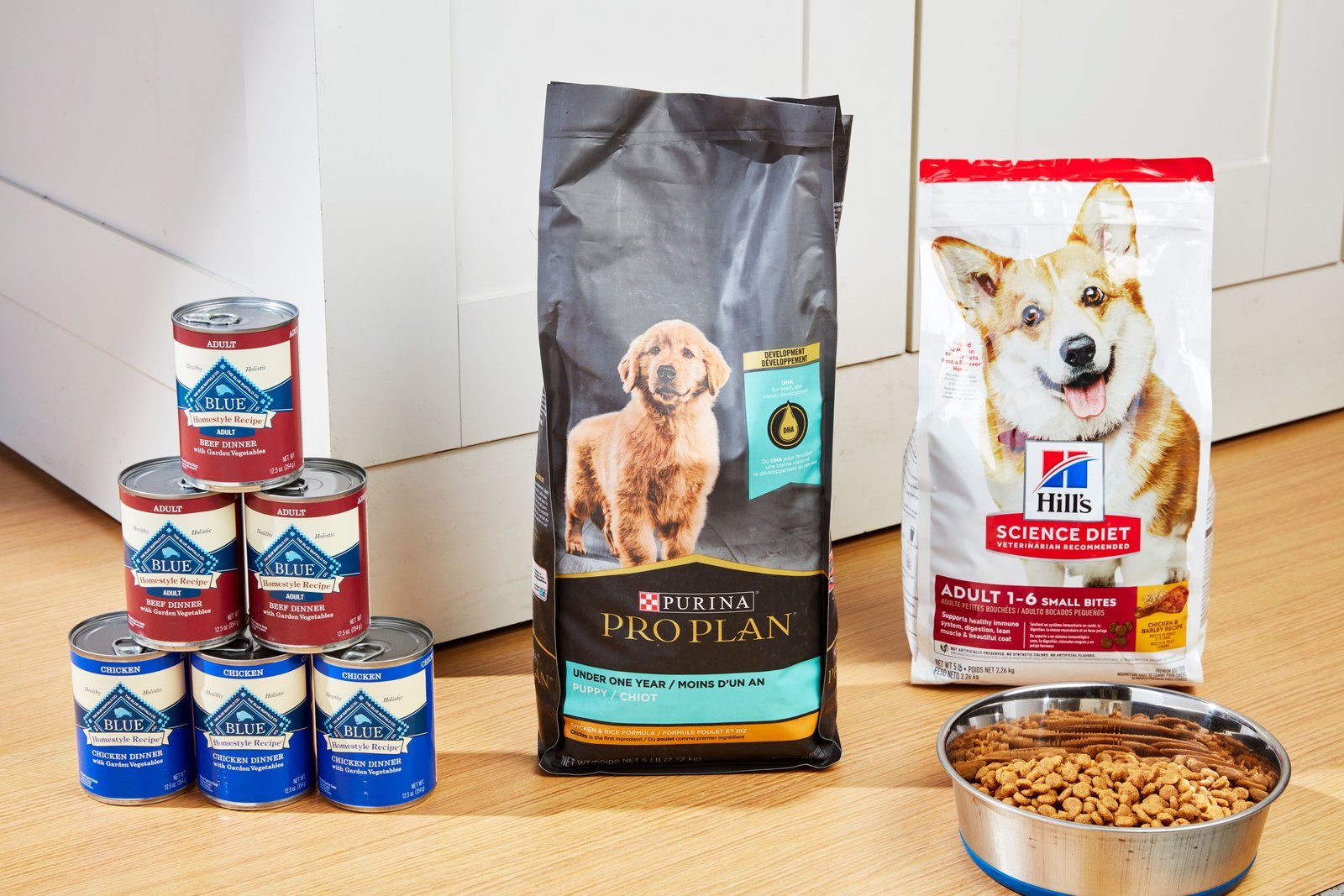
- Buy a small bag of the new food first to ensure your dog likes the taste and handles the digestion well.
- Mix 25% new food with 75% old food for the first 2 days to prevent stomach upset or loose stools.
- Increase the new portion to 50% for days 3 and 4, keeping a close watch on your dog’s energy levels.
- Move to 75% new food for days 5 and 6, checking for any signs of vomiting, diarrhea, or excessive itching.
- Feed 100% new food by day 7 if no digestive issues appear, which is the standard goal for a smooth transition.
- Monitor your dog’s weight and coat condition over the next 4 weeks; if they lose weight, you may need a higher caloric portion.
Mistakes that ruin a dog’s diet
- Switching foods too quickly often causes severe diarrhea, which can lead to dehydration if not managed.
- Adding too many table scraps dilutes the balanced nutrition of the base food, leading to obesity or nutrient imbalances.
- Buying food based solely on price often means buying products with lower-quality fillers that offer less bioavailability for your dog.
- Storing dry food in the original bag inside a damp area encourages mold growth, which is a major health risk.
Frequently asked questions
Can I feed my dog a raw diet?
A raw diet carries a high risk of bacterial contamination, such as Salmonella or Listeria, which can affect both your dog and your family. If you choose this path, you must ensure the diet is nutritionally complete and handled with strict hygiene protocols.
How long does a bag of dry food stay fresh?
Dry food remains fresh for about 4 to 6 weeks after opening, provided you keep it in an airtight container. Always check the “best by” date on the bag, as fats in the food turn rancid if stored for longer periods.
Is grain-free food better for dogs?
Grain-free food isn’t inherently healthier, and it’s usually unnecessary unless your dog has a medically diagnosed grain allergy. There’s no scientific evidence suggesting that grains like rice or oats are harmful to healthy dogs.
What happens if my dog eats a recalled food?
If your dog eats a recalled food, you should stop feeding it immediately and monitor for signs of illness like lethargy or vomiting. Contact your veterinarian right away if you notice any changes in behavior or digestion after a recall announcement.
Does it matter if the food is “all life stages”?
“All life stages” food is safe for most dogs, but it’s formulated to meet the high needs of puppies and lactating mothers. If your adult dog is prone to obesity, this food might contain more calories than they actually require.
How much should I feed my dog daily?
The amount to feed depends on your dog’s weight, age, and activity level, which you can read on the feeding chart on the bag. Always use a standard measuring cup, as “eyeballing” portions often leads to unintended weight gain or loss.
Conclusion
Choosing the right food is a balance between meeting your dog’s specific biological needs and ensuring the safety of the product. Always keep an eye on your dog’s weight and stool quality, as these are the best indicators that you have made the right choice. If your dog shows persistent digestive issues, consult your veterinarian to rule out underlying health conditions before trying a different brand.