

Dogs should eat a balanced diet consisting of high-quality proteins, healthy fats, complex carbohydrates, and essential vitamins and minerals tailored to their specific life stage and activity level. Meeting these nutritional requirements daily ensures long-term health, supports immune function, and promotes a healthy coat. Most adult dogs thrive on a consistent schedule of two meals per day, though portion sizes vary significantly based on caloric needs, typically ranging from 300 to 1,500 calories for a standard-sized canine.
Key Takeaways

- Always prioritize animal-based proteins as the primary ingredient in your dog’s food.
- Consult your veterinarian to determine the precise caloric intake for your dog’s weight.
- Avoid feeding human foods high in salt, sugar, or toxic ingredients like onions.
- Maintain a consistent feeding schedule to aid digestion and prevent behavioral issues.
- Monitor your dog’s body condition score to adjust portions and prevent obesity.
What Should Dogs Eat Everyday?
To maintain optimal health, a dog’s daily intake must provide a complete and balanced profile of nutrients. High-quality commercial diets are formulated to meet these standards. If you choose to prepare homemade meals, you must work with a veterinary nutritionist to ensure you aren’t missing critical micronutrients.
| Nutrient Type | Primary Role | Common Sources |
|---|---|---|
| Proteins | Muscle growth and repair | Chicken, beef, fish, eggs |
| Fats | Energy and brain health | Fish oil, chicken fat, flaxseed |
| Carbohydrates | Sustained energy levels | Brown rice, sweet potatoes, oats |
| Fiber | Digestive regularity | Pumpkin, beet pulp, peas |
The Role of Life Stages
A puppy requires significantly more protein and calcium than a senior dog to support rapid growth and skeletal development. Conversely, senior dogs often need fewer calories to prevent weight gain as their metabolism slows down. Always choose food labeled for your dog’s specific life stage: Puppy, Adult, or Senior.
Identifying Healthy Food Ingredients
When scanning labels, look for named animal proteins as the first ingredient. Avoid generic terms like “meat meal” or “animal byproduct,” which offer less nutritional transparency. Whole grains like brown rice or barley provide essential fiber, while specific vegetables like carrots and blueberries offer antioxidants.
Warning: Never feed your dog grapes, raisins, chocolate, or macadamia nuts, as these can cause immediate, life-threatening organ failure in even small amounts.
Determining Daily Portion Sizes
The amount of food a dog requires isn’t one-size-fits-all. It depends on their metabolism, neuter status, and exercise habits. Use the feeding guidelines on the back of your dog food bag as a starting point, but adjust based on your pet’s physical condition.
| Dog Weight (lbs) | Daily Cups (Low) | Daily Cups (High) |
|---|---|---|
| 5–10 lbs | 0.5 cups | 1.0 cups |
| 20–40 lbs | 1.5 cups | 2.5 cups |
| 50–70 lbs | 2.75 cups | 4.0 cups |
| 80+ lbs | 4.5 cups | 6.0+ cups |
How to Manage Feeding Schedules
Consistency is the cornerstone of a healthy digestive system. Feeding your dog at the same time every day helps regulate their metabolism and makes house training easier for puppies. Most adult dogs do well with two meals per day, one in the morning and one in the evening.
- Puppies: 3–4 meals daily to support rapid growth.
- Adults: 2 meals daily to maintain steady energy.
- Seniors: 2 meals daily, possibly smaller portions to aid digestion.
Is Grain-Free Always Better?
There’s no scientific evidence suggesting that grain-free diets are superior for all dogs. In fact, the U.S. Food and Drug Administration has investigated potential links between certain grain-free diets and heart conditions. Unless your dog has a medically diagnosed allergy to specific grains, high-quality whole grains are excellent sources of energy and nutrients.
Benefits of Healthy Treats
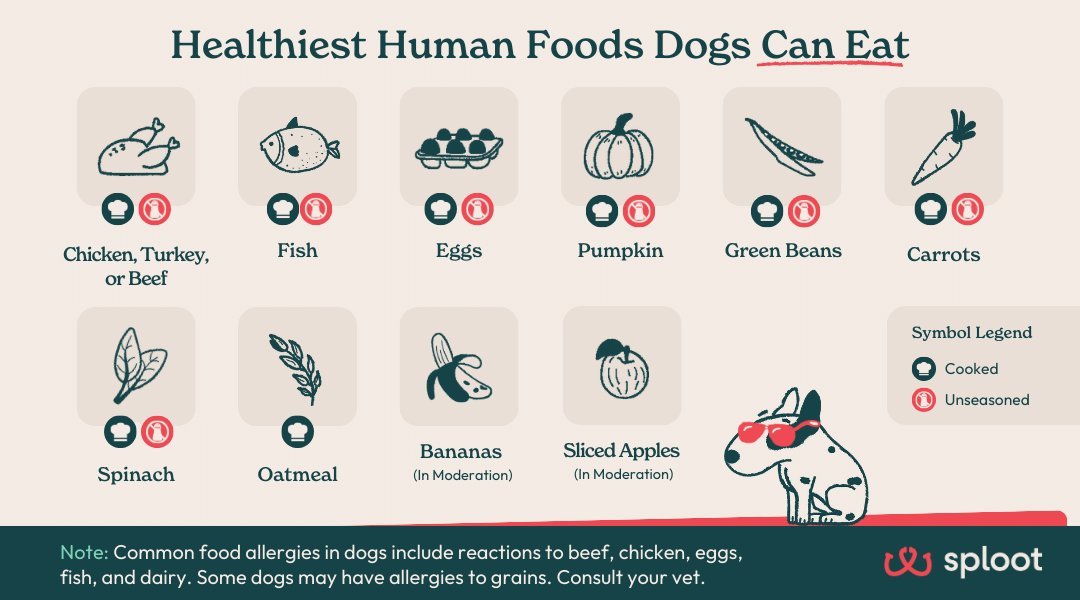
Treats should never account for more than 10% of your dog’s total daily caloric intake. Use treats for training reinforcement, but opt for healthy choices like thin slices of apple, green beans, or small pieces of plain cooked chicken rather than processed snacks filled with artificial colors and preservatives.
Pro Tip: Use a portion of your dog’s daily kibble allotment for training sessions throughout the day. This prevents overfeeding while still rewarding your dog for good behavior.
Monitoring Your Dog’s Weight

Weight management is the most effective way to extend your dog’s lifespan. You should be able to feel your dog’s ribs without pressing hard, and they should have a visible “waist” when viewed from above. If your dog begins to look rounded or you can’t feel their ribs, consult your veterinarian to adjust their daily portions immediately.
Frequently Asked Questions
Can dogs eat human food safely?
Some human foods are safe and healthy, such as plain cooked chicken, carrots, and plain rice. However, many human foods contain seasonings, garlic, onions, or xylitol, which are highly toxic to dogs. Always research specific foods before offering them, and keep human meal scraps away from your pet to avoid accidental ingestion of harmful ingredients.
Should I switch my dog’s food?
You should only switch your dog’s food if there’s a medical reason or if they’re transitioning between life stages. If a change is necessary, do it gradually over 7–10 days. Start by mixing 25% new food with 75% old food, slowly increasing the ratio of new food to prevent gastrointestinal upset like vomiting or diarrhea.
Why does my dog eat grass?
Eating grass is a common behavior and usually doesn’t indicate a nutritional deficiency. Some dogs eat it because they enjoy the texture or taste, while others may do it if they have an upset stomach. As long as the grass hasn’t been treated with pesticides or fertilizers, occasional consumption is generally considered harmless for most healthy dogs.
How do I know if the food is high quality?
Look for a statement on the packaging from the Association of American Feed Control Officials (AAFCO). This ensures the diet meets established nutritional standards for the specific life stage listed. Additionally, prioritize brands that conduct feeding trials rather than just laboratory analysis, as this proves the nutrients are bioavailable and safe for consumption over long periods.
Providing your dog with a consistent, high-quality diet is the single most important investment you can make in their long-term health and vitality. By monitoring their weight, selecting nutrient-dense ingredients, and avoiding toxic human foods, you set the foundation for a vibrant life. Schedule a check-up with your local veterinarian to finalize a specific nutritional plan tailored to your dog’s unique needs.