

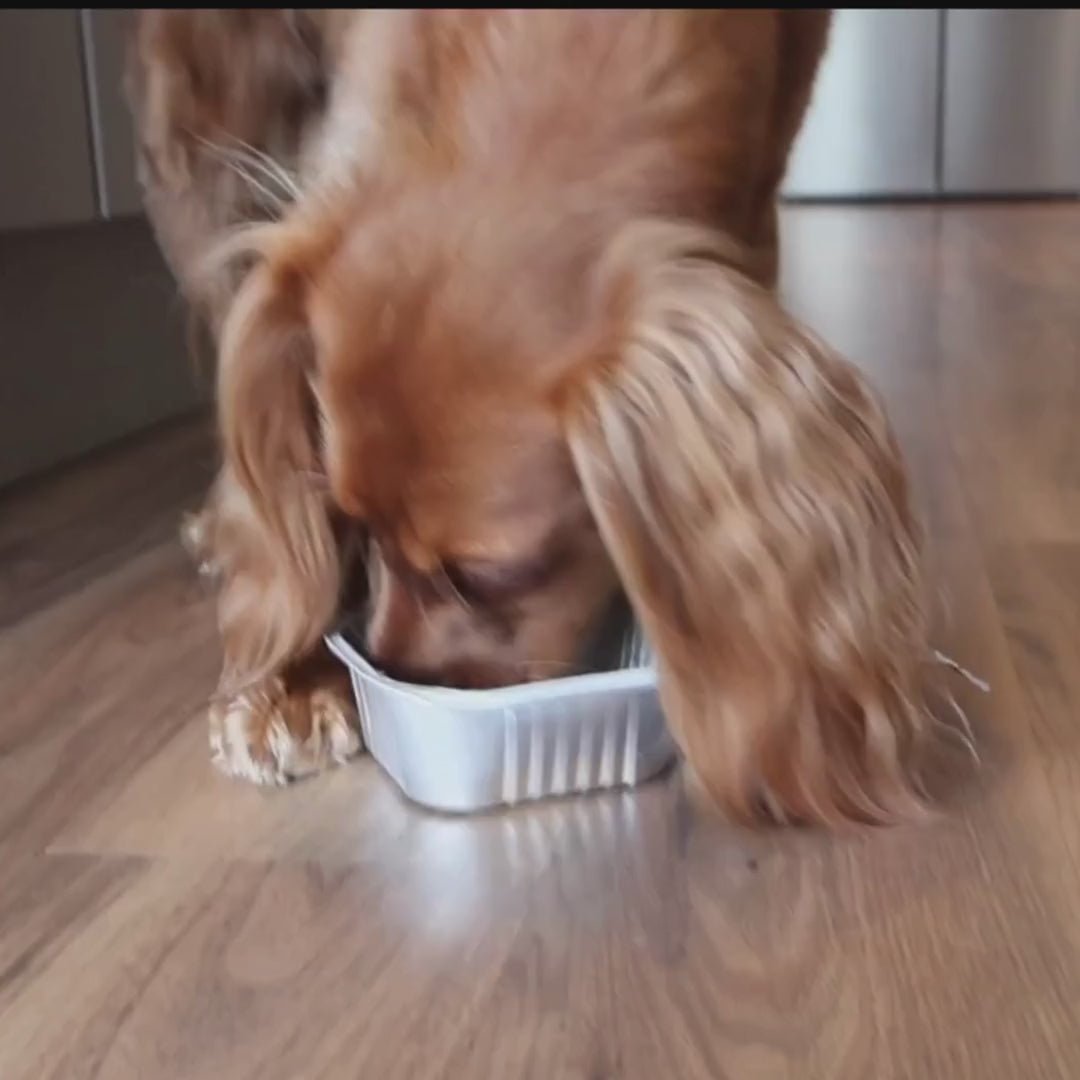
Fresh, high-protein meat like cooked beef or chicken is widely considered the tastiest food for dogs because of its strong natural aroma and texture. While commercial kibble is convenient, most dogs show a clear preference for moist, animal-based proteins over dry, plant-heavy processed alternatives.
The primary factor determining if a dog enjoys a meal is the scent, as their sense of smell is significantly more powerful than their sense of taste. A common mistake is assuming that dogs prefer variety in the same way humans do, which often leads to constant food switching and unnecessary digestive upset.
Making the tastiest food for your dog

- Cook lean proteins like chicken breast, turkey, or lean ground beef until they reach an internal temperature of 165°F to ensure all harmful bacteria are destroyed.
- Remove all bones, skin, and excess fat, as these can cause choking or severe health issues like pancreatitis in sensitive dogs.
- Mix the meat with a small amount of plain, cooked brown rice or sweet potato if your dog needs extra fiber for digestion.
- Cool the food to room temperature before serving, as extremely hot food can burn a dog’s sensitive mouth.
- Store any leftovers in an airtight container in the refrigerator for no more than 3 days to prevent bacterial growth.
Tip: Always introduce new protein sources slowly over 7 days to avoid vomiting or diarrhea. If you’re unsure about specific dietary needs for your breed, consult your local veterinarian before changing their primary diet.
Time requirements for meal preparation
Preparing fresh food takes longer than pouring kibble, but it allows for better control over ingredients. The following table assumes you’re cooking a single serving for a medium-sized dog.
| Situation | How long | What changes it | What to watch for |
|---|---|---|---|
| Boiling chicken | 15–20 minutes | Size of pieces | Water levels |
| Pan-searing beef | 8–12 minutes | Thickness of meat | Even browning |
| Steaming vegetables | 5–7 minutes | Fresh vs. frozen | Crispness |
If your prep time consistently exceeds these windows, check that your stove temperature is set to medium-high rather than low.
Identifying when the food is ready

You can tell the food is ready by observing the texture and ensuring the meat is no longer pink in the center.
Use a digital meat thermometer to confirm the 165°F threshold for poultry and ground meats. Insert the probe into the thickest part of the muscle, avoiding bone or fat pockets which can provide false readings.
If you’re cooking a whole cut of beef, the surface should be firm to the touch rather than soft or squishy. Never rely on color alone, as juices should run clear rather than pink.
The biggest mistake is pulling meat too early based on visual cues alone. This often leaves dangerous pathogens alive. If the internal temperature is below 165°F, keep cooking. If it hits 165°F, it’s safe.
Common feeding mistakes
- Adding seasoning: Ingredients like onion, garlic, or excessive salt are toxic to dogs and can cause severe anemia or kidney strain. Always keep meals plain, using only water for poaching or steaming.
- Overfeeding treats: Giving too many extra snacks ruins a dog’s appetite for their main, balanced meal. Limit treats to 10% of your dog’s total daily caloric intake to prevent obesity.
- Using raw meat: While some owners prefer raw diets, the risk of Salmonella or Listeria is significant for both the dog and the human household. Always cook meat thoroughly to eliminate pathogen risks.
Frequently asked questions
Can dogs eat human food every day?
Yes, dogs can eat human-grade food daily if it’s prepared in a balanced way that meets their specific nutritional requirements. You must ensure the meals contain the right balance of protein, healthy fats, and carbohydrates, as human food alone often lacks essential vitamins like taurine or calcium needed for long-term health.
How long can I keep cooked dog food in the fridge?
You can keep cooked food for up to 3 days when stored in an airtight container at or below 40°F. If you prepare larger batches, freeze individual portions immediately after cooling and thaw them in the refrigerator overnight to maintain the best quality and safety for your pet.
Why does my dog refuse to eat?
Your dog may refuse food due to stress, dental pain, or a sudden change in diet that upsets their stomach. If a dog skips more than two consecutive meals or shows signs of lethargy, it’s a clear signal to contact your veterinarian to rule out underlying medical issues or illness.
Is it safe to feed dogs cooked bones?
No, it’s never safe to feed dogs cooked bones because they become brittle and can splinter into sharp shards. These fragments pose a high risk of puncturing the digestive tract or causing severe intestinal blockages that often require emergency surgery to remove.
How much protein should a dog eat?
A healthy dog typically needs about 1 gram of protein per pound of body weight daily, though this varies based on their age and activity level. You should check with your vet to determine the exact caloric needs for your specific dog, as high-energy breeds require more fuel than sedentary ones.
Conclusion
Providing the right food is about consistency and safety rather than finding the most expensive ingredients. Always prioritize plain, cooked proteins and consult your vet before making major changes to your dog’s routine to ensure they stay healthy for years to come.