
Feeding your dog a balanced, species-appropriate diet requires prioritizing high-quality proteins, healthy fats, and essential vitamins while avoiding harmful human foods. Dogs are omnivores that thrive on a mix of animal-based nutrients and controlled amounts of plant-derived energy. Finding the right nutritional balance depends on your dog’s age, activity level, and underlying health conditions, but most healthy adult dogs require between 25 and 40 calories per pound of body weight daily.
Key Takeaways
- Always prioritize high-quality protein sources like chicken, beef, or fish as the primary ingredient.
- Consult your veterinarian before making significant dietary changes, especially for puppies or seniors.
- Avoid toxic household items like chocolate, onions, garlic, and grapes at all times.
- Monitor your dog’s body condition score to adjust portion sizes and prevent canine obesity.
- Ensure constant access to clean, fresh water to support digestion and metabolic function.
What Should We Feed Dogs?
To maintain optimal health, dogs require a specific profile of amino acids, fatty acids, and minerals. Commercial diets labeled as “complete and balanced” have been formulated to meet these standards. When selecting food, look for a statement from the Association of American Feed Control Officials verifying the product meets nutritional requirements for your dog’s specific life stage.
The Role of Protein
Protein is the building block of your dog’s muscles, skin, and coat. You should seek out labels where whole meat—not meat meal—is the first ingredient. High-quality sources include:
- Deboned chicken or turkey.
- Lean ground beef.
- Salmon or whitefish.
- Organ meats like liver or heart.
Dry Kibble Versus Wet Food
Many owners wonder if dry, wet, or a combination is best. Both options can be nutritious, but they serve different purposes depending on your lifestyle and your dog’s preferences.
| Food Type | Pros | Cons |
|---|---|---|
| Dry Kibble | Affordable, shelf-stable, helps dental health | Lower moisture content, less palatable |
| Wet Food | High hydration, highly palatable | Expensive, shorter shelf life once opened |
| Fresh Food | Human-grade ingredients, high digestibility | Requires refrigeration, higher cost |
Can Dogs Eat Human Food?
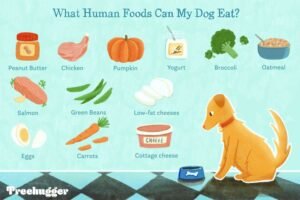
While some human foods are safe as occasional treats, others are dangerous. It’s vital to distinguish between “safe” and “nutritious.”
Pro Tip: Use small pieces of plain, steamed vegetables like carrots or green beans as healthy, low-calorie training rewards.
Safe Human Foods
- Plain cooked pumpkin (great for digestion).
- Blueberries or strawberries.
- Cooked sweet potatoes.
- Plain, boiled chicken breast.
Toxic Human Foods
- Xylitol (birch sugar) found in sugar-free gum.
- Onions, garlic, and chives.
- Grapes and raisins.
- Macadamia nuts and chocolate.
Establishing A Feeding Schedule
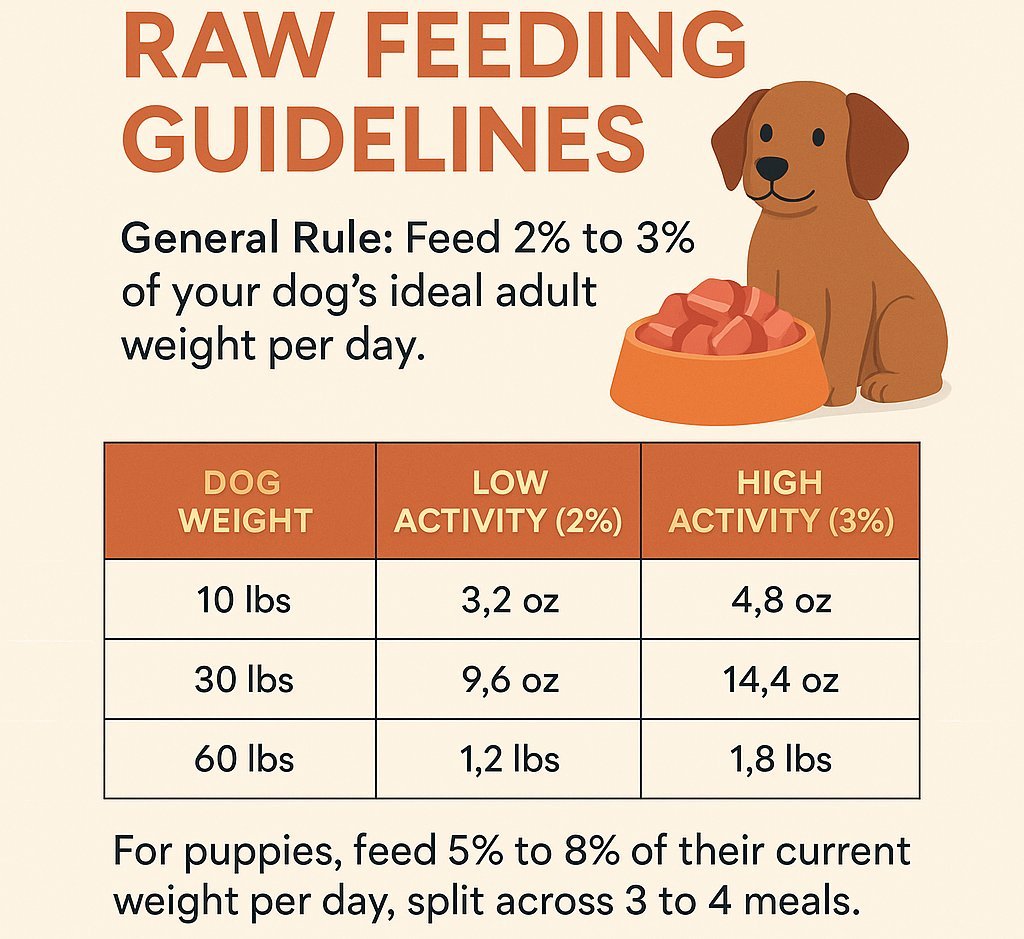
Consistency is key to managing your dog’s digestion and weight. Most adult dogs do well with two meals per day, while puppies often require three or four smaller portions to maintain blood sugar levels.
| Life Stage | Daily Meal Frequency | Portioning Strategy |
|---|---|---|
| Puppy (2–6 months) | 3–4 meals | Follow growth chart on packaging |
| Adult (1–7 years) | 2 meals | Based on metabolic activity level |
| Senior (7+ years) | 1–2 meals | Calorie-restricted for lower activity |
Managing Canine Weight Issues
Obesity is a major health crisis for pets. A simple way to check your dog’s status is the “rib test.” You should be able to feel the ribs easily under a thin layer of fat. If you can’t feel them, reduce the daily portion by 5-10% or increase exercise.
Warning: Never feed your dog table scraps while you’re eating, as this encourages begging behavior and leads to excessive, unmeasured caloric intake.
Reading The Nutrition Label
Don’t be fooled by marketing buzzwords like “natural” or “premium.” The most important part of the package is the guaranteed analysis panel. This provides the minimum or maximum percentages of crude protein, fat, fiber, and moisture. Always ensure the food is formulated for the specific life stage of your pet.
Identifying Quality Ingredients
- Animal Protein: Should be the first ingredient listed.
- Healthy Fats: Look for fish oil or flaxseed for Omega-3 fatty acids.
- Complex Carbohydrates: Brown rice, oats, or barley are better than simple fillers.
- Avoid By-products: Try to choose brands that name the specific meat source.
Frequently Asked Questions
Is raw food better?
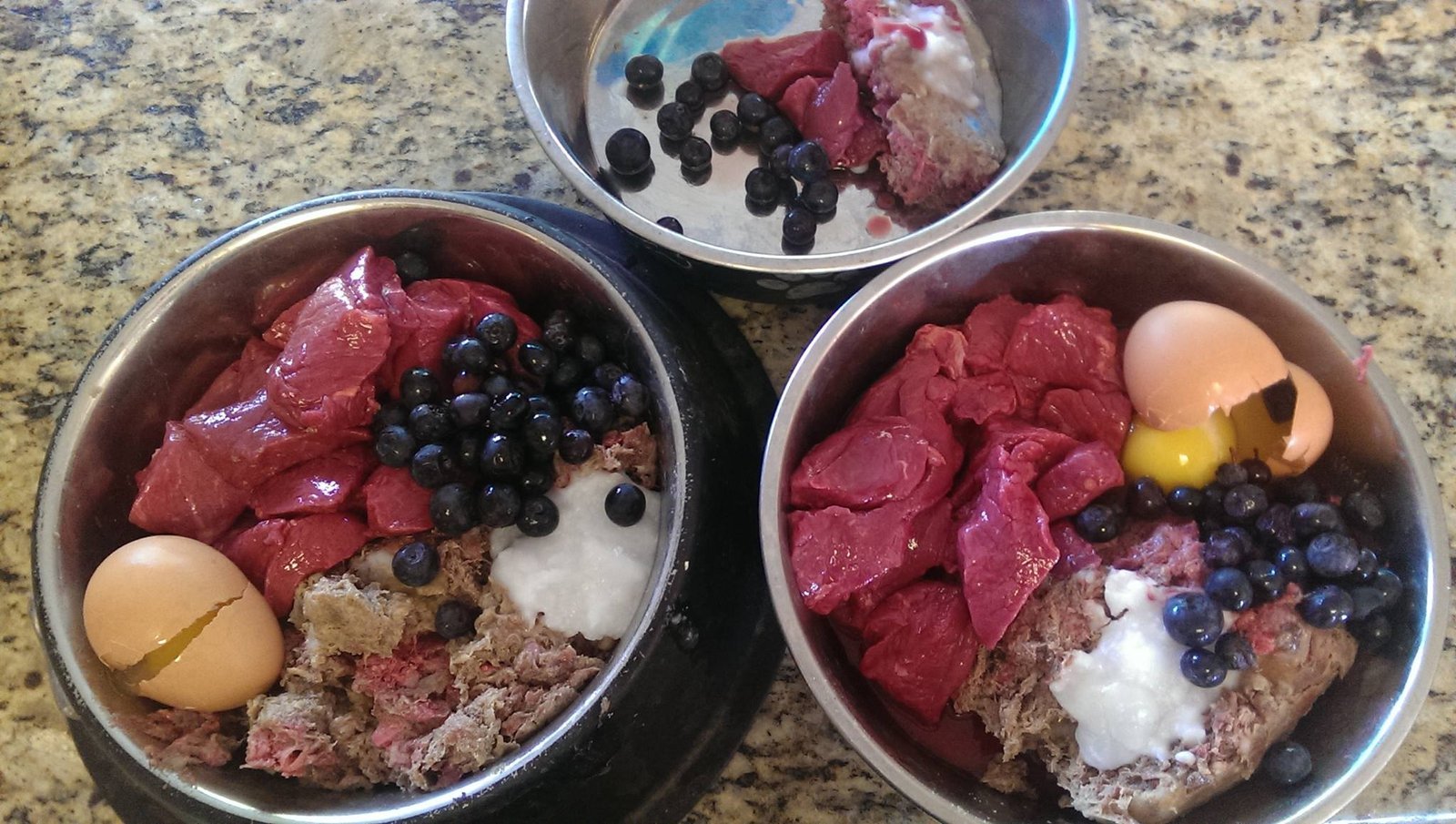
Raw diets are a subject of debate among veterinarians. While some owners report shinier coats, the risk of bacterial contamination like Salmonella and E. coli is significantly higher. If you choose this path, you must handle raw meat with extreme caution to protect both the dog and your family members from foodborne illnesses.
How much water is enough?
Dogs generally need one ounce of water for every pound of body weight per day. Factors like hot weather, heavy exercise, or a diet high in dry kibble will increase this requirement. Always provide clean water in a stainless steel or ceramic bowl to prevent bacteria buildup.
Why does my dog eat grass?
Many dogs graze on grass as a natural behavior, sometimes to soothe an upset stomach or simply because they enjoy the texture. As long as the grass hasn’t been treated with pesticides or fertilizers, occasional snacking is usually harmless. However, if your dog is eating grass compulsively, consult a veterinarian to rule out underlying nutritional deficiencies.
Should I use supplements?
Most dogs on a high-quality, balanced commercial diet don’t require extra supplements. Adding vitamins or minerals without a recommendation can cause toxicity or imbalances. Only use supplements like glucosamine for joint health or omega-3s for skin if your veterinarian has diagnosed a specific need that requires intervention.
Can dogs be vegetarians?
Dogs are biologically omnivores and can technically survive on a vegetarian diet if it’s scientifically formulated to meet all amino acid requirements. However, it’s very difficult to achieve this balance at home. If you want to feed a plant-based diet, you must use a veterinarian-approved commercial brand to avoid dangerous deficiencies in taurine or L-carnitine.
Start by reviewing your dog’s current weight and energy levels to determine if their existing food is truly appropriate for their unique needs. If you decide to switch brands, always transition slowly over seven to ten days by mixing the new food with the old, gradually increasing the ratio to prevent digestive upset.