
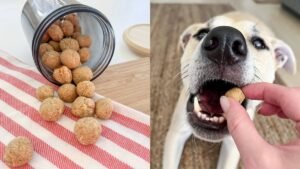
The most appealing and what is considered the tastiest food for dogs is high-protein wet food, specifically formulas containing fresh meat like beef, chicken, or lamb. These options have strong aromas and rich textures that naturally trigger a dog’s appetite more effectively than dry, processed kibble.
Dogs rely heavily on their sense of smell to decide what they want to eat. Wet food retains more moisture and aromatic oils, which makes it much more fragrant than dry food. This is especially helpful for older dogs who may have a reduced sense of smell or taste.
The most important factor is the nutritional balance of the diet. While your dog might love high-fat treats or table scraps, these can lead to serious health problems like pancreatitis. Always ensure the food you choose is labeled as “complete and balanced” for your dog’s specific life stage. The biggest mistake owners make is adding too many human food toppers, which can unbalance a carefully formulated diet and lead to picky eating habits.
Making the tastiest food for your dog

- Warm the food slightly to release more aromas, which encourages a dog to eat.
- Mix a small amount of warm water into the food if it’s too thick or dry.
- Check the internal temperature of any meat-based toppers; they should be cooked to at least 165°F to ensure they’re safe for consumption, as noted by the USDA Food Safety and Inspection Service.
- Remove any uneaten wet food after 2 hours to prevent bacterial growth.
- Store opened cans in the refrigerator for no more than 3 days to maintain freshness.
Tip: If your dog refuses to eat, don’t force them. If they skip more than two meals, consult your veterinarian immediately as this could signal an underlying illness.
Timing and Meal Factors
The time it takes for a dog to finish a meal varies based on their size, the type of food, and their specific appetite.
| Situation | Average Time | What changes it | What to watch for |
|---|---|---|---|
| Small breed puppy | 3-5 minutes | Metabolism speed | Rapid eating/bloating |
| Large active adult | 1-2 minutes | Exercise levels | Choking or gulping |
| Senior dog | 5-10 minutes | Dental health | Slow chewing habits |
| Picky eater | 15+ minutes | Food temperature | Leaving food out |
If a meal consistently takes longer than 20 minutes to finish, the food might not be palatable or the dog may have dental pain.
Signs of a Satisfied Dog
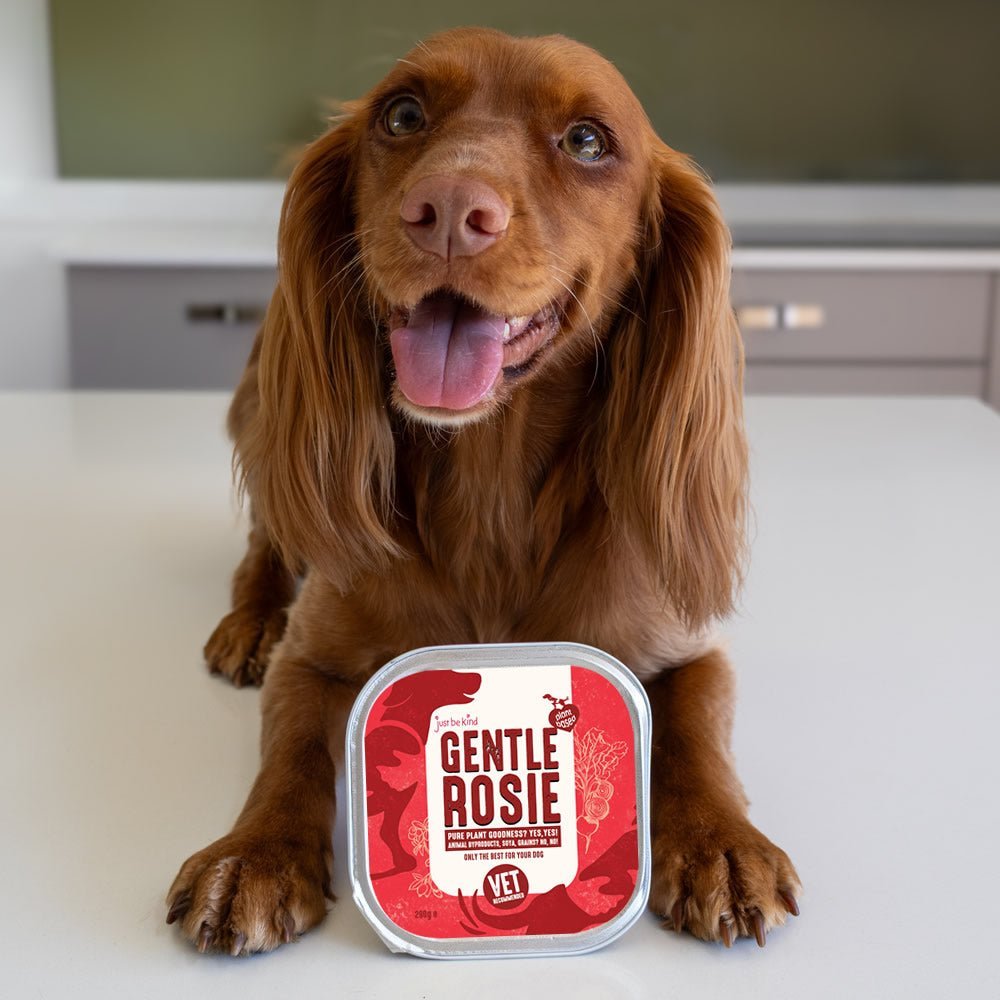
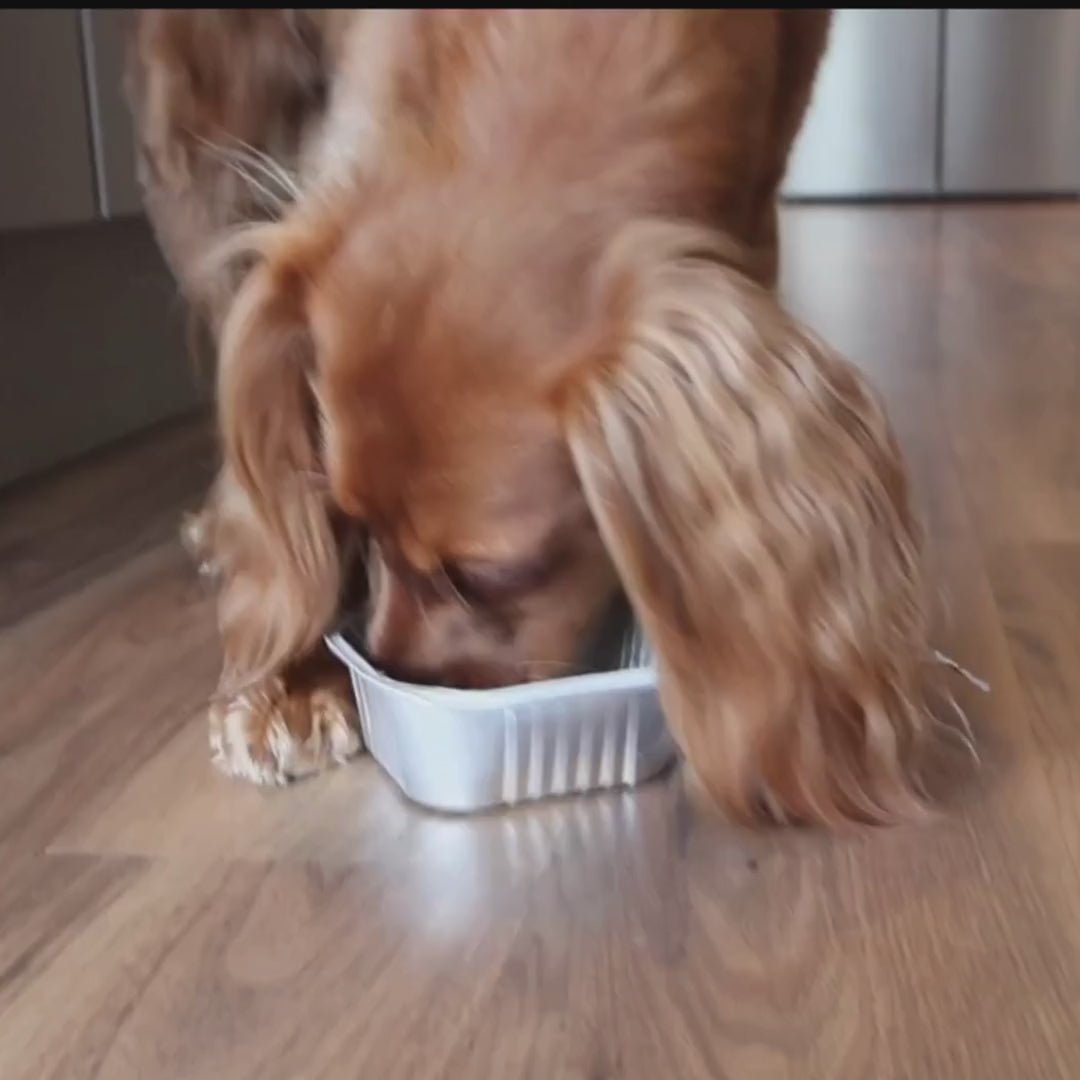
You can tell if a dog enjoys their food by watching their behavior during and after the meal. A happy eater will show enthusiasm when the bowl is presented and will lick the bowl clean. They should also maintain a healthy energy level and consistent stool quality. If a dog turns their head away, nudges the bowl, or leaves food behind, they likely find the flavor or texture unappealing. The ultimate test of palatability is whether the dog chooses to eat the food willingly without needing coaxing or human interaction.
Errors That Spoil Mealtime
- Overfeeding human scraps: Giving too much table food creates an imbalance in essential nutrients and often leads to obesity. Stick to high-quality commercial diets and reserve extras for occasional training rewards.
- Changing food too quickly: Switching brands abruptly causes digestive upset, which makes a dog associate mealtime with discomfort. Introduce new foods gradually by mixing them with the old diet over 7 days.
- Leaving food out all day: Leaving wet food in the bowl encourages bacteria growth and allows the food to dry out, losing its aroma. Always remove uneaten portions to keep the feeding area sanitary and the food fresh.
- Ignoring storage needs: Keeping food in a hot area degrades the fats and oils that provide the flavor. Store all pet food in a cool, dry place to keep it fresh for as long as possible.
Frequently asked questions
Can I feed my dog raw meat?
Feeding raw meat carries significant risks of bacterial contamination, such as Salmonella and Listeria, which can affect both pets and humans. The safest way to provide high-protein nutrition is through commercially prepared, heat-treated wet foods that provide complete and balanced nutrition for your dog’s life stage.
How much wet food should my dog eat?
The amount of food depends on your dog’s current weight, age, and activity level. Check the feeding guidelines on the back of the specific product label, as calorie counts vary greatly between brands. Adjust these amounts based on your veterinarian’s advice to ensure your dog maintains a healthy weight.
Why does my dog prefer human food?
Dogs prefer human food because it’s often higher in fat and salt, which are intense flavor enhancers. While these foods are tasty, they aren’t formulated for canine digestion and can lead to long-term health issues. Keep human food away from your dog to encourage them to eat their own diet.
Is it safe to add broth to dog food?
You can add a small amount of plain, salt-free, and onion-free beef or chicken broth to make dry food more appealing. Ensure the product contains no garlic or onion powder, as these are toxic to dogs. Always check the ingredients list on the label before adding any human-grade liquid.
How long can wet food sit out?
Wet food shouldn’t sit out for longer than 2 hours. After this time, the food begins to lose its moisture and appeal, and it becomes a breeding ground for bacteria. If your dog hasn’t finished their portion within this window, remove the bowl and discard the remains.
What happens if my dog only eats one type of food?
Eating only one type of food is generally fine if it’s nutritionally complete. Many dogs thrive on a consistent diet, and rotating foods isn’t strictly necessary unless your veterinarian recommends it. If your dog is healthy and maintains a good weight, there’s no reason to change their food.
Conclusion
Providing high-quality, fragrant wet food is a simple way to make mealtime more enjoyable for your dog. By focusing on balanced nutrition and avoiding common mistakes like overfeeding table scraps, you help your dog stay healthy while keeping their appetite satisfied. Always monitor your dog’s weight and behavior, and speak with your vet if you notice any sudden changes in their eating habits or overall health.