
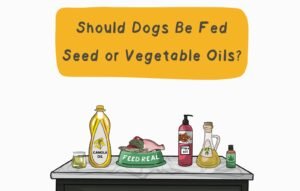
Dogs should be fed a balanced diet consisting of high-quality animal proteins, healthy fats, complex carbohydrates, and essential vitamins and minerals that meet their specific life stage and activity level. Providing nutrition that aligns with the guidelines set by the Association of American Feed Control Officials ensures your pet receives the necessary nutrients for long-term health. Owners typically spend between $30 and $150 per month on commercial dog food, depending on the brand, quality, and size of the animal.
Key Takeaways

- Always prioritize animal-based protein as the primary ingredient.
- Match food types to your dog’s specific age and size.
- Avoid toxic human foods like onions, grapes, and chocolate.
- Monitor your dog’s weight to prevent obesity-related health issues.
- Consult your veterinarian before starting any homemade diet plans.
What Should Dogs Be Fed?
At the core of a dog’s diet must be high-quality protein, such as chicken, beef, lamb, or fish. These proteins provide the amino acids required for muscle maintenance and immune health. While dogs are omnivores capable of digesting some plant matter, their digestive tracts are optimized for animal-based nutrition. Fats are equally important, providing the dense energy needed for daily activities and supporting skin and coat health.
Understanding Macronutrient Balance
A balanced canine diet relies on the correct ratio of nutrients. Proteins build tissues, carbohydrates provide immediate energy, and fats support cellular function.
| Nutrient Type | Primary Function | Common Sources |
|---|---|---|
| Protein | Muscle Growth | Chicken, Beef, Fish |
| Fats | Energy/Coat Health | Salmon Oil, Flaxseed |
| Carbohydrates | Digestive Health | Brown Rice, Sweet Potato |
Which Food Formats Are Best?
Choosing between food types depends on your budget, lifestyle, and your dog’s preferences. Many owners choose a combination of formats to suit their needs.
- Dry Kibble: Convenient, shelf-stable, and helps reduce tartar buildup on teeth.
- Wet Canned Food: High moisture content, palatable for picky eaters, and often lower in carbohydrates.
- Fresh/Frozen: Minimally processed options that offer high nutrient bioavailability but require freezer space.
- Freeze-Dried: Combines the convenience of kibble with the nutritional profile of raw ingredients.
How Much Should Dogs Eat?
The daily intake depends on your dog’s breed, age, and metabolic rate. A puppy requires much higher caloric density than a senior dog.
| Dog Weight | Daily Calorie Range | Feeding Frequency |
|---|---|---|
| Small (5-20 lbs) | 200 – 600 kcal | 2 meals per day |
| Medium (21-50 lbs) | 600 – 1200 kcal | 2 meals per day |
| Large (51+ lbs) | 1200 – 2000+ kcal | 2 meals per day |
Pro Tip: Always use a standard measuring cup or a digital scale to ensure portion accuracy, as even a small “extra” scoop can lead to weight gain over time.
Ingredients To Always Avoid
Certain human foods are dangerous or even lethal to dogs. Keep these items strictly out of reach to prevent emergency vet visits.
- Xylitol: An artificial sweetener found in sugar-free gum that causes rapid insulin release.
- Grapes and Raisins: Known to cause sudden kidney failure in some dogs.
- Onions and Garlic: Can damage red blood cells, leading to anemia.
- Chocolate: Contains theobromine, which is toxic to the canine heart and nervous system.
Does My Dog Need Supplements?
Most high-quality, commercially prepared foods are already “complete and balanced.” Adding supplements without guidance can cause nutritional imbalances. However, some dogs benefit from specific additives under veterinary supervision.
- Glucosamine/Chondroitin: Beneficial for older dogs with joint stiffness.
- Omega-3 Fatty Acids: Often recommended for dogs with dry skin or dull coats.
- Probiotics: Can help dogs with sensitive stomachs or those recovering from illness.
How to Handle Sensitive Stomachs
If your dog experiences frequent vomiting, diarrhea, or gas, they may require a specialized diet. Start by selecting a limited ingredient diet which reduces the number of potential allergens. Transitioning to a new food should always be done slowly over seven to ten days, gradually increasing the ratio of new food to old food to prevent digestive upset.
Warning: If your dog shows signs of severe lethargy, blood in their stool, or persistent refusal to eat, consult a professional immediately rather than attempting to change their food at home.
Monitoring Your Dog’s Health

Feeding isn’t just about the bowl; it’s about the results you see in your pet’s vitality. A healthy dog should have a visible waistline when viewed from above and a slight abdominal tuck when viewed from the side. If you can feel their ribs easily but can’t see them, they’re likely at an ideal weight. If their coat is shiny, their energy levels are consistent, and their stools are firm, their diet is likely working well for them.
Frequently Asked Questions
Can dogs eat raw meat?
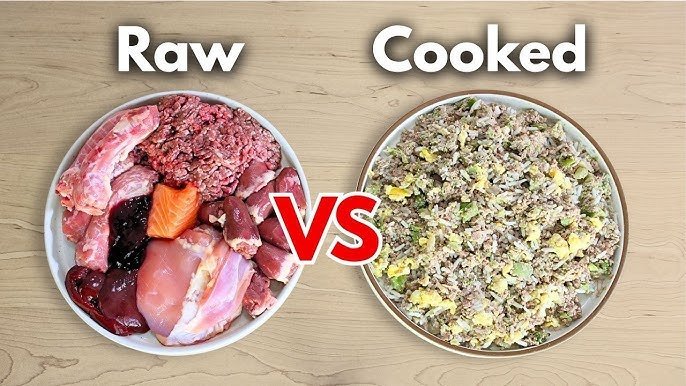
Feeding raw meat carries significant risks, including exposure to harmful bacteria like Salmonella and Listeria, which can affect both dogs and humans. While some owners prefer raw diets, most veterinary organizations advise against it due to these pathogen risks and the difficulty of achieving a nutritionally balanced profile at home. Always discuss this with your veterinarian before making a change.
How often should I feed my dog?
Most adult dogs thrive on two meals per day—one in the morning and one in the evening. This schedule helps regulate their metabolism and prevents hunger-related behaviors. Puppies, however, have higher metabolic needs and usually require three to four smaller meals daily to maintain steady blood sugar levels throughout their rapid growth phase.
Is grain-free food better?
There’s no scientific evidence that grain-free diets are superior for the average dog. Unless your dog has a medically diagnosed allergy to specific grains, whole grains like brown rice or oatmeal are excellent sources of energy and fiber. Always speak with your vet if you suspect your dog has a food sensitivity before switching to a grain-free alternative.
Can I feed my dog table scraps?
Table scraps are generally discouraged because they’re often high in fats, salt, and calories, which can lead to obesity and pancreatitis. If you want to offer treats, stick to dog-safe vegetables like carrots or green beans. These provide a satisfying crunch without the harmful additives found in human meals, keeping your dog within their recommended calorie limit.
Why is my dog eating grass?
Many dogs eat grass as a natural behavior, though it’s sometimes linked to dietary deficiencies or mild stomach discomfort. If your dog is eating grass excessively or seems distressed, it’s worth reviewing their current diet to ensure they’re getting enough fiber. If the behavior is new or extreme, a check-up is recommended to rule out underlying health issues.
Monitor your dog closely after any change in their diet, as individual reactions vary significantly between breeds and ages. If you notice persistent issues, keep a simple log of their intake and physical condition to share with your veterinarian during your next visit. Establishing a consistent feeding routine is the most effective way to support your dog’s long-term health and happiness.