
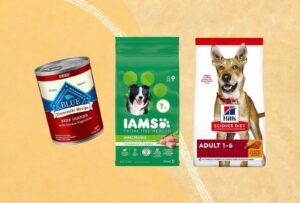
Dogs generally find wet, high-protein meat-based formulas to be the tastiest dog food, as their sense of smell and taste respond strongly to moisture and animal fats. While individual preferences vary, most dogs prefer options that mimic the scent and texture of fresh meat.
Finding the tastiest food for your dog
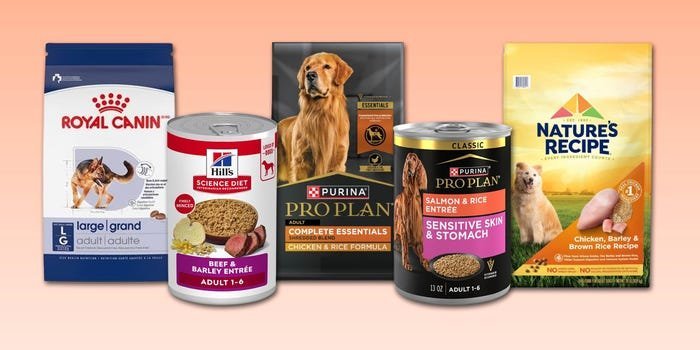
- Prioritize animal protein: Look for foods where meat, poultry, or fish is the first ingredient on the label.
- Check the moisture content: Wet canned food usually contains 70-80% water, which intensifies the aroma compared to dry kibble.
- Look for high fat content: Dogs are naturally drawn to fat, which provides both energy and flavor to their meals.
- Monitor eating speed: If your dog finishes a specific brand quickly, it’s a clear sign they enjoy the taste.
- Test small samples: Buy single cans or small trial bags before committing to large, expensive bulk purchases.
- Assess the texture: Some dogs prefer chunks in gravy, while others enjoy a smoother paté consistency.
Why dogs prefer specific food textures and scents
Dogs rely more on their sense of smell than their sense of taste when deciding what to eat. While humans have thousands of taste buds, dogs have significantly fewer, making the olfactory experience of a meal the primary factor in their enjoyment. A food that’s highly aromatic—usually due to higher moisture and fat content—will almost always be more appealing than a dry, shelf-stable product.
When you heat a wet meal slightly, you release more volatile compounds, which makes the scent stronger and more attractive to a picky eater. However, you must avoid making the food too hot, as this can burn their mouth. The Association of American Feed Control Officials sets the nutritional standards that all commercial pet foods sold in the United States must meet to ensure they’re safe for daily consumption. Always check the packaging to confirm the food meets these established life-stage requirements for your specific pet.
Factors that change a dog’s food preference
Photo: www.healthline.com on Google
| Situation | What changes | What to do instead |
|---|---|---|
| Senior dog | Reduced smell/taste | Add warm water or low-sodium broth |
| Puppy | High energy needs | Choose growth-specific, high-calorie formulas |
| Dental issues | Difficulty chewing | Use soft paté or moistened kibble |
| Sensitive stomach | Digestion speed | Select limited-ingredient, bland options |
| Picky eater | Aroma sensitivity | Mix a topper into dry food |
Steps to introduce a new flavorful food
- Start by mixing 25% of the new food with 75% of the old food to avoid digestive upset.
- Observe your dog for any signs of loose stool or gas during the first 48 hours of the transition.
- Increase the ratio to 50/50 on the third day if the dog shows no negative reaction to the new ingredients.
- Switch to 75% new food on the fifth day, keeping a close eye on their energy levels and coat condition.
- Move to 100% of the new food by the seventh day, provided the dog accepts the flavor and digests it well.
- Maintain the new diet for at least three weeks to see if it sustains their weight and activity level properly.
Common mistakes that ruin mealtime
- Switching too quickly: Changing brands overnight often leads to vomiting or diarrhea, which makes the dog associate the new food with feeling sick.
- Overfeeding toppers: Adding too many human food scraps or high-calorie treats can cause obesity and nutritional imbalances in the long term.
- Storing food improperly: Leaving wet food open in the fridge for more than 3 days allows bacteria to grow, which changes the flavor and safety.
- Ignoring the expiration date: Feeding expired kibble results in rancid fats that smell bad to dogs and lack necessary nutrients.
Frequently asked questions
Can I add water to dry kibble to make it tastier?
Yes, adding a small amount of warm water or low-sodium chicken broth to dry kibble enhances the aroma and softens the texture. Use about 1/4 cup of liquid per cup of food and serve it immediately so the kibble doesn’t become mushy or spoil.
Is it safe to feed my dog raw meat?
Feeding raw meat carries significant risks of bacterial contamination, such as Salmonella or Listeria, which can affect both the pet and the people in the home. Most veterinarians recommend sticking to commercially prepared, heat-processed foods that meet established safety standards to avoid these health hazards.
Why does my dog stop eating a food they liked before?
Dogs often lose interest in a specific flavor if they associate it with a stomach upset or if the bag has been open too long. If the food is fresh and the dog is otherwise healthy, try a different protein source to see if they prefer a new smell.
How long can wet dog food sit out?
Wet food shouldn’t sit out for more than 30-60 minutes at room temperature, as it dries out and risks bacterial growth. Once opened, store any leftover canned food in a sealed container in the refrigerator for no longer than 3 days.
Does the price of dog food indicate taste?
Price often reflects the quality of ingredients, but it doesn’t guarantee that your specific dog will enjoy the taste more. Expensive formulas may contain high-quality proteins that smell better to a dog, but some pets prefer the strong, savory scent of more affordable recipes.
What should I do if my dog refuses to eat?
A dog that refuses to eat for more than 24 hours should be taken to a veterinarian to rule out underlying illness or dental pain. If the dog is acting normal but just turning their nose up at food, they may simply be bored with the current flavor profile.
Conclusion
Providing a diet that matches your dog’s age, activity level, and flavor preference is the best way to ensure they get the nutrition they need. If you’re ever unsure about a specific brand or ingredient list, consult your local veterinarian to find an option that’s both safe and enjoyable for your pet.