

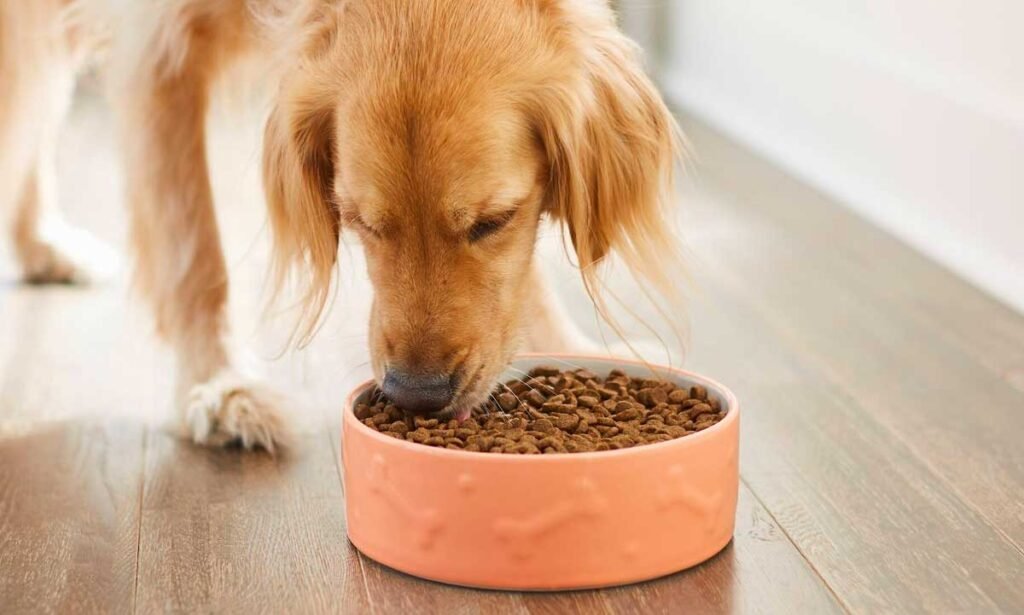
Your dog should eat a balanced, nutrient-dense diet formulated specifically for canines, consisting of high-quality proteins, healthy fats, and essential vitamins. Providing a diet that meets the standards set by the Association of American Feed Control Officials ensures your pet receives the necessary calories and minerals to maintain optimal health throughout its life stages.
Key Takeaways
- Always prioritize AAFCO-approved labels on commercial pet food packaging.
- Avoid feeding your dog common household items like onions, grapes, or chocolate.
- Measure portions carefully to prevent obesity and related metabolic health issues.
- Introduce new food types gradually over seven days to avoid digestive upset.
- Consult your veterinarian before making drastic changes to your dog’s diet.
What Should I Give My Dog?
Selecting the right food involves understanding your dog’s specific needs based on age, breed, and activity level. Most owners choose between dry kibble, wet canned food, or a combination of both. High-quality commercial diets are designed to be nutritionally complete, meaning they contain every element required for canine survival without the need for additional supplementation.
The Best Commercial Food Types
| Food Category | Primary Benefit | Best For |
|---|---|---|
| Dry Kibble | Dental health/Convenience | Budget-conscious owners |
| Wet Canned | Hydration/Palatability | Picky eaters/Seniors |
| Freeze-Dried | Nutrient retention | Active or working breeds |
| Fresh Delivery | Transparency/Quality | Sensitive stomachs |
Safe Human Foods for Dogs
While commercial food is the gold standard, many dogs enjoy small amounts of fresh, whole foods as treats. Stick to plain, cooked, or raw options without added salts, sugars, or spices. Always remove pits, seeds, and stems, as these can pose a significant choking hazard or contain toxic compounds.
- Carrots (raw or steamed)
- Blueberries (fresh or frozen)
- Cooked plain chicken breast
- Pumpkin (pureed, no additives)
- Green beans (unsalted)
Foods That Are Strictly Toxic
Some everyday kitchen items are dangerous to dogs even in small quantities. If you suspect your dog has ingested these, contact an emergency veterinarian immediately. The FDA animal health guidelines provide a comprehensive list of substances that can cause kidney failure, anemia, or neurological damage.
- Onions and garlic
- Grapes and raisins
- Chocolate and caffeine
- Macadamia nuts
- Xylitol (artificial sweetener)
How to Establish Feeding Schedules
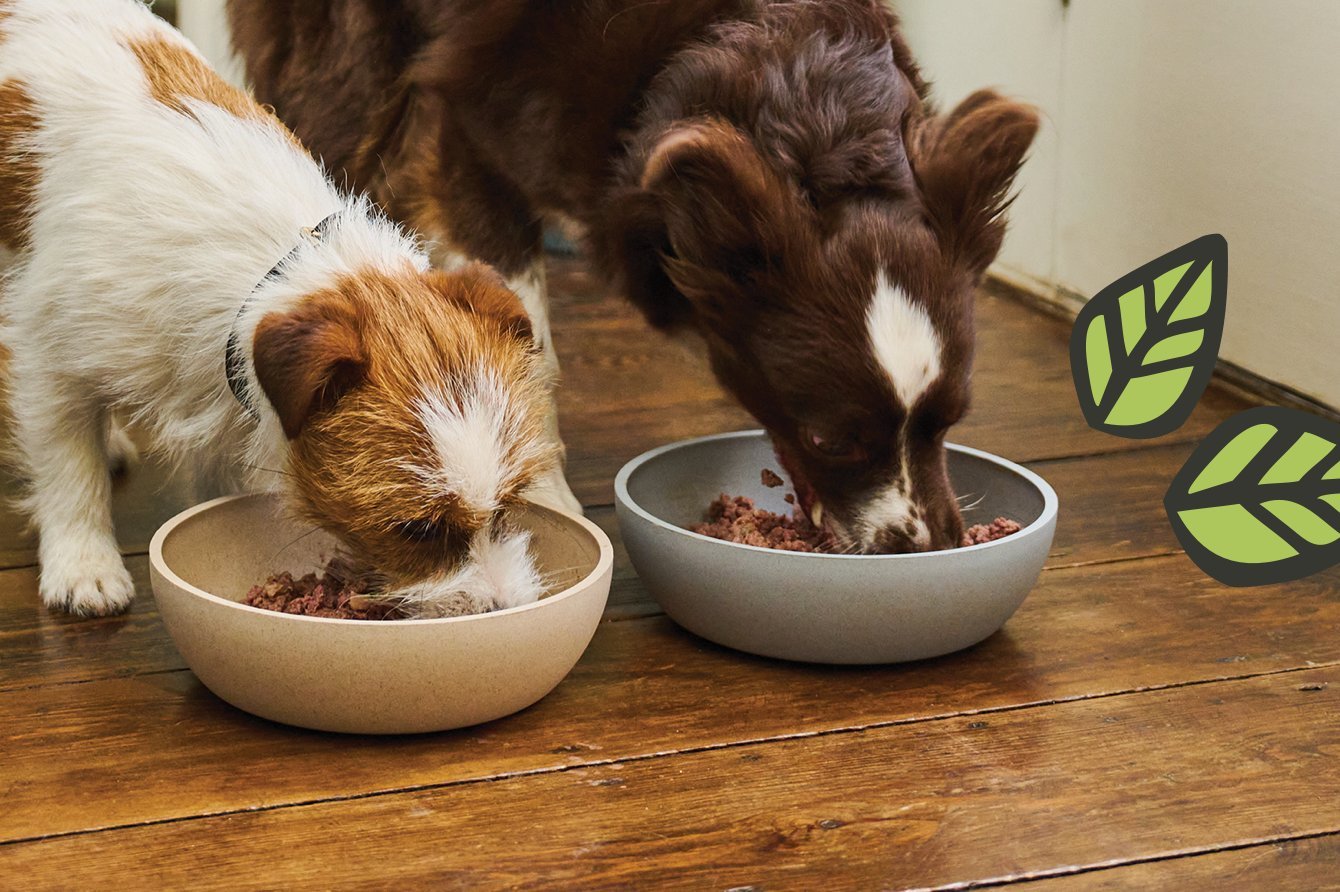
Consistency helps regulate your dog’s metabolism and digestion. Puppies generally require three to four meals per day, while most adult dogs thrive on two meals—one in the morning and one in the evening. Using a consistent schedule also makes it easier to monitor your dog’s appetite, which is often the first indicator of illness.
Can I Feed My Dog Raw?
The raw food debate centers on the potential for bacterial contamination versus the perceived benefits of a natural diet. If you choose a raw approach, you must handle meat with strict hygiene to prevent the spread of salmonella or E. coli to your household members. Balanced raw diets require careful planning to ensure correct calcium-to-phosphorus ratios.
Portion Control and Healthy Weight
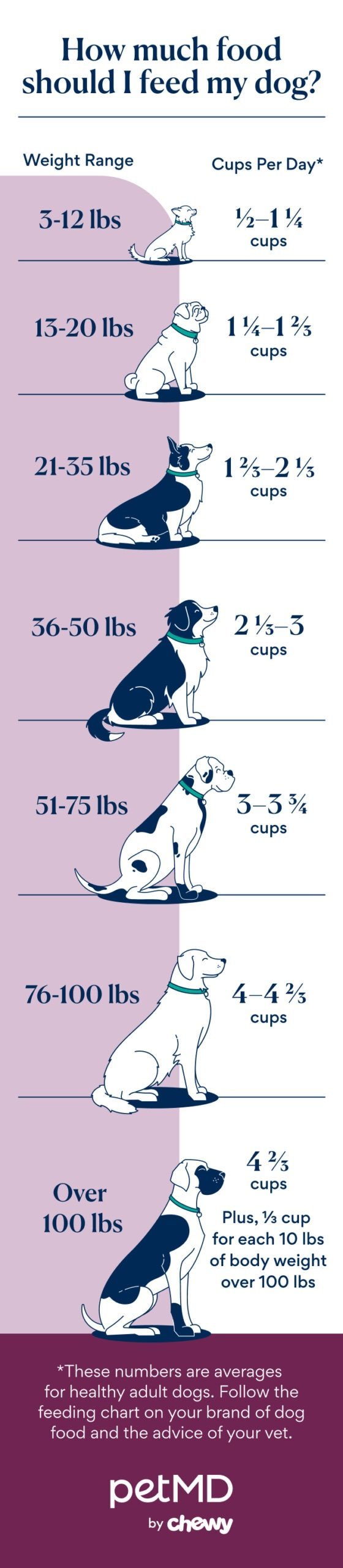
Obesity is a leading cause of joint pain and diabetes in pets. Use your dog’s body condition score to determine if they’re at an ideal weight. If you can feel their ribs without a thick layer of fat, they’re likely in good shape. Always refer to the feeding guidelines on the package as a starting point, then adjust based on your dog’s metabolism.
Choosing High-Quality Ingredients
Look for whole proteins like chicken, beef, or salmon as the first ingredient on the label. Avoid foods that rely heavily on fillers like corn gluten meal or excessive soy, which may not provide the same bioavailable protein as animal-based sources. Transparency from the manufacturer regarding their sourcing and testing protocols is a hallmark of a reputable brand.
How to Transition Diets Safely
Never switch your dog’s food overnight, as this often leads to vomiting or diarrhea. Use a gradual transition method to allow your dog’s gut microbiome to adapt to the new nutritional profile.
- Days 1-2: 75% old food, 25% new food
- Days 3-4: 50% old food, 50% new food
- Days 5-6: 25% old food, 75% new food
- Day 7: 100% new food
Pro Tip: Managing Treats
Warning: Treats should never exceed 10% of your dog’s total daily caloric intake. Use small pieces of kibble or chopped vegetables as training rewards to avoid excess weight gain.
Frequently Asked Questions
Can dogs eat peanut butter?
Yes, but only if it contains no xylitol. Many commercial peanut butters use this sweetener, which is highly toxic to dogs. Always check the label for “xylitol” or “birch sugar.” If it’s just peanuts and perhaps a little salt, it’s a safe, protein-rich treat in moderation.
How much water should they drink?
Dogs should have constant access to fresh, clean water. On average, a healthy dog consumes about one ounce of water per pound of body weight daily. Factors like heat, exercise, and the moisture content of their food will influence this number. If you notice a sudden, dramatic increase or decrease in water intake, consult your veterinarian.
Is grain-free food better?
There’s no clinical evidence that grain-free diets are inherently superior for the average dog. Unless your veterinarian has diagnosed a specific grain allergy, high-quality grains like brown rice or oatmeal are excellent, digestible sources of energy and fiber for most canines.
Should I use supplements?
Most healthy dogs on a complete and balanced commercial diet don’t require extra supplements. Adding vitamins or minerals without a recommendation can lead to toxicity, especially with fat-soluble vitamins. Only add supplements like glucosamine or fish oil if your veterinarian suggests them for specific conditions like arthritis or dry skin.
What if my dog refuses food?
A dog skipping one meal is usually not an emergency, especially if they’re otherwise acting normal. However, if your dog refuses food for more than 24 hours or shows symptoms like lethargy, vomiting, or diarrhea, take them to the vet. Sudden appetite loss can be a sign of dental pain, internal illness, or stress.
To ensure your dog lives a long and healthy life, start by evaluating their current body condition and reviewing the ingredient labels on their food bag today. If you notice any concerning changes in their weight or energy levels, schedule a checkup with your local veterinarian to discuss a tailored nutrition plan that supports their specific physiological needs.