
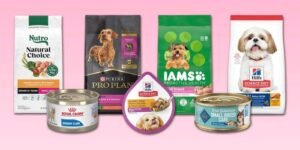
Feeding a complete commercial diet matched to your pet’s life stage is the best way to ensure your dog receives optimal nutrition. Look for a formal nutritional adequacy statement on the bag, because homemade meals often lack essential trace minerals like zinc and iodine.
Choosing the Best Food for Your Dog
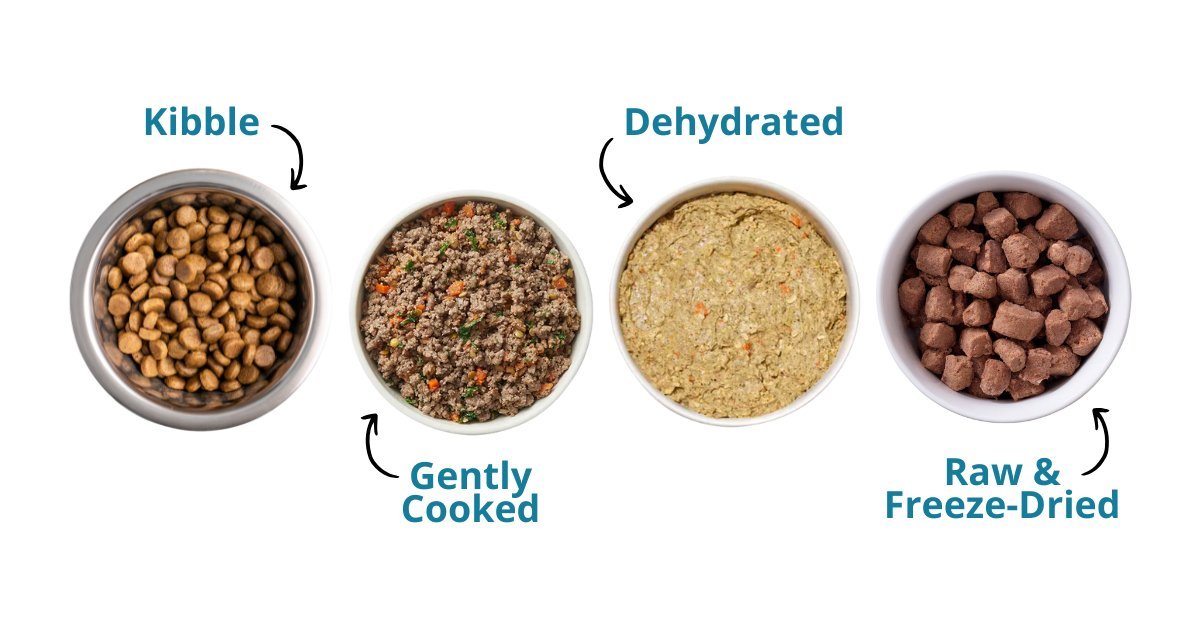
Choosing the right diet means looking past front-of-package marketing claims. The true quality of a bag shows up in the regulated text on the back.
- Check for an AAFCO nutritional adequacy statement confirming the recipe provides complete and balanced daily nutrition.
- Match the formula to age, because puppies need higher calcium levels than adults to build bones safely.
- If your dog is overweight, choose a diet with under 350 calories per cup; if your dog is an active working dog, pick a high-protein feed with over 450 calories per cup.
- Select whole animal proteins like chicken, beef, or lamb as the first ingredient on the panel.
- Avoid raw meat diets if anyone in the house is pregnant, very young, or immune-compromised.
- Use a standard kitchen measuring cup instead of guessing the daily serving size.
Why complete balanced nutrition matters
Dogs need about 40 distinct essential nutrients every single day. These include specific amino acids, fatty acids, vitamins, and minerals that their bodies can’t produce on their own. When a single element is missing over several months, quiet health problems begin to surface. For example, too little dietary taurine or carnitine can lead to heart muscle weakness, while the wrong calcium-to-phosphorus ratio permanently damages developing joints in growing puppies.
Commercial manufacturing rules exist to stop these imbalances before they reach your bowl. Regulators require strict testing and chemical analysis on commercial recipes. The FDA pet food guidelines require complete animal feeds to be truthfully labeled, safe to eat, and produced under sanitary conditions. Without these standardized recipes, simple home-cooked meat and rice meals leave animals deficient in calcium, vitamin E, and zinc. That oversight causes brittle bones, skin infections, and organ failure over time.
When standard dry kibble fails
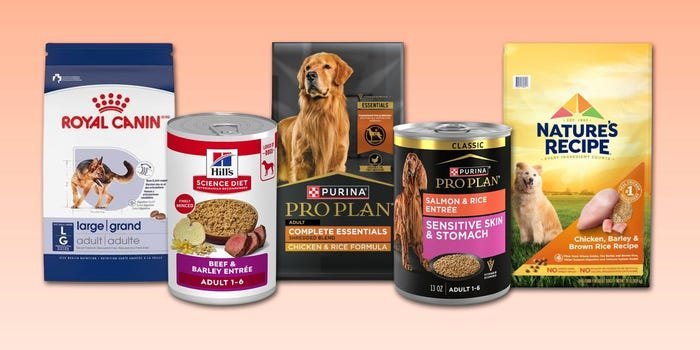
Standard adult kibble works well for most healthy dogs, but specific life stages and medical conditions require a completely different feeding plan.
| Situation | What changes | What to do instead |
|---|---|---|
| Large-breed puppy | Bone growth speed | Feed large-breed growth food |
| Chronic kidney disease | Phosphorus processing | Use a renal prescription diet |
| Missing several teeth | Chewing ability | Switch to soft canned loaf |
| Severe food allergies | Immune reaction | Feed hydrolyzed single-protein food |
| Acute pancreatitis | Fat digestion | Feed low-fat prescription meals |
| Extreme endurance sports | Daily calorie burn | Use high-fat performance working formulas |
How to switch dog food safely
Changing your pet’s food requires a slow, step-by-step transition over a full week. Moving too fast shocks the stomach bacteria and causes sudden diarrhea. You’ll need a standard measuring cup and enough old and new food to last seven full days.
- Check your dog’s current weight on your vet’s scale or a home bathroom scale before starting.
- Read the daily feeding chart on the new bag to find the total cups recommended for that weight.
- Days 1 and 2: Mix 75% old food with 25% new food in the bowl for each meal.
- Check the stool quality; it should stay firm and fully formed before you advance to the next step.
- Days 3 and 4: Feed an exact 50% split of the old food and the new food.
- Days 5 and 6: Mix 25% old food with 75% new food, watching closely for any vomiting or gas.
- Day 7: Fill the bowl with 100% new food, confirming your dog eats cleanly with no stomach upset.
Feeding mistakes that harm dogs
A simple feeding error can quickly wipe out the benefits of a premium diet. Watch out for these four common habits that lead to unexpected vet bills.
- Eyeballing portions with a drinking cup costs owners hundreds of dollars in veterinary weight-loss treatments later.
- Storing dry kibble in warm garages oxidizes the fats, turning the bag rancid and causing severe vomiting.
- Adding daily cooked chicken breasts to balanced kibble unbalances the meal’s calcium ratios, leading to soft bones.
- Leaving canned wet food in the dish longer than 4 hours breeds bacteria that cause painful digestive infections.
Frequently asked questions
Can dogs eat a raw meat diet safely?
No, raw meat carries high risks of Salmonella and Listeria contamination. These pathogens cause serious stomach illness in pets and can spread to the humans living in the same home.
How much food does an adult dog need daily?
An average 50-pound adult dog eating standard kibble needs about 2 to 2.5 cups daily. The exact calorie density is printed directly on your specific food bag.
Is grain-free food better for dogs?
No, grain-free food offers no proven health benefit for normal dogs. Most dogs digest grains easily, and true canine allergies almost always stem from animal proteins like chicken or beef.
How long can wet dog food sit out?
Wet food can sit out for 4 hours at normal room temperature before it spoils. Throw away any leftover canned food after that limit to prevent bacterial growth.
Does dry kibble clean a dog’s teeth?
No, standard dry kibble shatters immediately upon chewing and doesn’t clean teeth. Effective dental care requires daily toothbrushing with pet-safe enzymatic paste or veterinary dental chews.
What happens if you switch food too fast?
Switching food instantly causes watery diarrhea, stomach cramps, and vomiting within 24 hours. A gradual transition over several days helps minimize the risk of gastrointestinal upset when introducing new ingredients.
Is wet food better than dry kibble?
Neither is automatically better, though wet food provides useful extra hydration for dogs with urinary issues. Dry kibble is more affordable and convenient for free-feeding households.
Conclusion
A solid feeding routine is simple once you know what to look for. Check the back of the bag for balanced nutrition, measure every meal with an actual cup, and your dog will stay active and lean for years to come.
Related guides