

Dog food should contain a precise balance of proteins, fats, carbohydrates, vitamins, and minerals that provide complete nutrition tailored to your pet’s life stage and size. Selecting the right sustenance requires looking past flashy marketing slogans to identify the specific components that fuel canine health, longevity, and vitality. By understanding the chemical and biological needs of your dog, you can ensure they receive the essential building blocks required for muscle maintenance, energy, and immune system support.
Key Takeaways

- Always prioritize animal-based proteins as the first ingredient listed on the package.
- Verify that the product meets the nutritional standards established by the AAFCO.
- Avoid foods containing excessive fillers like corn syrup or artificial food dyes.
- Monitor your dog’s weight and adjust portion sizes to prevent obesity-related issues.
- Consult your veterinarian before making drastic changes to your dog’s current diet.
Essential Nutrients for Dogs
The foundation of a high-quality diet consists of macronutrients and micronutrients. Proteins provide the amino acids necessary for tissue repair, while healthy fats offer concentrated energy and support skin health. Carbohydrates, when sourced from high-quality grains or vegetables, supply fiber and glucose for sustained activity. Essential vitamins and minerals act as co-factors in metabolic processes, ensuring that every organ functions at its peak performance.
Protein Quality and Sources
Protein is the most critical component of a canine diet. High-quality sources include deboned chicken, beef, salmon, or lamb. These ingredients provide a complete amino acid profile, which is vital for building strong muscles and healthy hair coats. Look for labels that name the specific animal source rather than generic terms like “meat meal,” which lacks transparency regarding the quality and origin of the ingredients.
Fats and Fatty Acids
Fats are the primary energy source for dogs. They also facilitate the absorption of fat-soluble vitamins like A, D, E, and K. Specifically, Omega-3 and Omega-6 fatty acids are essential for cognitive function and inflammation management. Ingredients like flaxseed oil, fish oil, or chicken fat are common, healthy sources found in premium kibble and wet food varieties.
What Should Dog Food Contain?
To determine if a product is nutritionally complete, you must evaluate the ingredient list against industry standards. The Association of American Feed Control Officials provides the guidelines that manufacturers follow to ensure safety and balance. A high-quality food will explicitly state that it’s formulated to meet these nutritional levels for a specific life stage, such as growth, maintenance, or all life stages.
| Nutrient Category | Primary Function | Common Healthy Sources |
|---|---|---|
| Protein | Muscle Growth | Chicken, Turkey, Beef, Fish |
| Fats | Energy & Skin | Salmon Oil, Sunflower Oil |
| Carbohydrates | Digestive Health | Brown Rice, Sweet Potato |
| Fiber | Bowel Regularity | Beet Pulp, Oat Fiber |
Common Ingredients to Avoid
Not all ingredients are created equal, and some fillers provide little to no nutritional value. Avoid products that rely heavily on “by-products” of unknown origin or excessive additives designed to improve appearance rather than health.
- Artificial Colors: Red 40, Yellow 5, or Blue 2.
- Artificial Preservatives: BHA, BHT, or Ethoxyquin.
- Excessive Fillers: Corn gluten meal or wheat middlings.
- Sugars: Corn syrup or sucrose used for palatability.
Warning: Always read the ingredient list carefully, as manufacturers sometimes change formulas without updating the front-of-package marketing claims.
Evaluating Life Stage Requirements
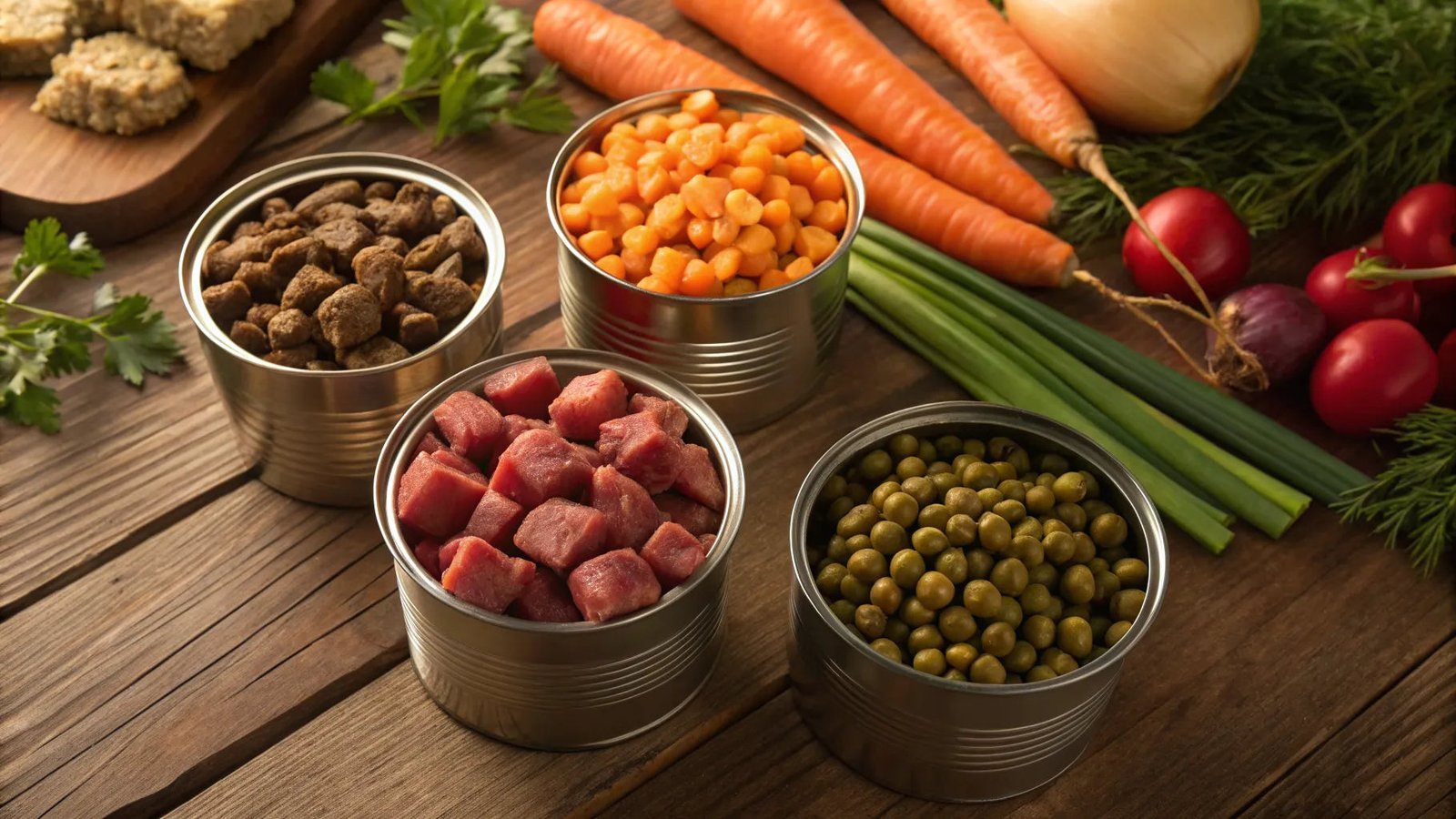
Puppies, adults, and seniors have vastly different metabolic demands. A growing puppy requires higher levels of protein and calcium for skeletal development, while a senior dog may benefit from lower calorie counts and added joint support supplements like glucosamine. Always select a food explicitly labeled for your dog’s specific age group to prevent developmental deficiencies or weight gain.
How to Read Labels Properly
The ingredient list is arranged by weight before cooking. This means the first few items constitute the majority of the food’s composition. If the first item is a carbohydrate or a grain, the product is likely lower in protein than one starting with whole meat. Ensure the product has a clear “Guaranteed Analysis” panel that displays the minimum percentages of crude protein and crude fat.
Troubleshooting Common Dietary Issues
If your dog experiences digestive upset, excessive shedding, or lethargy, their food may be the culprit. Sudden changes in diet can trigger stomach distress. If you decide to switch brands, perform a gradual transition over seven to ten days, slowly mixing in the new food while reducing the old to allow the gut microbiome to adjust.
| Symptom | Potential Dietary Cause | Suggested Action |
|---|---|---|
| Dull Coat | Low Omega Fatty Acids | Add fish oil supplement |
| Loose Stools | Excess Fiber or Allergens | Switch to limited ingredient |
| Weight Gain | High Caloric Density | Decrease portion size |
| Low Energy | Insufficient Protein | Upgrade to meat-first diet |
Understanding Food Allergies
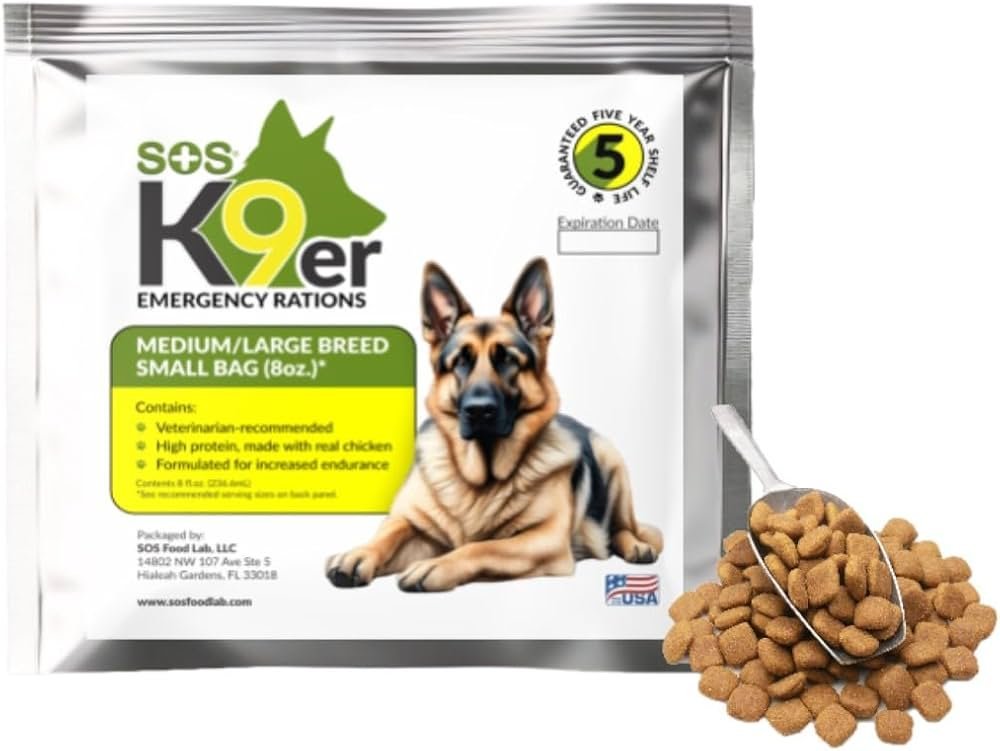
Some dogs are sensitive to specific proteins like chicken or beef. If your dog suffers from chronic ear infections or itchy skin, a limited-ingredient diet might be necessary. These diets contain a single protein source and a single carbohydrate source, making it easier to identify and eliminate the allergen causing the reaction.
Pro Tip: Keep a food diary to track how your dog reacts to new ingredients, including treats and human-grade snacks.
Related guides
- What Food Do Dogs Need: A Guide to Essential Nutrients
- What Is the Food for Dogs: Essential Nutrients and Diet Tips
- What Is in My Dog Food: A Guide to Ingredients and Nutrients
Frequently Asked Questions
Does grain-free food provide better nutrition?
Not necessarily. Unless your dog has a confirmed grain allergy, there’s no scientific evidence that grain-free diets are superior. Many grain-free foods replace corn or wheat with legumes, which are currently being studied for their potential impact on heart health. Always discuss the necessity of a grain-free diet with your veterinarian before making the switch.
Can I feed my dog human food?
While many human foods are safe, they shouldn’t replace a balanced commercial diet. Plain cooked chicken, carrots, and green beans are healthy additions, but many common items like grapes, onions, garlic, and chocolate are toxic to dogs. Always verify that any human food you offer is safe before putting it in your dog’s bowl.
How do I know if food is high quality?
High-quality food features a named animal protein as the first ingredient, includes specific nutrient sources, and carries a statement of nutritional adequacy from a reputable body. Avoid vague labels like “meat meal” or “animal digest.” A reputable manufacturer will also have a clear contact process for quality control concerns and transparent sourcing practices.
Is wet food better than dry kibble?
Both formats can be excellent depending on the specific product. Wet food has a higher moisture content, which is beneficial for dogs that don’t drink enough water, while dry kibble is more convenient and helps scrape plaque from teeth. Many owners choose to mix both to provide a variety of textures and ensure their dog stays hydrated.
How much should I feed my dog?
Feeding amounts depend on the dog’s age, activity level, and the caloric density of the specific food. Refer to the feeding chart on the packaging as a starting point, but adjust based on your dog’s body condition. If you notice your dog gaining or losing weight unexpectedly, consult your vet to refine the daily portions to maintain an ideal body score.
Selecting the right food is one of the most impactful decisions you’ll make for your dog’s health. By prioritizing high-quality protein, avoiding unnecessary additives, and matching the food to your pet’s life stage, you provide the best possible foundation for a long and vibrant life. Start by checking your current bag’s label today to ensure it meets these core nutritional requirements.