

The safest and healthiest dog food is a diet that meets the nutritional standards set by the AAFCO. You must look for a label stating the food is complete and balanced for your pet’s specific life stage, such as puppy, adult, or senior.
Choosing the safest and healthiest food
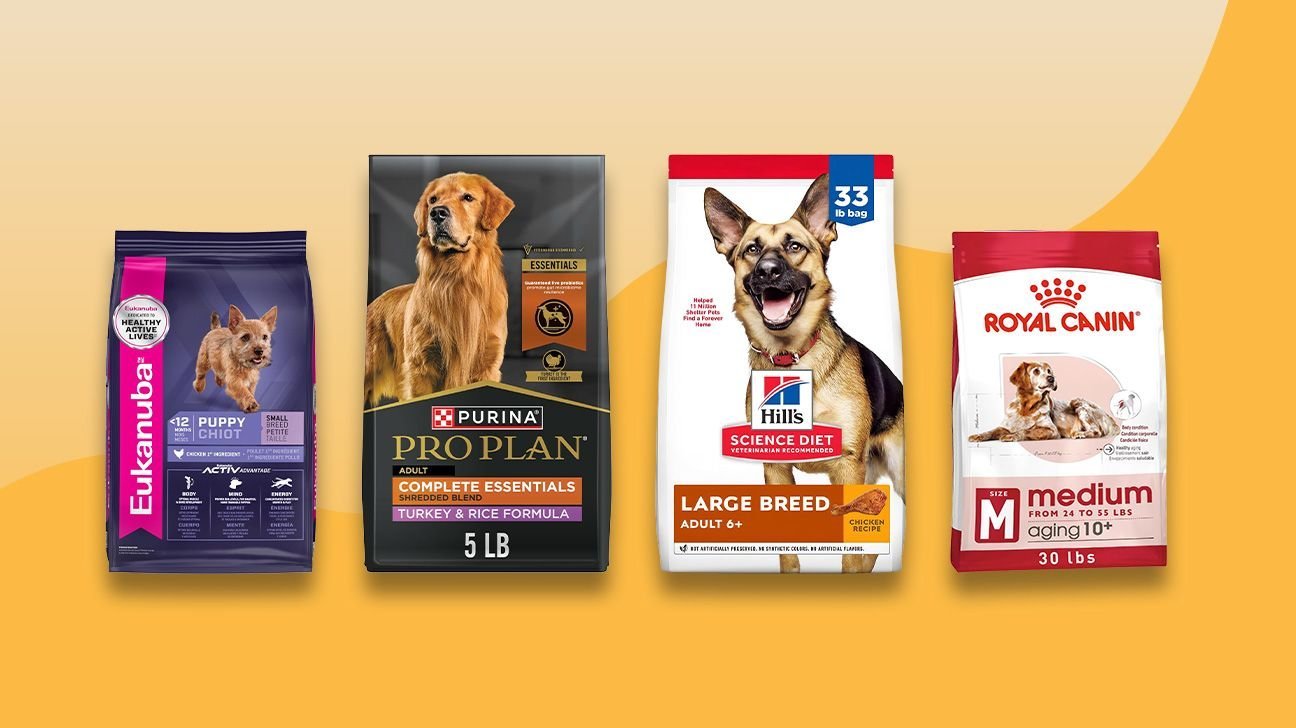
- Check the bag for an AAFCO statement confirming the diet is complete and balanced for your pet’s life stage.
- Select food based on your dog’s age and weight, as nutritional needs shift from puppyhood to the senior years.
- Avoid foods that list ambiguous ingredients like “animal by-products” without specifying the source or species.
- Store dry kibble in its original bag inside a sealed plastic container to prevent fat oxidation and moisture buildup.
- Monitor your dog’s weight monthly and adjust portion sizes to prevent obesity, which is a major health risk.
- Transition to a new food over 7 to 10 days by mixing increasing amounts of new food into the old.
Why nutritional adequacy matters
The primary goal of feeding your dog is to provide a consistent balance of proteins, fats, vitamins, and minerals that support biological functions. The Association of American Feed Control Officials provides the standard for what constitutes a complete and balanced diet. When a manufacturer tests their food against these standards, they ensure your dog receives the correct ratio of nutrients without toxic excesses.
If you choose a food that isn’t labeled for your dog’s specific life stage, you risk providing either too little or too much of key nutrients. For example, puppies require higher levels of calcium and phosphorus for bone growth, while adult dogs need maintenance-level nutrients. Relying on “all life stages” food can sometimes lead to excessive caloric intake for sedentary adults. Always check the package for the specific life stage statement, which indicates the formula is intended to meet nutritional standards for that stage.
When dietary needs change
| Situation | What changes | What to do instead |
|---|---|---|
| Puppy growth | High calorie needs | Feed puppy-specific formula |
| Senior aging | Lower activity levels | Switch to senior-labeled food |
| Food allergies | Protein sensitivity | Use limited ingredient diets |
| Weight gain | Calorie density | Reduce portions by 10% |
| Medical illness | Nutrient restrictions | Consult your veterinarian |
Steps for healthy feeding
- Measure your dog’s exact daily food portion using a standard kitchen scale rather than a cup for accuracy.
- Follow the feeding guidelines on the packaging as a starting point, but adjust based on your dog’s actual body condition.
- Divide the total daily amount into two separate meals to help digestion and keep your dog satisfied throughout the day.
- Provide fresh, clean water in a stainless steel or ceramic bowl that you wash with soap every 24 hours.
- Check for the “best by” date on the packaging to ensure the fats and vitamins remain stable and fresh.
- Observe your dog’s energy levels and coat quality after four weeks; if they seem dull, consult your veterinarian about adjustments.
Common mistakes that ruin nutrition
- Adding too many table scraps to a balanced diet creates nutritional imbalances that can lead to obesity or pancreatitis.
- Switching food brands abruptly often causes gastrointestinal distress, leading to vomiting or diarrhea in sensitive dogs.
- Ignoring the calorie density per cup means you might overfeed a small dog significantly without realizing it.
- Leaving wet food out for more than two hours encourages harmful bacterial growth that can cause severe illness.
Frequently asked questions
Can I feed my dog human food?
You can feed your dog small amounts of plain, cooked human food, but it should never exceed 10% of their total daily calories. Most human food lacks the specific mineral balance dogs require, and some ingredients like onions or garlic are toxic.
How often should I feed my dog?
Most adult dogs thrive on two meals per day, while puppies usually require three to four feedings until they reach six months. Feeding on a schedule helps regulate their metabolism and makes it easier to monitor changes in their appetite.
Is grain-free food healthier?
Grain-free food isn’t inherently healthier unless your dog has a specific, diagnosed allergy to grains. There’s no scientific evidence that grains are harmful to the average healthy dog, and many dogs benefit from the fiber provided by whole grains.
How long does a bag of food stay fresh?
Dry dog food typically stays fresh for four to six weeks after opening if stored in a cool, dry place. Exposure to air and light causes the fats in the food to go rancid, which can change the taste and reduce nutritional value.
Is raw food safer than kibble?
Raw food carries a higher risk of bacterial contamination like Salmonella and Listeria compared to commercially processed, heat-treated kibble. The American Veterinary Medical Association advises against feeding raw animal products due to the risk of infection for both the dog and the human family.
Does the price of dog food indicate quality?
Price doesn’t always guarantee quality, but it often reflects the cost of extensive testing and high-quality ingredient sourcing. You should prioritize the AAFCO nutritional adequacy statement on the label over the price tag or marketing claims on the front of the bag.
Conclusion
The safest approach to your dog’s diet is to prioritize the nutritional adequacy statement on the bag and monitor your dog’s physical condition daily. If you notice unexpected changes in weight, coat texture, or energy levels, your veterinarian is the best source for personalized adjustments.