
Dogs should be eating a balanced diet formulated specifically for their life stage, size, and activity level to ensure they receive the essential nutrients required for optimal health. Providing high-quality nutrition is the most effective way to prevent chronic disease and support longevity. Most healthy adult dogs thrive on a diet containing a precise balance of proteins, fats, carbohydrates, vitamins, and minerals that meet established nutritional standards.
Key Takeaways
- Prioritize diets that meet the AAFCO Dog Food Nutrient Profiles to ensure complete and balanced nutrition.
- Always transition your dog to a new food slowly over 7 to 10 days to prevent digestive upset.
- Monitor your dog’s body condition score regularly to adjust portion sizes and prevent canine obesity.
- Consult your veterinarian before adding supplements or switching to specialized therapeutic diets.
- Fresh water must be accessible at all times to support metabolic function and kidney health.
What Should Dogs Be Eating?
A dog’s diet must contain specific nutrients in the correct proportions. Protein is the foundation for muscle repair and immune function, while healthy fats provide energy and support skin health. Carbohydrates offer a readily available energy source, and fiber aids in healthy digestion.
Essential Nutrient Components
- Animal-based proteins such as chicken, beef, or salmon.
- Complex carbohydrates like brown rice, oats, or sweet potatoes.
- Omega fatty acids sourced from fish oil or flaxseed.
- Chelated minerals for improved nutrient absorption.
Comparing Commercial Food Formats
Choosing between food types depends on your lifestyle, budget, and your dog’s individual preferences. Each format has distinct advantages regarding shelf life, convenience, and nutrient density.
| Food Type | Shelf Life | Convenience | Typical Cost ($/lb) |
|---|---|---|---|
| Dry Kibble | Long | High | $1.50 – $4.00 |
| Wet Canned | Moderate | Medium | $3.50 – $8.00 |
| Freeze-Dried | Long | High | $15.00 – $35.00 |
| Fresh/Frozen | Short | Low | $6.00 – $12.00 |
Determining Appropriate Portion Sizes
Feeding the correct amount is vital for maintaining a healthy weight. Most packaging provides a feeding guide, but these are merely starting points. You must adjust based on your dog’s metabolism and actual activity levels.
Warning: Always use a standard measuring cup or a digital scale to ensure consistent portions; “eyeballing” amounts often leads to significant overfeeding.
Recognizing Healthy Food Ingredients
When reading labels, look for high-quality, recognizable components. The ingredient list is ordered by weight, meaning the first few items constitute the bulk of the food. Avoid foods that rely heavily on generic “meat meals” or excessive fillers.
Quality Ingredient Checklist
- Named protein sources: Look for “chicken” or “lamb” rather than “meat byproduct.”
- Whole grains or vegetables: Ingredients like peas, carrots, or barley.
- Limited preservatives: Natural options like mixed tocopherols are preferred over BHA or BHT.
Can Dogs Eat Human Foods?
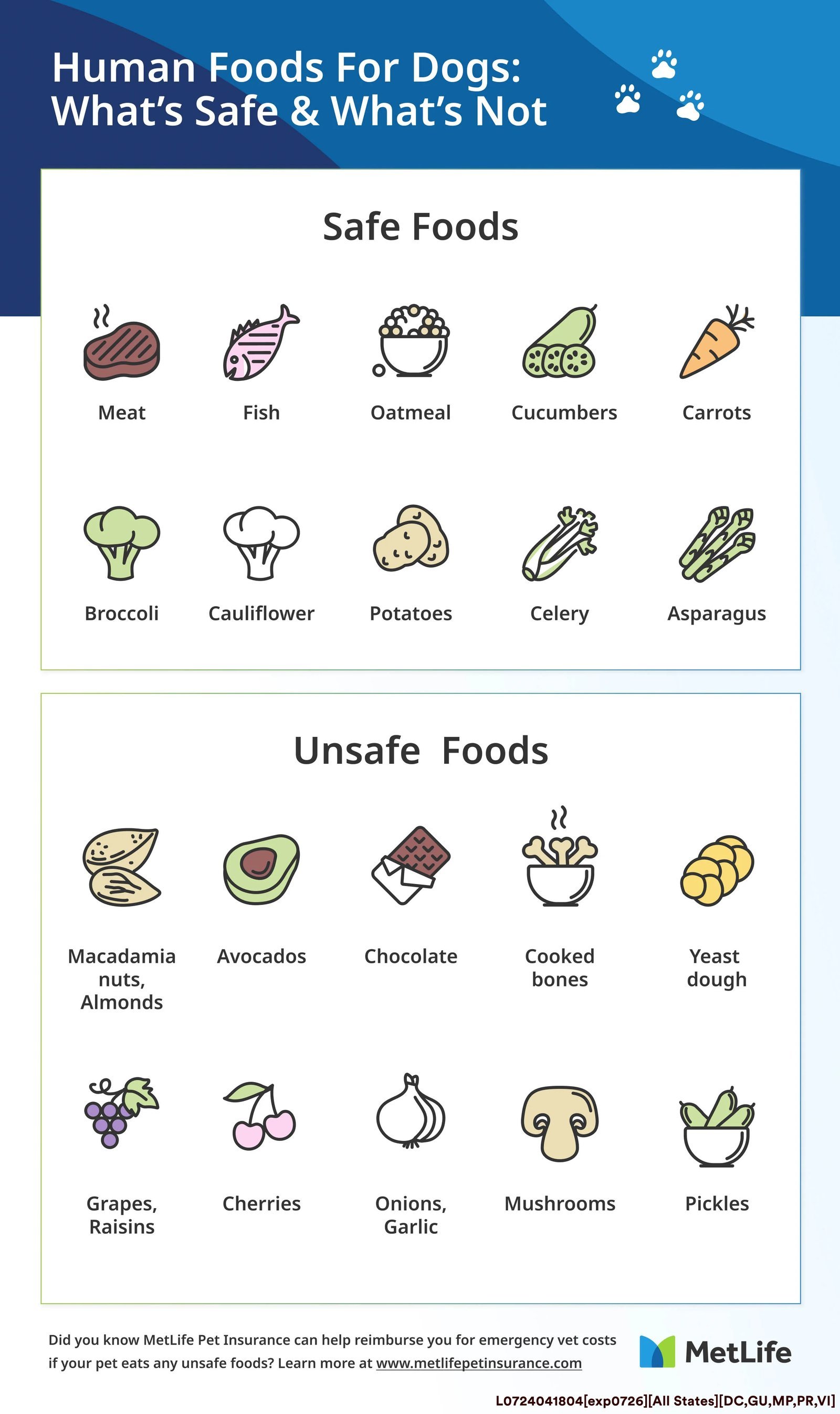
Many household items are perfectly safe as occasional treats, while others are strictly off-limits. If you share your meals, ensure they’re cooked plainly without onions, garlic, or excessive salt.
| Safe Human Foods | Toxic Human Foods |
|---|---|
| Plain cooked chicken | Grapes and raisins |
| Steamed green beans | Onions and garlic |
| Peeled cucumber slices | Chocolate and caffeine |
| Plain blueberries | Xylitol (artificial sweetener) |
How to Transition Diets Safely
Sudden dietary changes often result in vomiting or diarrhea. A gradual transition allows your dog’s gut microbiome to adapt to the new ingredients.
- Days 1-3: 75% old food, 25% new food.
- Days 4-6: 50% old food, 50% new food.
- Days 7-9: 25% old food, 75% new food.
- Day 10: 100% new food.
Pro Tip: If your dog experiences loose stools during the transition, hold the current ratio for an extra two days before proceeding to the next step.
Identifying Signs of Nutritional Issues
Even with a high-quality diet, some dogs may struggle with specific formulas. Monitor your pet for physical indicators that the food isn’t meeting their needs.
- Dull or brittle coat: Indicates a potential lack of essential fatty acids.
- Chronic gas or bloating: May suggest a sensitivity to specific carbohydrates.
- Excessive shedding: Can be linked to poor protein quality or micronutrient deficiencies.
- Low energy levels: Might mean the caloric density is insufficient for their needs.
Managing Food Allergies and Sensitivities
If you suspect your dog has a food allergy, it usually manifests as skin irritation or chronic ear infections. True food allergies are an immune response to a specific protein. A limited ingredient diet is often the primary tool for identifying the culprit. Work with your vet to conduct a strict elimination trial, where you feed a novel protein source—like duck or venison—for eight weeks to see if symptoms subside.
Frequently Asked Questions
Is grain-free food better for dogs?
For the vast majority of dogs, grain-free diets offer no health benefits and may be associated with heart issues in some breeds. Grains like brown rice and oats provide essential vitamins and fiber. Unless your veterinarian has diagnosed a specific grain allergy, there’s no clinical reason to avoid grains in your dog’s diet.
How often should my dog eat?
Most adult dogs do best with two meals per day, which helps maintain steady blood sugar levels and prevents hunger-related vomiting. Puppies under six months of age usually require three to four smaller meals daily to support their rapid growth and high metabolic rate. Always maintain a consistent feeding schedule to aid in digestion and house training success.
Do dogs need dietary supplements?
If you’re feeding a high-quality, commercially prepared food that’s labeled as complete and balanced, your dog likely doesn’t need additional supplements. Adding extra vitamins or minerals without guidance can actually cause toxic imbalances. Only add supplements like glucosamine or probiotics if your veterinarian specifically recommends them for a diagnosed condition like joint stiffness or digestive distress.
Why is my dog a picky eater?
Picky eating can be caused by boredom with the food, excessive treat consumption, or underlying medical issues. First, ensure your dog isn’t filling up on table scraps or high-calorie treats between meals. If they’re otherwise healthy, try warming their food slightly or adding a small amount of warm water to enhance the aroma. If they refuse to eat for 24 hours, consult your veterinarian.
Can I feed my dog a raw diet?
Raw diets carry significant risks of bacterial contamination, such as Salmonella, which can infect both your dog and your family members. Additionally, it’s extremely difficult to achieve a balanced nutrient profile without professional guidance. Most veterinary organizations advise against raw feeding due to these safety concerns and the potential for nutritional deficiencies or bone-related injuries from raw meaty bones.
Establishing a consistent feeding routine is the most reliable way to maintain your dog’s long-term health and vitality. By focusing on balanced, high-quality ingredients and monitoring your dog’s physical condition, you can provide the best possible care. Start today by checking the label on your dog’s current food to ensure it meets established nutritional standards for their specific life stage.