

Feeding your dog a balanced diet requires focusing on high-quality proteins, healthy fats, and essential vitamins that align with their life stage and activity level. While the market offers endless options, the most reliable approach centers on nutritional adequacy and veterinary standards. Whether you choose commercial kibble, canned wet food, or a home-cooked regimen, your primary goal is to ensure your canine companion receives all necessary macro and micronutrients to thrive throughout their life.
Key Takeaways

- Always verify that your chosen food meets AAFCO nutrient profiles for your dog’s specific life stage.
- Monitor your dog’s body condition score to prevent obesity, which is a major health risk.
- Transition to new foods gradually over seven to ten days to avoid digestive upset.
- Consult your veterinarian before starting any restrictive diet or homemade nutritional plan.
- Ensure constant access to fresh, clean water at all times.
What Should You Feed Your Dog?
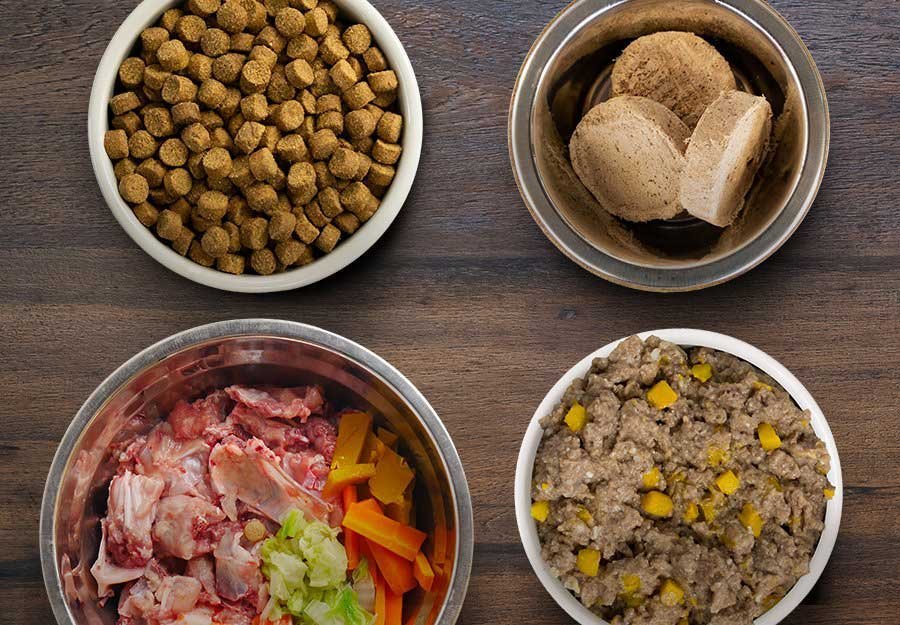
Choosing the right sustenance involves understanding the three main categories of pet nutrition. Each has specific benefits depending on your dog’s health needs, budget, and lifestyle.
| Food Category | Primary Benefit | Best For |
|---|---|---|
| Dry Kibble | Dental health/Convenience | Active/Large breeds |
| Wet/Canned | High moisture content | Picky eaters/Seniors |
| Fresh/Frozen | High-quality ingredients | Sensitive stomachs |
How Much Should You Feed?
Portion control is critical for maintaining a healthy weight. Most packaging provides a baseline, but individual metabolism varies significantly. For a typical adult dog, you might feed between 1.5 and 4 cups of dry food daily depending on caloric density. Always divide the total daily amount into two separate meals to aid digestion and reduce the risk of bloat.
Essential Ingredients to Look For
When reading ingredient labels, look for high-quality sources that provide energy and muscle support. Prioritize animal-based proteins such as chicken, beef, or salmon as the first ingredient. Additionally, ensure the formula contains healthy fatty acids, specifically Omega-3 and Omega-6, which are vital for maintaining a shiny coat and healthy skin. Avoid foods that rely heavily on fillers like corn or wheat middlings, as these provide less nutritional value per calorie.
Foods You Must Never Feed
Certain human foods are toxic to dogs and must be strictly avoided to prevent emergency medical situations. Keep these items away from your kitchen floor and pantry storage areas:
- Grapes and raisins (can cause kidney failure)
- Onions, garlic, and chives (damage red blood cells)
- Chocolate (contains theobromine, which is toxic)
- Xylitol (often found in sugar-free gum and peanut butter)
- Macadamia nuts (cause weakness and tremors)
Should You Use Supplements?
Most high-quality commercial diets are formulated to be complete and balanced. Adding extra vitamins or minerals without veterinary guidance can cause toxic imbalances. However, some dogs benefit from specific support. Joint health support like glucosamine or chondroitin is frequently recommended for aging large breeds. Always discuss any potential supplements with your vet to ensure they don’t interfere with your dog’s primary nutritional plan.
How to Handle Picky Eaters
If your dog turns their nose up at their bowl, first rule out medical issues with a professional checkup. If they’re simply discerning, try warming their food slightly to enhance the aroma or adding a small amount of warm water to create a gravy. Flavor rotation within a high-quality brand can also keep mealtime interesting without causing the digestive distress associated with abrupt changes to a completely different type of protein.
Troubleshooting Common Digestive Issues
If your dog develops loose stools or excessive gas, it may indicate a food sensitivity or an issue with the transition process. Probiotic supplements may help stabilize the gut microbiome. If symptoms persist for more than forty-eight hours, contact your veterinarian immediately. Keep a food diary to track any treats or snacks that might be contributing to the problem, as these often contain hidden ingredients that cause reactions.
Are Homemade Diets Safe?

Preparing your own dog food allows for total control over ingredients, but it carries a high risk of nutritional deficiency. If you choose this path, you must work with a board-certified veterinary nutritionist to develop a recipe that meets all requirements. Using a generic recipe from the internet is insufficient and can lead to severe health consequences over time. Always include a balanced mineral premix to ensure your dog receives the correct ratio of calcium to phosphorus.
Related guides
- What Is the Best Thing to Feed a Dog for Optimal Health
- What Is the Healthiest Food for Dogs: A Guide to Whole Nutrition
- What Is the Most Healthiest Dog Food? Expert Nutrition Guide
Frequently Asked Questions
Is grain-free food better?
Grain-free food is generally only necessary for dogs with a diagnosed grain allergy. For most healthy dogs, whole grains like brown rice or oats provide excellent fiber and energy. Unless your veterinarian specifically recommends a grain-free diet, there’s no clinical evidence suggesting that grains are inherently harmful or inferior to other carbohydrate sources for the average canine.
Can I feed my dog table scraps?
Table scraps are often too high in fat, salt, and calories, which can lead to obesity and pancreatitis. While a small piece of plain, cooked carrot or a bite of lean chicken is usually safe, avoid feeding scraps regularly. Relying on human leftovers makes it nearly impossible to maintain a balanced, consistent nutritional profile for your dog.
How often should I change food?
You don’t need to rotate your dog’s food frequently. If your dog is healthy, maintaining a consistent, high-quality diet is actually preferred for digestive health. If you do decide to switch brands, always perform a gradual transition over seven to ten days, mixing increasing amounts of the new food into the old to prevent stomach upset.
What about raw diets?
Raw diets carry significant risks of bacterial contamination, such as Salmonella and Listeria, which can affect both pets and humans. Furthermore, it’s extremely difficult to achieve a nutritionally complete profile with a raw approach. Most veterinary organizations advise against raw feeding due to these safety and nutritional concerns. Always prioritize food safety when planning your pet’s daily regimen.
Pro Tip: Use a digital kitchen scale to measure your dog’s food by weight rather than volume. This is the most accurate way to ensure you’re meeting their specific caloric needs every single day. Warning: Never store dog food in a garage or shed where moisture and temperature fluctuations can degrade the nutrients and lead to mold growth or spoilage.
To begin refining your dog’s diet, start by checking the feeding guide on your current bag and comparing it against your dog’s weight and body condition score. If you notice your dog is gaining or losing weight, adjust their daily intake by five to ten percent and monitor their progress over the next two weeks to maintain their ideal fitness.