
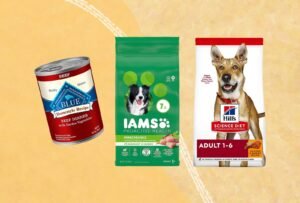
The healthiest option is any diet that meets Association of American Feed Control Officials (AAFCO) standards and fits your pet’s life stage, size, and medical history. Choosing the most nutritious dog food generally involves selecting commercial kibble, wet food, or fresh meals that provide complete, balanced daily nutrition.
What makes food the healthiest choice
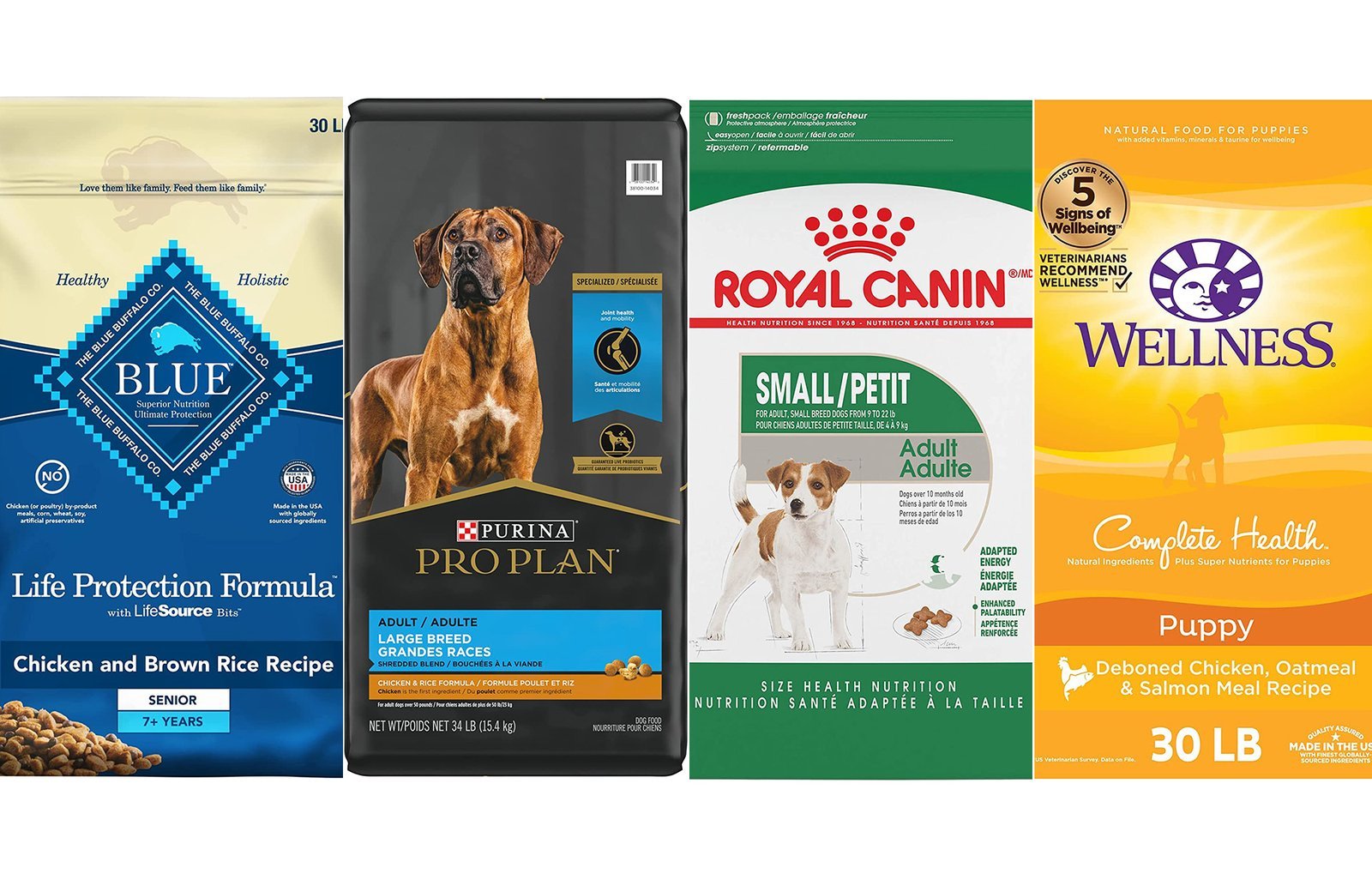
Good nutrition keeps your pet active, maintains a glossy coat, and protects long-term organ health. A quality diet gives your dog the right mix of proteins, fats, vitamins, and minerals without excess fillers.
- Look for an AAFCO nutritional adequacy statement on the bag, which confirms the food offers complete and balanced nutrition for a specific life stage.
- Check that an identifiable whole animal protein, such as deboned chicken or whole salmon, fills the first spot on the ingredient panel.
- Choose a formula tailored to your dog’s age, whether puppy, adult, or senior, because nutrient demands shift over time.
- If your dog is a large breed puppy expected to weigh over 50 pounds as an adult, pick food with controlled calcium levels around 1.2% to protect developing joints.
- Avoid foods featuring generic animal fats or artificial preservatives like BHA, BHT, and ethoxyquin.
Why balanced nutrients matter
Dogs need precise nutrient profiles rather than specific human-style ingredients. A food that sounds wholesome to people can easily lack essential trace minerals like zinc, copper, or iodine. When these basic minerals are missing, dogs develop skin lesions, dry coats, and weak immune systems over several months.
Commercial diets from established brands undergo feeding trials or detailed laboratory analyses to verify every nutrient works inside the animal’s digestive system. The FDA animal food safety guidelines require pet food ingredients to serve a safe, functional purpose in animal diets.
Cooking homemade food without a veterinary nutritionist often leads to serious calcium deficiencies. Meat alone contains lots of phosphorus but almost no calcium. Adult dogs need a balanced calcium-to-phosphorus ratio near 1.2:1 to keep their bones strong and prevent fractures.
When standard dog food fails
The usual healthy diet doesn’t work for every dog. Underlying medical conditions and age make standard kibble unsafe or ineffective for certain pets.
| Situation | What changes | What to do instead |
|---|---|---|
| Chronic kidney disease | High phosphorus harms kidneys | Switch to low-phosphorus prescription food |
| Pancreatitis history | High dietary fat triggers flares | Feed a low-fat gastrointestinal diet |
| Suspected food allergy | Common meats cause itchiness | Use a hydrolyzed protein veterinary diet |
| Severe dental disease | Hard kibble causes mouth pain | Feed soft pate or rehydrated food |
| Heart disease diagnosis | Sodium strains the cardiovascular system | Switch to a low-sodium meal plan |
| Rapidly growing giant breed | Excess calories cause bone deformities | Feed controlled-calorie giant puppy food |
Choosing the healthiest dog food
Finding the right diet takes a careful look at labels, life stages, and your pet’s daily bathroom habits.
- Read the guaranteed analysis box on the back of the bag to verify the minimum crude protein and crude fat percentages.
- Confirm the label includes the exact words stating the food is formulated to meet AAFCO nutrient profiles.
- Weigh your dog on a home scale or at the clinic to determine their accurate weight before calculating portion sizes.
- Measure your dog’s daily rations using an actual 8-ounce measuring cup instead of a regular household drinking mug.
- Mix 25% of the new food with 75% of the old food for the first 3 days to avoid an upset stomach.
- Increase the new food to 50% for days 4 through 6, watching closely for loose stools or gas.
- Feed 100% new food by day 8 once your dog shows firm stools and normal daily energy levels.
Food mistakes to avoid
- Buying boutique grain-free food without veterinary advice. The FDA continues studying potential links between grain-free diets heavy in peas or lentils and canine dilated cardiomyopathy.
- Overfeeding nutrient-dense kibble to less active dogs. Giving an extra 20% above daily caloric needs leads directly to obesity, which strains hip joints and shortens lifespans.
- Adding excessive table scraps to balanced commercial meals. Human food additions running past 10% of total daily calories unbalance the mineral ratios built into commercial diets.
- Leaving opened bags of dry food in warm, humid garages. Heat and air oxidize delicate fats, turning the food rancid and destroying vitamins within 6 weeks.
Frequently asked questions
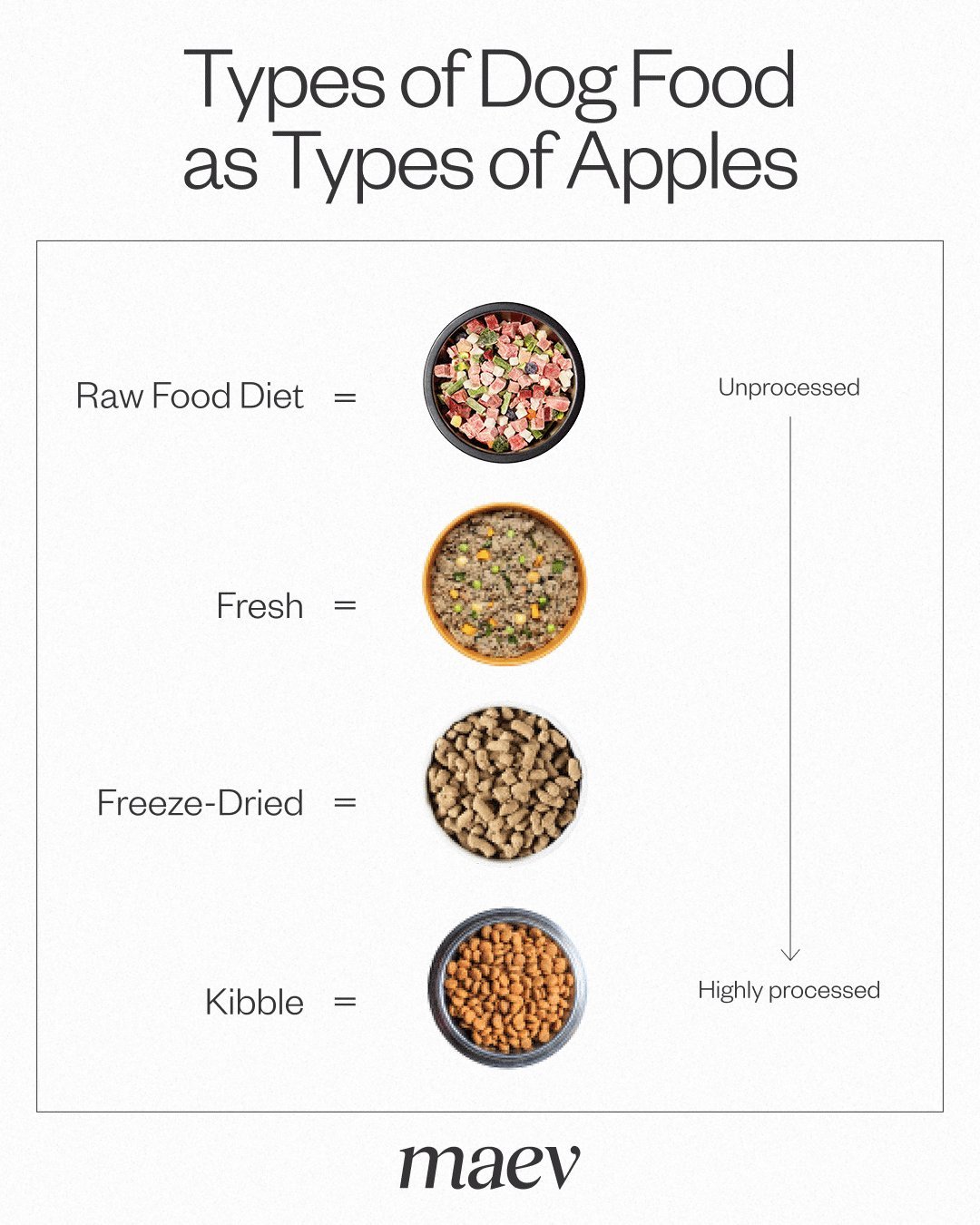
Can dogs eat a raw meat diet safely?
Raw meat diets aren’t safe for most pets due to bacterial contamination risks. Pathogens like Salmonella and Listeria spread easily to both dogs and human owners from raw foods, according to veterinary health warnings.
How much protein should an adult dog eat?
An adult dog food must contain at least 18% crude protein on a dry-matter basis to meet standard maintenance profiles. Active working dogs or nursing mothers often need 25% to 30% crude protein to stay healthy.
Is grain-free dog food healthier for pets?
No, grain-free dog food isn’t healthier unless your veterinarian diagnoses a specific wheat or corn allergy. Most canine food allergies actually stem from common animal proteins like chicken or beef rather than digestible grains.
How long does an open bag of dry dog food last?
An open bag of dry kibble lasts about 4 to 6 weeks if stored in its original bag inside an airtight container. After 6 weeks, exposed fats turn stale and vitamins steadily lose their strength.
Does expensive dog food mean better quality?
Not always, because high prices often reflect heavy marketing campaigns rather than scientific feeding trials. A moderately priced food backed by complete feeding tests is safer than an expensive food mixed without nutritional testing.
What happens if you switch dog foods suddenly?
Switching dog foods abruptly often causes vomiting, diarrhea, and cramping within 12 to 24 hours. A dog’s gut microbiome requires 7 to 10 days to adapt to new protein and fiber levels, so a gradual transition is essential to prevent these digestive issues.
Conclusion
Since every dog’s needs are unique, you shouldn’t hesitate to consult your veterinarian before making a big change to their bowl. They’ll help you find a diet that’s perfect for your pup’s specific health goals. It’s a simple way to ensure your best friend stays happy and energetic for years to come.