
A diet that meets established nutritional standards is the safest and healthiest dog food because it ensures a complete and balanced profile for your pet. You should always look for a statement on the label confirming this compliance.
Feeding your dog correctly depends on its life stage, such as puppy, adult, or senior, rather than just the brand name. The single most common mistake owners make is choosing food based on marketing trends or human-grade labels, which don’t guarantee actual nutritional adequacy for a canine.
How to choose the safest healthiest food
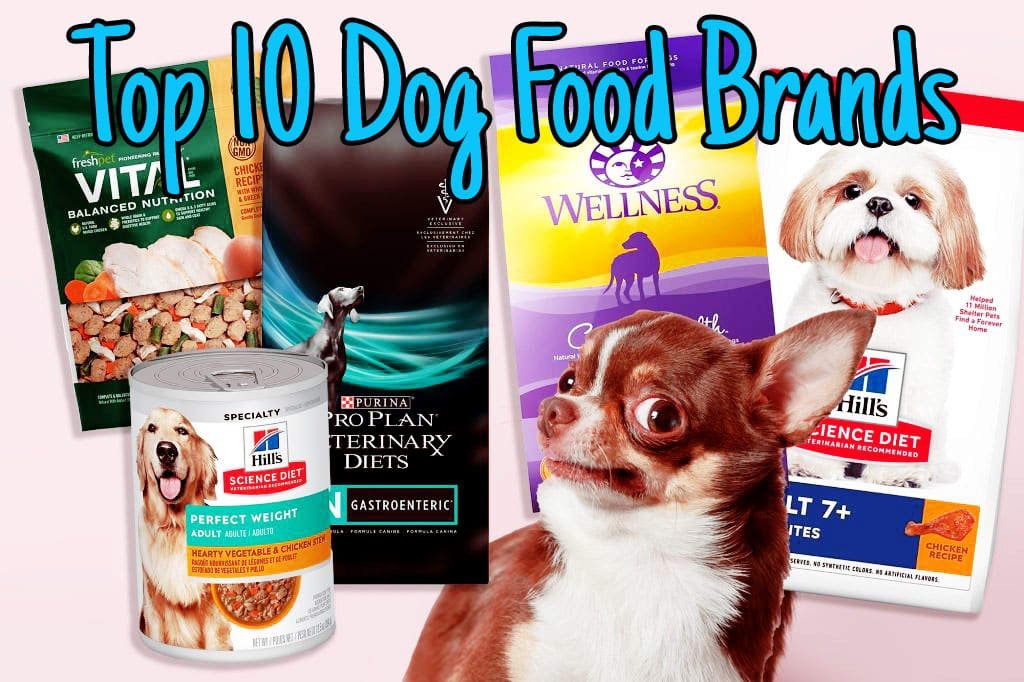
- Check the packaging for the AAFCO nutritional adequacy statement, which confirms the food has passed feeding trials or met nutrient profiles for a specific life stage.
- Verify the manufacturer’s contact information is clearly listed on the bag, as reputable companies provide this for transparency.
- Review the ingredient list to ensure the first ingredient is a high-quality protein source, such as chicken, beef, or salmon.
- Consult your veterinarian about your dog’s specific needs, especially if your pet has allergies, a sensitive stomach, or a breed-specific health requirement.
- Store the food in its original bag inside a cool, dry place to prevent the oxidation of fats and the growth of mold.
- If you need to transition your dog to a new diet, do it slowly over 7 to 10 days by mixing increasing amounts of the new food into the old to prevent digestive upset.
Tip: If your dog shows signs of lethargy or vomiting after a change, stop the new food immediately and contact your clinic.
Time requirements for dietary transitions
| Situation | How long | What changes it | What to watch for |
|---|---|---|---|
| Healthy adult dog | 7 days | Sensitivity of stomach | Loose stools or gas |
| Puppy or senior | 10–14 days | Digestive fragility | Refusal to eat |
| Pet with allergies | 14+ days | Complexity of symptoms | Skin redness or itching |
If your dog is still having stomach issues after two weeks of a slow transition, it’s time to see a veterinarian for a specialized elimination diet.
Signs of a healthy diet
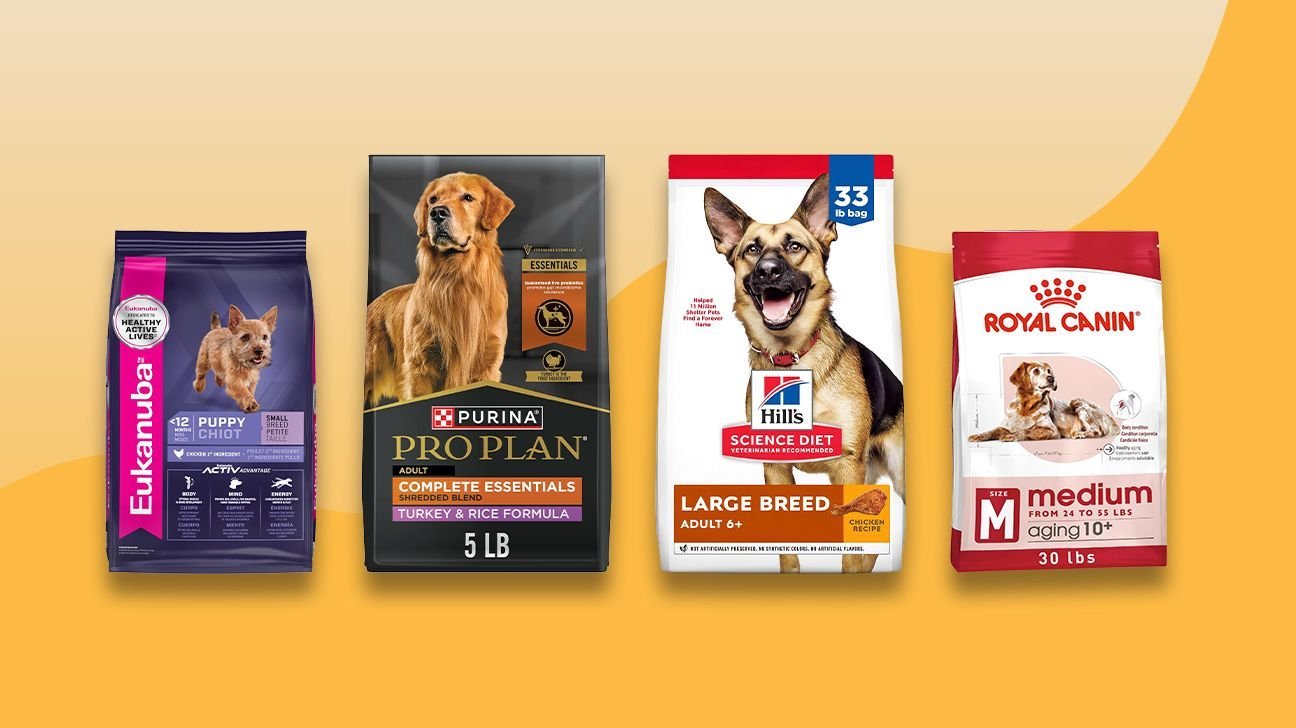
You can tell if a food is working by observing your dog’s physical condition over four to six weeks. A healthy dog has a shiny coat, clear eyes, and firm, consistent stools. You should also monitor their energy levels and body weight; a dog should have a visible waist when viewed from above and a tucked abdomen from the side. The FDA’s guidance on pet food explains how to interpret labels to ensure you’re getting the correct nutrients. If you notice weight gain, reduce the daily portion by 5% and recheck in two weeks.
Mistakes that ruin your dog’s health
- Adding human supplements without a vet’s guidance can cause dangerous nutrient imbalances, especially with calcium or vitamin D. Always stick to a balanced commercial diet unless a specialist directs otherwise.
- Feeding raw meat diets at home often risks bacterial contamination like Salmonella, which can infect both your pet and your family. If you prefer this route, use commercially prepared, high-pressure processed options that are tested for pathogens.
- Ignoring portion sizes leads to canine obesity, which reduces lifespan and stresses joints. Use a standard measuring cup rather than guessing, and adjust the amount based on your dog’s actual activity level.
- Buying food in bulk without proper storage leads to rancid fats and lost vitamins. Buy only what your dog can consume within 30 days to ensure the food stays fresh and safe.
Frequently asked questions
Can I mix wet and dry dog food?
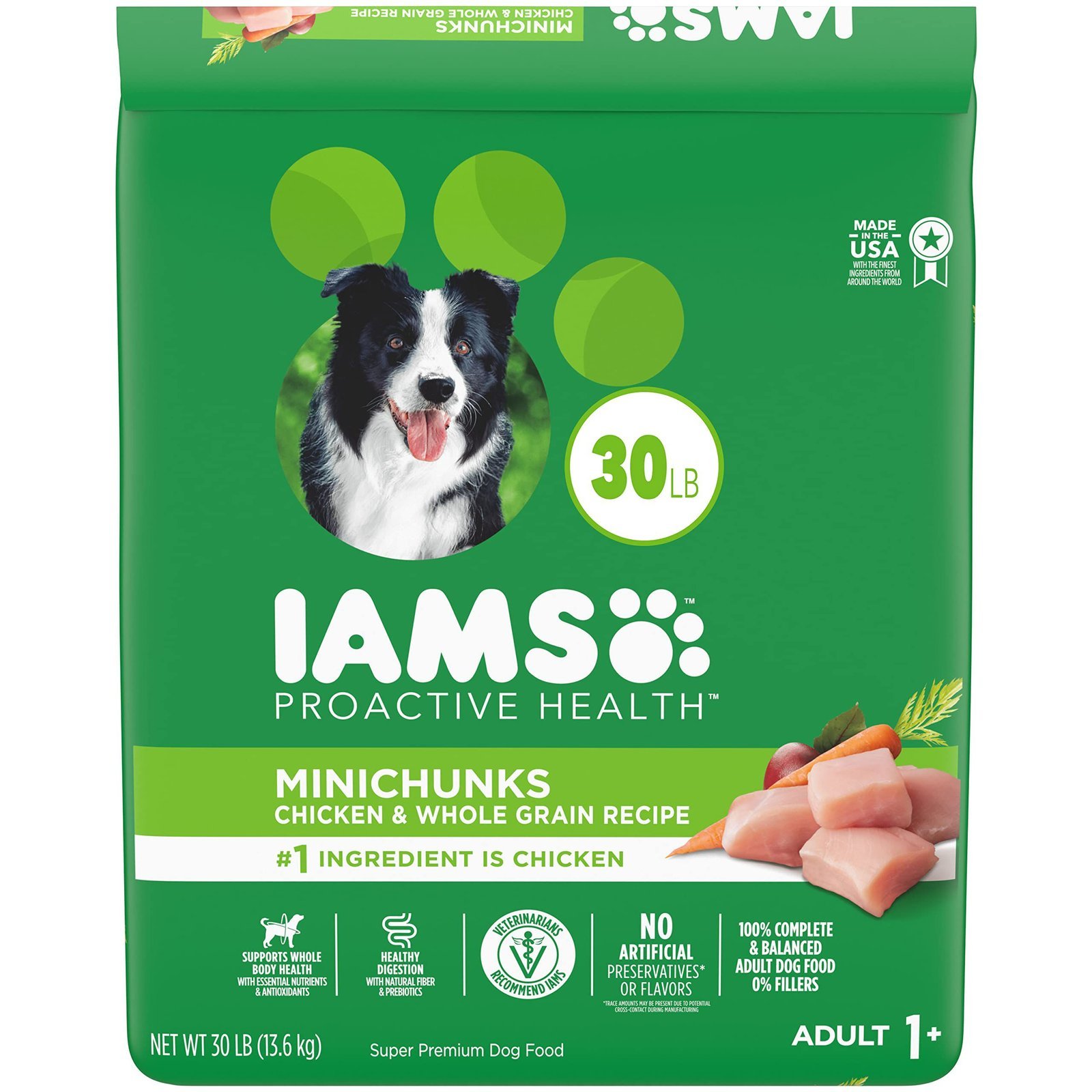
Yes, you can mix them to improve palatability or hydration, provided you calculate the total daily calories to avoid overfeeding. Ensure both foods are formulated for the same life stage to keep the nutritional balance correct for your specific dog’s needs.
How do I know if my dog has an allergy?
Most food allergies show as chronic skin itching, ear infections, or recurring stomach upset rather than sudden reactions. If you suspect an allergy, your veterinarian must conduct an elimination trial using a hydrolyzed protein diet to identify the exact trigger.
Is grain-free food healthier for dogs?
No, grain-free food isn’t inherently healthier and has been investigated for potential links to heart issues in certain breeds. Unless your veterinarian confirms a specific grain allergy, a diet containing high-quality grains is often a safe and nutritious choice for most dogs.
How often should I change my dog’s food?
You shouldn’t change your dog’s food frequently, as a consistent diet is best for digestive health. Only switch formulas if your dog develops a new health condition or if the current food is no longer meeting their life-stage requirements.
Are expensive brands always better?
No, the price of a dog food doesn’t always correlate with its nutritional quality. Many affordable, well-researched brands are just as effective as premium-priced options, provided they prioritize standardized testing and quality control.
What happens if I feed a puppy adult food?
Feeding a puppy adult food can lead to improper growth and bone development because it lacks the higher calcium and phosphorus levels puppies need. Always use a formula specifically labeled for growth or “all life stages” until your dog reaches its adult size.
Conclusion
Providing a balanced, stable diet is the most reliable way to support your dog’s long-term health. By focusing on nutritional certification and your veterinarian’s professional advice, you avoid the risks of fad diets and ensure your pet gets the precise nutrients required for its life stage.