

There’s no single food that’s the most healthiest dog food in the world because every dog has different needs based on age, breed, and health. The best choice is a diet that meets the nutritional standards set by the AAFCO Dog Food Nutrient Profiles for your pet’s life stage.
Choosing the right food isn’t about finding one “perfect” brand, but about matching the nutrients to your dog’s specific activity level. If your dog is a high-energy working breed, they need more protein and calories than a senior dog that spends most of the day sleeping. The most common mistake people make is choosing food based on marketing buzzwords like “holistic” or “ancestral” rather than checking the actual ingredient label for balanced nutrition.
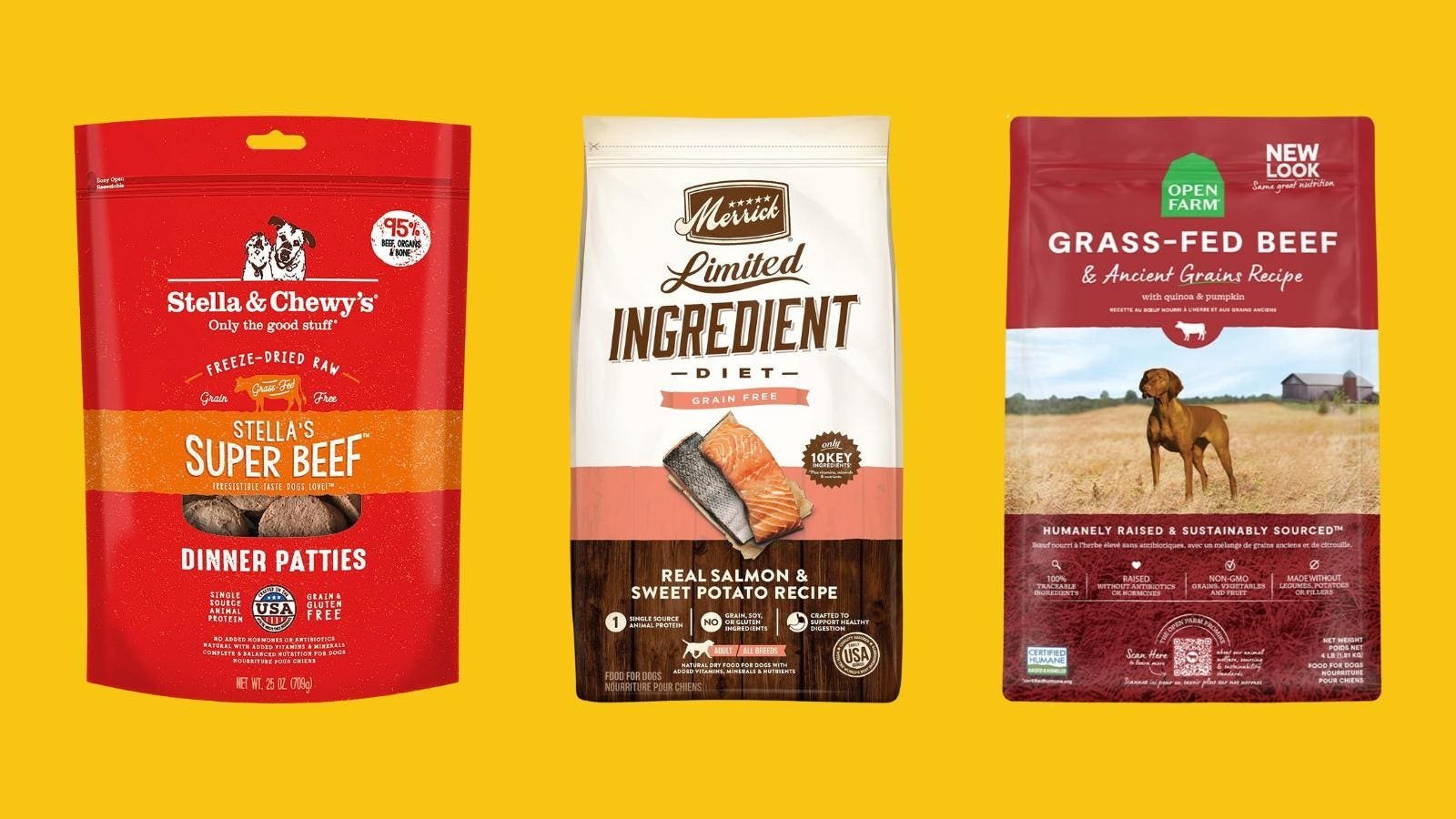
Finding the healthiest food in the world
- Check the label for a statement confirming the food is “complete and balanced” for your dog’s age, whether it’s for growth, maintenance, or all life stages.
- Look for a specific animal protein source—such as chicken, beef, or fish—as the first ingredient on the list.
- Ensure the manufacturer has a veterinary nutritionist on staff to oversee their formulations and quality control processes.
- If you have a puppy, choose a formula specifically designed for growth to ensure they get the correct calcium-to-phosphorus ratio.
- Consult your veterinarian before starting any “grain-free” or specialized diet, as these may not be suitable for every dog’s heart health.
Tip: If you switch brands, do it slowly over 7 to 10 days by mixing the new food with the old one to prevent digestive upset.
Tip: Store dry food in its original bag inside a sealed container to keep it fresh and prevent fat oxidation.
Factors affecting meal preparation time
The time it takes to feed your dog depends on the type of diet you choose, as raw or fresh-cooked diets require much more preparation than standard dry kibble.
| Situation | How long | What changes it | What to watch for |
|---|---|---|---|
| Dry kibble | 1 minute | Amount of food | Correct portion size |
| Wet canned food | 2 minutes | Warming requirements | Food temperature |
| Fresh-cooked | 15+ minutes | Batch size cooked | Proper storage safety |
| Raw feeding | 5-10 minutes | Thawing time | Bacterial contamination |
If your dog is taking more than 15 minutes to eat a bowl of food, it may indicate a dental issue or a lack of appetite that requires a vet visit.
Signs of a healthy diet
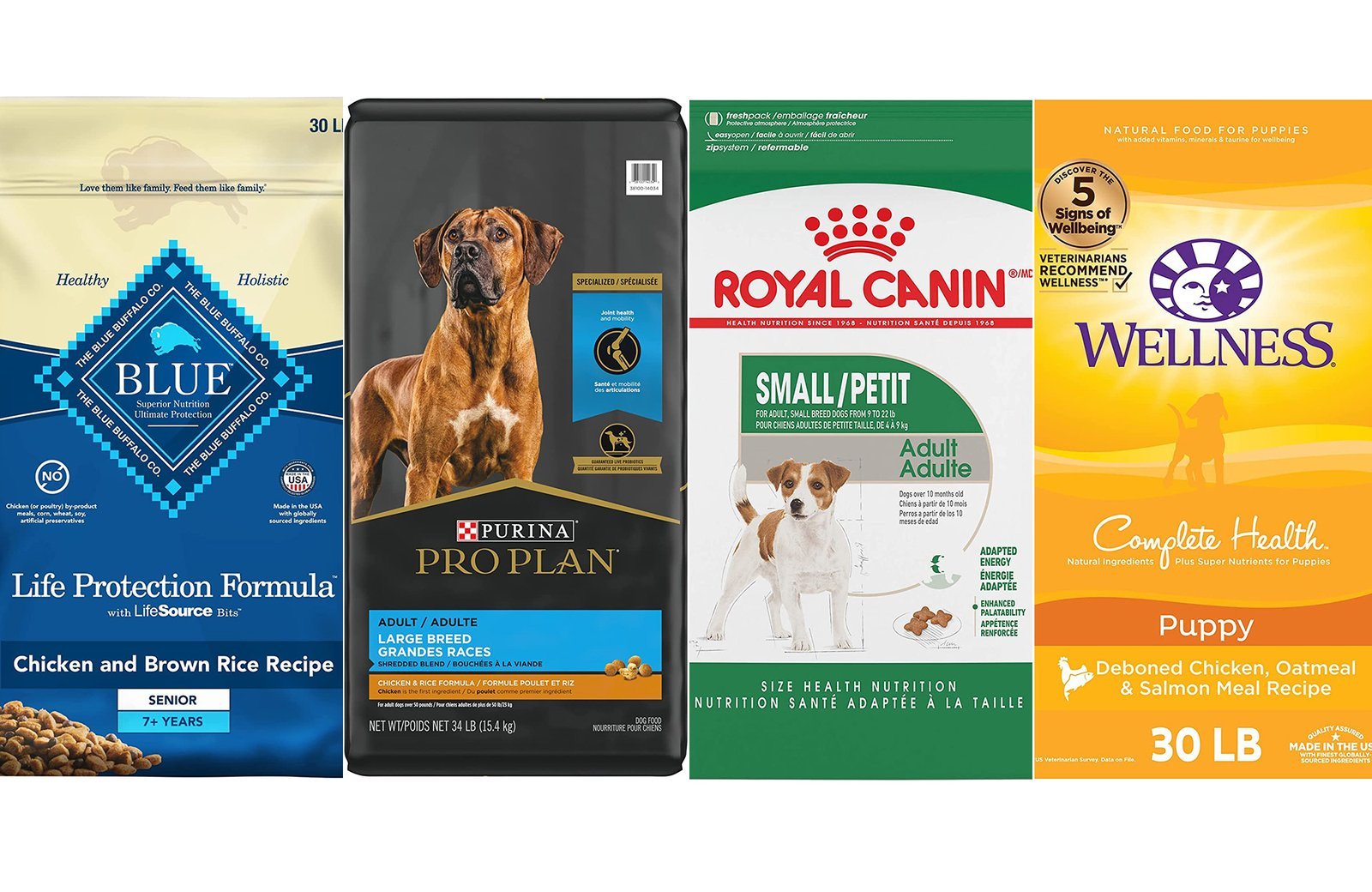
You can tell if a food is working well by observing your dog’s physical condition over four to six weeks. A healthy dog has a shiny coat, clear eyes, and firm, consistent stools. They should maintain a steady weight, meaning you can feel their ribs easily but not see them protruding. If their energy levels drop or they develop skin irritation, the current diet may not be providing the right balance of fats and vitamins. When in doubt, a body condition score chart provided by your veterinarian is the best way to objectively measure if your dog is at the right weight.
Errors that compromise nutrition
- Overfeeding based on bag instructions: Most bags suggest a range, but your individual dog’s metabolism determines the true amount needed to avoid obesity. Always start at the lower end of the suggested range and adjust based on your dog’s weight.
- Adding excessive human food: Feeding high-fat table scraps can lead to pancreatitis or nutritional imbalances that ruin the quality of a complete diet. Keep human treats to less than 10% of your dog’s total daily calories.
- Trusting non-scientific reviews: Many websites rank dog food based on popularity rather than nutritional science or safety testing. Rely only on advice from your own veterinarian who knows your dog’s medical history.
Frequently asked questions
Can I feed my dog human food every day?
No, you shouldn’t feed your dog human food as a primary diet because it’s rarely nutritionally balanced for their needs. Most human foods lack the specific vitamins and minerals dogs require, and some, like onions or grapes, are toxic to them.
How much should I feed my dog?
You should feed your dog the exact amount specified by the calorie count on the package, adjusted for their current weight and daily activity. A dog that walks two miles a day needs significantly more fuel than one that stays indoors, so check their body condition weekly.
Is grain-free food better for dogs?
No, grain-free food isn’t inherently better and is only necessary for dogs with a diagnosed grain allergy. Unless your veterinarian confirms an allergy, grains provide essential fiber and energy that support a healthy digestive tract and overall heart function in most dogs.
How long does it take for a dog to adjust to a new food?
It usually takes about two weeks for a dog’s digestive system to fully adjust to a new food brand. During this transition, you might see minor changes in stool consistency, but any signs of vomiting or diarrhea mean you should stop the switch and call a vet.
What happens if I change my dog’s food too fast?
If you change food too fast, your dog will likely experience “dietary upset,” which includes vomiting, diarrhea, and gas. This happens because the digestive system requires time to adjust to different nutrient concentrations and ingredients, so a gradual 10-day transition is the safest method to follow.
How do I know if my dog has a food allergy?
You know your dog has a food allergy if they show chronic skin itching, ear infections, or digestive issues that don’t go away. These symptoms often require a strict “elimination diet” supervised by a veterinarian to identify the specific protein causing the allergic reaction.
Conclusion
Feeding your dog is a daily responsibility that directly impacts their longevity and happiness. By prioritizing diets backed by nutritional science and monitoring your dog’s physical condition, you ensure they get exactly what they need to thrive at every stage of their life.