

Providing your dog with a balanced, nutrient-dense diet is the single most important factor in ensuring their long-term health, vitality, and longevity. Dogs are omnivores that require a precise blend of proteins, fats, carbohydrates, vitamins, and minerals to thrive throughout their various life stages. Whether you choose commercial kibble, wet food, or home-cooked meals, focusing on high-quality ingredients is essential for preventing common health issues like obesity, skin allergies, and digestive distress.
Key Takeaways
- Always prioritize animal-based proteins as the primary ingredient in your dog’s daily meals.
- Consult your veterinarian before making drastic changes to your dog’s current dietary regimen.
- Avoid feeding human foods containing xylitol, onions, garlic, grapes, or chocolate at all times.
- Maintain a consistent feeding schedule to support healthy digestion and weight management goals.
- Monitor your dog’s body condition score to adjust portion sizes based on their activity.
What Should We Feed Our Dogs?
Feeding your dog correctly means looking beyond marketing labels and understanding the nutritional profile of the food. Dogs require a balance of essential amino acids, fatty acids, and micronutrients. The most reliable way to ensure safety is to follow guidelines established by the Association of American Feed Control Officials regarding complete and balanced nutrition. Ensure the packaging states that the food meets these specific nutritional standards for your dog’s life stage.
Essential Dietary Components
A healthy canine diet is built upon several foundational pillars that support muscle maintenance, energy levels, and immune function.
- Animal Proteins: Chicken, beef, turkey, or fish should be listed as the first ingredient to provide necessary amino acids.
- Healthy Fats: Omega-3 and omega-6 fatty acids, often sourced from fish oil or flaxseed, support skin and coat health.
- Complex Carbohydrates: Brown rice, oats, or sweet potatoes offer sustained energy and essential dietary fiber.
- Micronutrients: Chelated minerals and vitamins ensure proper metabolic function and bone development throughout their lives.
Comparing Common Feeding Methods
| Feeding Method | Pros | Cons |
|---|---|---|
| Dry Kibble | Convenient, affordable, supports dental health | Often highly processed, lower moisture |
| Wet Canned Food | High palatability, excellent hydration | Shorter shelf life, higher cost |
| Home-Cooked | Total control over ingredients | Time-intensive, requires expert formulation |
Why Is Consistency So Important?
Dogs thrive on routine. A stable feeding schedule regulates their digestive system and helps maintain a healthy metabolism. Sudden changes in diet often lead to gastrointestinal upset, including diarrhea, vomiting, or excessive gas. When transitioning to a new brand, do so gradually over seven to ten days by mixing increasing amounts of the new food with the old.
Pro Tip: Always weigh your dog’s food using a kitchen scale rather than relying on a measuring cup, as cups can vary significantly in volume and lead to accidental overfeeding.
Managing Daily Portion Sizes
The amount of food a dog requires depends on their weight, age, activity level, and metabolic rate. Use the feeding chart on the bag as a starting point, then adjust based on your dog’s body condition.
| Dog Weight | Low Activity (Cups) | High Activity (Cups) |
|---|---|---|
| 10–20 lbs | 0.5 – 1.0 | 1.0 – 1.5 |
| 21–50 lbs | 1.5 – 2.5 | 2.5 – 3.5 |
| 51–90 lbs | 3.0 – 4.5 | 4.5 – 6.0 |
Identifying Dangerous Human Foods
Not everything in your pantry is safe for canine consumption. Some common items can cause severe toxicity or organ failure.
- Xylitol: Found in sugar-free gum and some nut butters, this causes a dangerous drop in blood sugar.
- Allium Species: Onions, garlic, chives, and leeks damage red blood cells and can cause anemia.
- Grapes and Raisins: These are known to cause sudden kidney failure in many dogs, even in small amounts.
- Chocolate: Contains theobromine, which affects the heart and nervous system.
Warning: Never feed your dog cooked bones, as they become brittle and can splinter, causing life-threatening punctures to the digestive tract.
Selecting High-Quality Commercial Brands
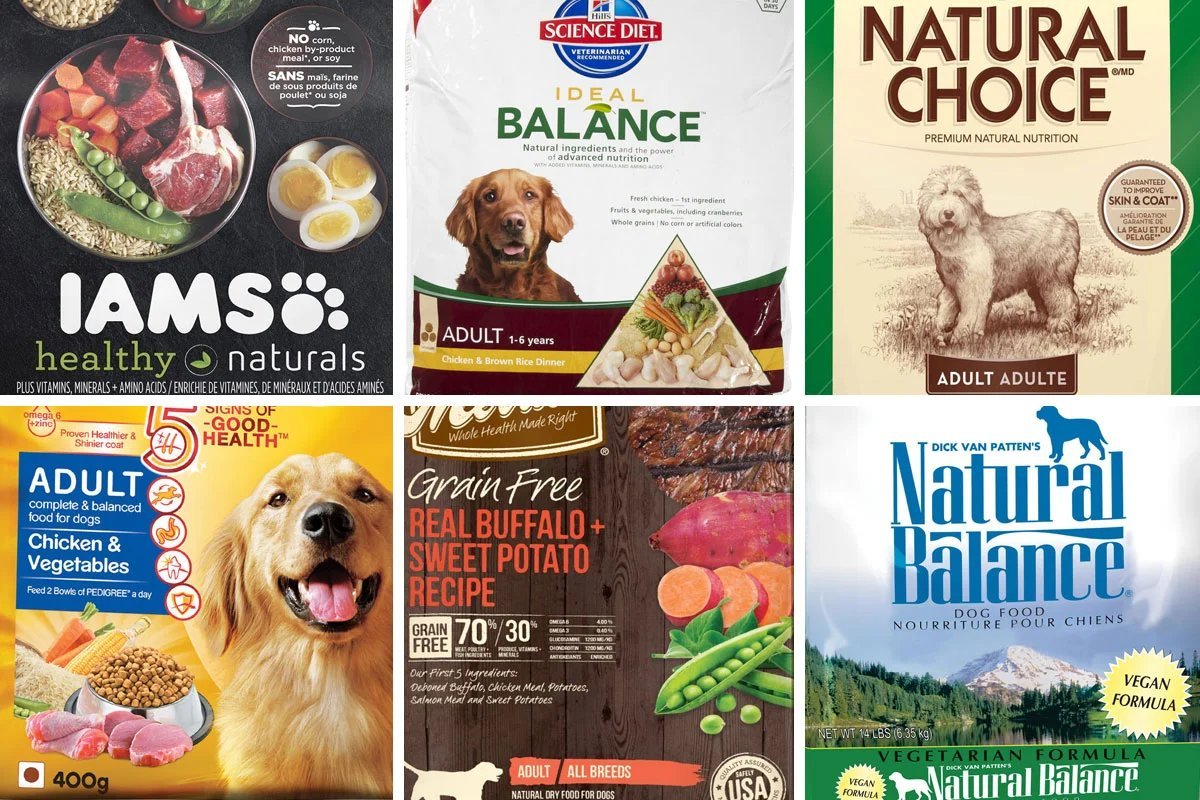
When shopping for food, look for companies that employ veterinary nutritionists and conduct rigorous feeding trials. Reliable brands include:
- Purina Pro Plan: Known for extensive research and specific life-stage formulas.
- Royal Canin: Offers breed-specific and health-specific dietary solutions.
- Hill’s Science Diet: Focuses on clinically proven nutrition for various health conditions.
- Orijen: Emphasizes high-protein, biologically appropriate ingredient ratios.
Related guides
- What Is the Healthiest Food to Feed My Dog: Expert Advice
- What Should I Feed My Dog: A Guide to Balanced Nutrition
- What Is Best to Feed My Dog: A Guide to Balanced Nutrition
Frequently Asked Questions
Can I feed my dog raw meat?
Feeding raw meat carries significant risks of bacterial contamination, such as Salmonella and Listeria, which can affect both your dog and your household members. If you choose this route, you must ensure strict hygiene protocols and consult a nutritionist to prevent dangerous nutrient deficiencies. Most veterinarians recommend cooked options for the safety of the entire family.
How do I know if the food is high quality?
Look for a specific animal protein as the first ingredient, rather than a generic “meat meal.” High-quality foods avoid artificial preservatives like BHA or BHT and have a clear statement on the bag confirming they meet nutritional standards for your dog’s life stage. Check the manufacturer’s website to see if they conduct feeding trials to verify their nutrient claims.
Is grain-free food better for dogs?
Grain-free diets aren’t inherently better for the average dog. Unless your veterinarian has diagnosed a specific grain allergy, grains provide valuable energy and nutrients. Some research has investigated potential links between grain-free diets and heart issues in certain breeds, so it’s safer to stick with reputable formulas that include whole grains unless directed otherwise by a medical professional.
Should I add supplements to their food?
Most high-quality, commercially prepared dog foods are already nutritionally complete. Adding extra supplements without a veterinary recommendation can lead to dangerous nutrient imbalances, particularly with calcium or fat-soluble vitamins. Only add supplements if your dog has a specific health condition that requires them, such as joint support or skin issues, and always confirm the dosage with your vet.
How often should I feed my dog?
Most adult dogs do best with two meals per day, one in the morning and one in the evening. This helps regulate their blood sugar levels and prevents excessive hunger. Puppies require more frequent feedings, typically three to four times daily, to support their rapid growth. Always provide fresh, clean water alongside every meal to support healthy digestion.
Developing a consistent, high-quality feeding plan is the most effective way to protect your dog’s long-term health. Start by assessing your dog’s current body condition and activity level, then select a reputable, nutritionally balanced food that matches their specific life stage. Schedule a visit with your veterinarian this month to finalize a personalized feeding plan tailored to your dog’s unique needs.