
There’s no single universal name for dog food, as the product is officially classified by the Association of American Feed Control Officials as a commercial pet food product. You’ll see it labeled as dry kibble, wet canned food, or raw-based diets depending on the preparation method and moisture content.
The main factor that dictates how you identify a quality product is the “complete and balanced” statement on the label. This ensures the food meets specific nutritional standards for the life stage of your pet. The most common mistake people make is ignoring the ingredient list order, which is always arranged by weight, meaning the first item is the most abundant ingredient in the bag.
How to name the best dog food
- Check the label for a statement confirming the food meets the nutrient profiles established by AAFCO for your dog’s specific age or size.
- Verify the protein source by looking at the first three ingredients to ensure a named meat, such as “chicken” or “beef,” is listed before any grains or fillers.
- Match the formula to your dog’s life stage, as puppies require higher caloric density than senior dogs.
- Transition your dog to the new food over a period of 7 to 10 days to avoid digestive upset.
- Measure the serving size using a standard cup or scale based on the manufacturer’s instructions, rather than filling the bowl by sight.
Tip: If your dog has a sensitive stomach, mix 25% of the new food with 75% of the old food for the first three days before slowly increasing the ratio.
Tip: Always keep fresh, clean water available near the food bowl, especially when feeding dry kibble, as it lacks the moisture found in canned varieties.
Time factors for feeding schedules
| Situation | Feeding Frequency | What changes it | What to watch for |
|---|---|---|---|
| Puppy (under 6 months) | 3–4 times daily | Rapid growth needs | Weight gain |
| Adult dog | 1–2 times daily | Activity level | Body condition |
| Senior dog | 1–2 times daily | Metabolism slows | Joint health |
| Working dog | 2–3 times daily | High energy output | Lean muscle mass |
If your dog leaves food in the bowl for more than 20 minutes, remove it until the next scheduled mealtime to prevent picky eating habits.
Identifying food quality and freshness
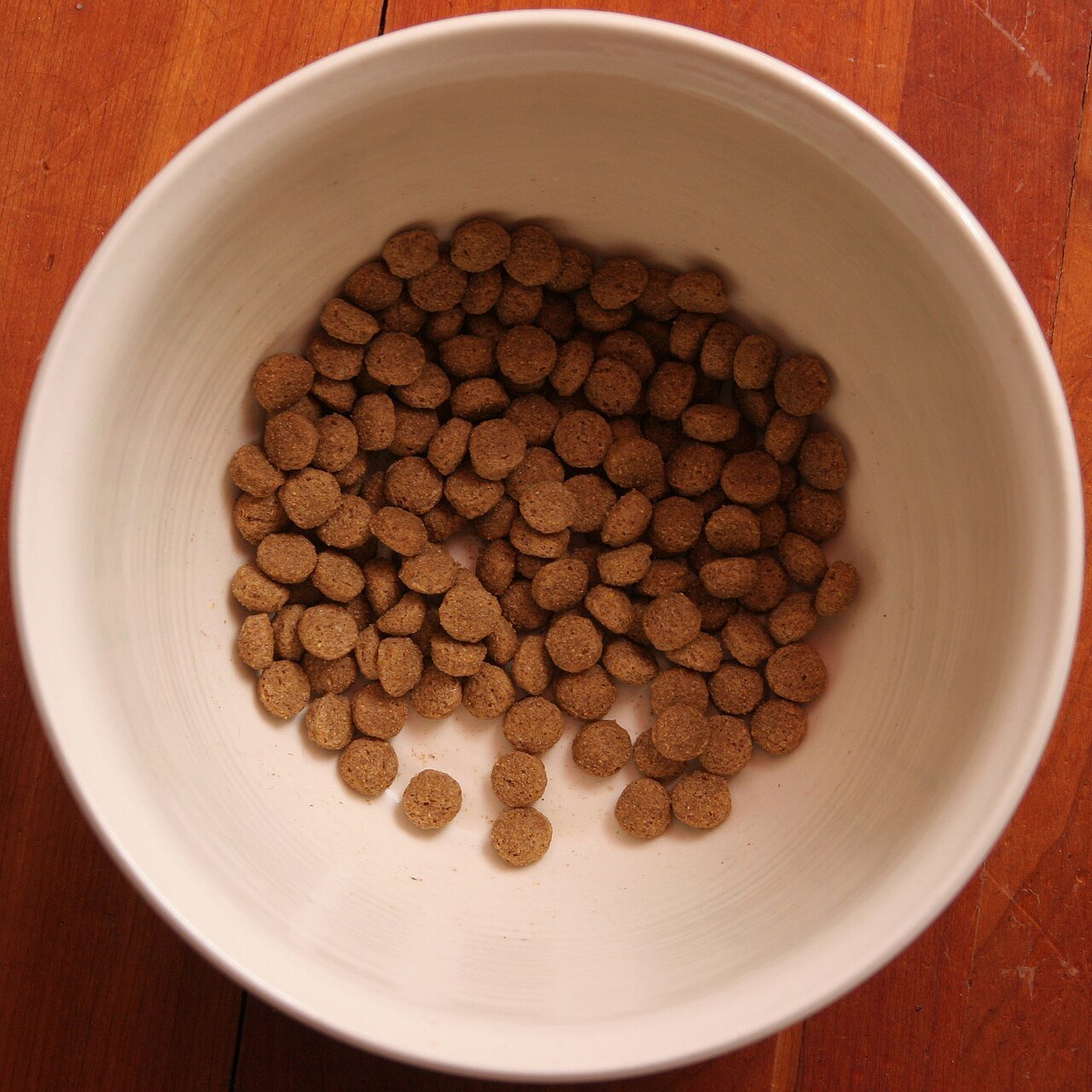
You can tell if the food is appropriate by checking the physical state of the kibble or wet food. High-quality dry food should smell meaty or savory, not rancid or overly dusty. If the food has a strong, chemical, or “off” smell, it may have oxidized or spoiled. When opening a new bag, check the expiration date stamped on the seam to ensure it’s within the shelf-life window. The best test for your specific dog is their energy level and coat condition; if their stool is firm and their energy is consistent, the food is working well. If you notice persistent diarrhea or dull fur, consult your veterinarian to rule out underlying health issues or allergies.
Common mistakes in feeding
- Overfeeding based on appetite: Owners often mistake a dog’s begging for hunger, which leads to obesity and extra pressure on joints. Use a measuring cup to follow the exact daily gram or cup recommendation provided on the product packaging.
- Adding human leftovers: Giving table scraps adds hidden calories and can cause pancreatitis if the food is high in fat. Stick to dog-specific treats that account for no more than 10% of their total daily caloric intake.
- Ignoring storage conditions: Leaving the bag open in a humid garage allows moisture and pests to enter, which ruins the nutritional value and safety of the food. Always store the food in a cool, dry place inside a sealed, airtight container to maintain freshness.
Frequently asked questions
How much should I feed my dog daily?
The exact amount depends on your dog’s weight, age, and activity level as listed on the back of the food package. Start with the manufacturer’s suggested range for your dog’s current weight, then adjust the portion if your dog begins to gain or lose weight during the month.
Is expensive dog food always better?
No, the price doesn’t always reflect the quality, but you should look for brands that conduct feeding trials rather than just using laboratory analysis. A higher price often covers better quality control and more transparent sourcing of ingredients, which reduces the risk of contamination or recalls.
Can I feed my dog only wet food?
Yes, you can feed a dog only wet food, but it’s often more expensive and requires more frequent dental care since kibble helps scrape plaque off teeth. If you choose wet food, ensure it’s labeled as “complete and balanced” for your dog’s life stage.
Why does my dog refuse to eat?
If your dog suddenly stops eating, it could be a sign of illness, dental pain, or simply that they don’t like the texture of the new food. If the refusal lasts longer than 24 hours, you should contact a veterinarian to rule out a medical emergency.
Is grain-free food better for dogs?
No, there’s no scientific evidence that grain-free food is healthier for the average dog unless they have been diagnosed with a specific grain allergy by a vet. Many dogs digest grains like rice or oats very well and get valuable energy from them.
How do I know if the food is spoiled?
You can tell by the smell, as spoiled food often has a sharp, sour, or metallic odor that differs from the normal scent of the product. If the food appears moldy, shows signs of moisture, or contains small webs, throw it away immediately and sanitize the storage container.
Conclusion
Feeding your dog correctly is the foundation of their long-term health. By following the manufacturer’s feeding guidelines based on your specific dog’s weight and monitoring their body condition, you ensure they get the right nutrients every day. If you ever have doubts about your dog’s diet or weight, your veterinarian is the best source for a personalized feeding plan.
Related guides