

Your dog should eat a balanced diet consisting of high-quality proteins, healthy fats, complex carbohydrates, and essential vitamins and minerals tailored to their life stage, weight, and activity level. On average, owners spend between $25 and $125 per month on commercial dog food, depending on the brand, quality, and size of the animal. Providing a consistent, nutritionally complete diet is the single most important factor in maintaining your dog’s long-term health and vitality.
Key Takeaways
- Prioritize foods that meet the AAFCO nutrient profiles for your dog’s specific life stage.
- Measure portions carefully using a standard kitchen scale to prevent obesity, which is a leading cause of preventable illness.
- Transition to new food gradually over seven to ten days to avoid digestive upset and vomiting.
- Always provide constant access to fresh, clean water in a non-toxic bowl.
- Consult your veterinarian before starting any dietary supplements or switching to a homemade diet plan.
What Should My Dog Eat Everyday?
A dog’s daily intake must be formulated to provide energy and support physiological functions. While dogs are omnivores, their primary requirement is high-quality protein, which provides the amino acids necessary for muscle maintenance. Healthy fats offer concentrated energy, while carbohydrates and fibers aid in digestion and sustained glucose levels.
Protein and Fat Sources
High-quality dog foods list a named meat source, such as chicken, beef, or salmon, as the first ingredient. Avoid products that rely heavily on “meat meal” or generic “animal fat” without identifying the species, as these can be inconsistent in quality.
| Nutrient Type | Primary Function | Common Healthy Sources |
|---|---|---|
| Protein | Muscle Repair | Chicken, Beef, Turkey, Fish |
| Fat | Energy and Skin | Salmon Oil, Flaxseed, Chicken Fat |
| Fiber | Digestion | Sweet Potato, Oats, Brown Rice |
How Much Food Is Enough?
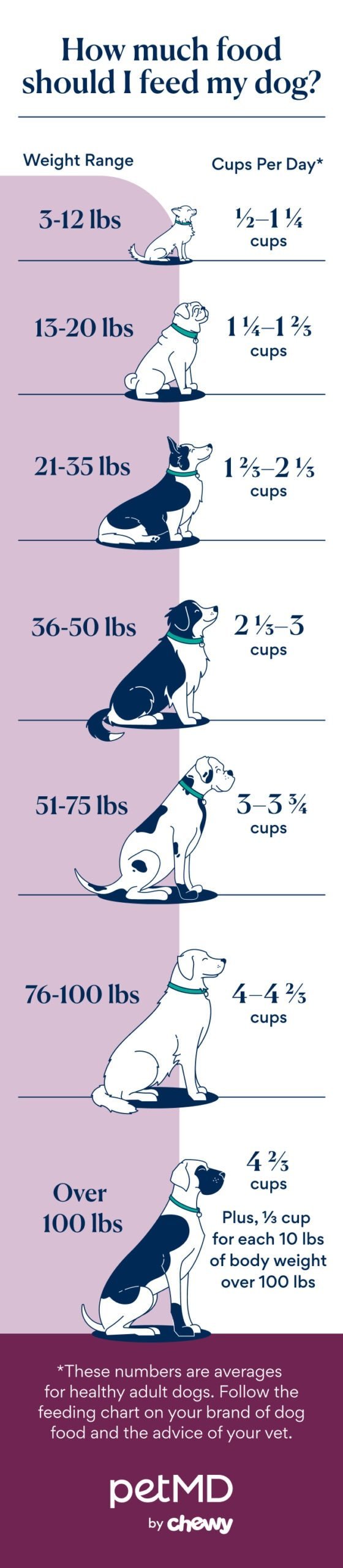
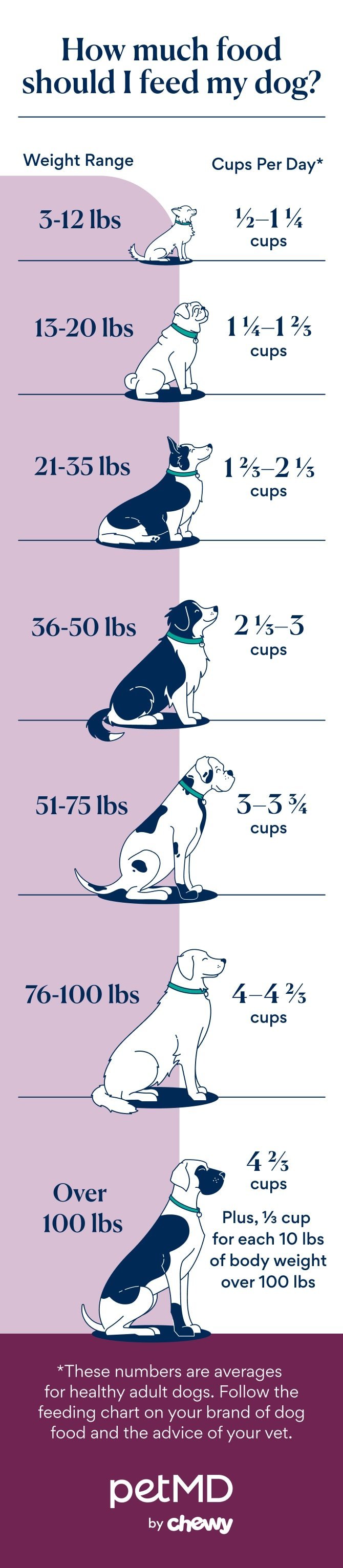
The amount of food your dog needs depends on their caloric requirement, which is determined by their resting energy needs plus activity levels. Puppies, active working breeds, and seniors have vastly different metabolic demands.
Warning: Obesity is a common health crisis in domestic dogs; always use a measuring cup or scale rather than “eyeballing” the amount to ensure you aren’t overfeeding.
Selecting Commercial Food Types
Choosing between dry, wet, or raw food depends on your budget, your dog’s preferences, and your lifestyle. Dry kibble is generally more affordable and helps maintain dental hygiene through mechanical abrasion, while wet food can be more palatable for picky eaters.
Comparing Food Options
| Food Type | Convenience | Typical Cost Range | Best For |
|---|---|---|---|
| Dry Kibble | High | $25 – $75/month | Daily feeding, dental health |
| Wet Canned | Medium | $60 – $125/month | Palatability, hydration |
| Fresh/Raw | Low | $100 – $300+/month | High-performance, allergies |
Which Human Foods Are Safe?
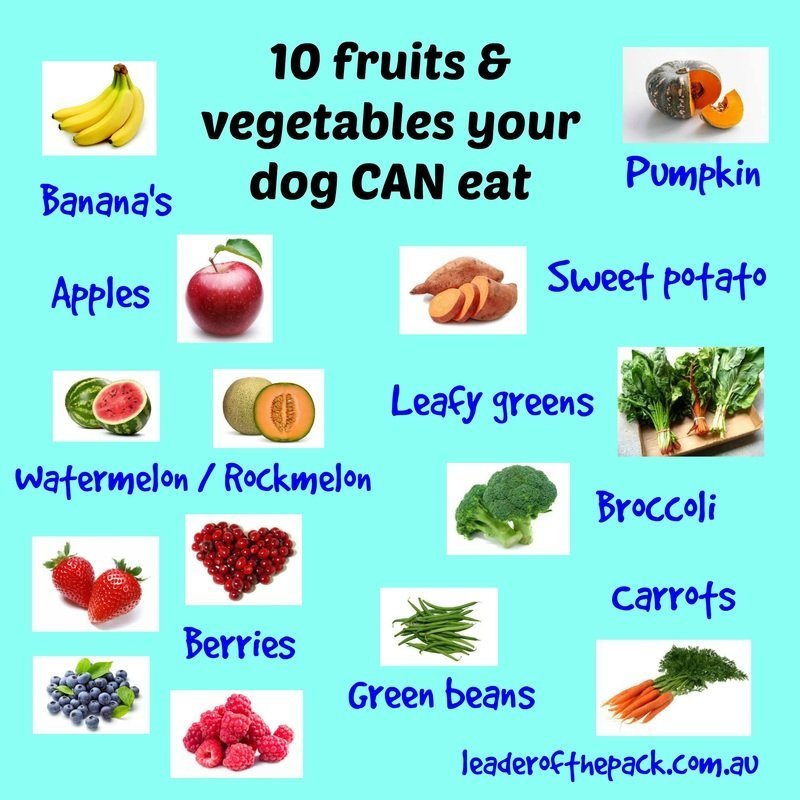
Many owners wonder if they can supplement kibble with “people food.” While some items are healthy, others are toxic. Always stick to plain, cooked, or raw vegetables and lean proteins without added salts, sugars, or spices.
- Safe: Carrots, green beans, blueberries, plain cooked chicken, and pumpkin.
- Toxic: Grapes, raisins, onions, garlic, chocolate, and xylitol (an artificial sweetener).
Establishing a Feeding Schedule
Consistency is key for a dog’s digestive system. Adult dogs generally thrive on two meals per day—one in the morning and one in the evening. Puppies require three to four smaller meals to maintain steady blood sugar levels as they grow.
Pro Tip: If your dog tends to gulp their food, consider using a puzzle feeder or a slow-feed bowl to prevent bloating and improve digestion.
Managing Dietary Sensitivities
If your dog experiences chronic itching, recurrent ear infections, or loose stools, they may have a food sensitivity. Common allergens include beef, dairy, wheat, and soy. Before assuming an allergy, work with your vet to rule out environmental factors like pollen or fleas.
Steps to Identify Sensitivities
- Consultation: Speak with your vet to rule out underlying illnesses.
- Elimination: Switch to a limited-ingredient diet with a novel protein source.
- Observation: Keep a strict food diary for six to eight weeks.
- Reintroduction: Slowly add back one food item at a time to monitor reactions.
Tracking Nutritional Quality
Not all brands are created equal. Look for companies that conduct feeding trials rather than just laboratory analysis. Reputable brands like Purina Pro Plan, Royal Canin, or Hill’s Science Diet invest heavily in research and quality control, making them safe, reliable choices for most households.
Frequently Asked Questions
Can dogs eat raw eggs?
While some owners feed raw eggs, there’s a risk of salmonella contamination for both the dog and the human household. If you choose to feed eggs, ensure they’re thoroughly cooked to eliminate bacterial risks. Raw egg whites also contain avidin, which may interfere with biotin absorption over time, so moderation is essential if you decide to include them in the diet.
Is grain-free food better?
There’s no scientific evidence that grain-free diets are superior for the average dog. Unless your veterinarian has diagnosed a specific grain allergy, whole grains like brown rice, barley, and oats provide excellent sources of fiber and energy. In fact, some grain-free diets have been investigated for potential links to heart issues in specific breeds, so consult your vet before making a switch.
How often should I change food?
You shouldn’t change your dog’s food frequently. If your dog is healthy, maintains a good weight, and has a shiny coat, there’s no need to rotate brands. Frequent changes can cause unnecessary digestive upset. If you must change their diet, always do so by mixing a small amount of the new food into the old, increasing the ratio over ten days.
Can I feed my dog leftovers?
Feeding your dog table scraps is generally discouraged. Most human meals contain high levels of salt, fats, onions, or garlic, which are harmful to dogs. Even plain leftovers can disrupt the nutrient balance of their primary diet. It’s better to provide healthy, dog-specific treats or small pieces of plain vegetables rather than sharing food from your own dinner plate.
How do I know if they’re overweight?
You can assess your dog’s weight by feeling their ribs. You should be able to feel the ribs easily without pressing hard through a thick layer of fat. When looking from above, your dog should have a visible waistline behind their ribs. If you can’t feel the ribs or notice a rounded midsection, discuss a weight management plan with your veterinarian immediately.
Proper nutrition is the foundation of your dog’s longevity and happiness. By selecting a high-quality, life-stage-appropriate diet and maintaining consistent feeding habits, you support their overall health and well-being. Always monitor your pet for changes in weight or energy levels and consult your veterinarian if you have specific concerns about their nutritional needs.