
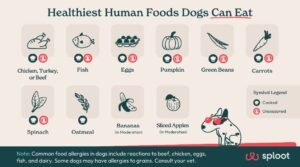
The most balanced approach to determining the healthiest food for your dog is a commercially prepared, life-stage appropriate diet that meets the nutritional standards set by the Association of American Feed Control Officials.
The primary factor determining success is consistency in caloric intake rather than chasing expensive, trendy ingredients. Most owners make the mistake of overfeeding by guessing portions instead of measuring, which leads to weight gain and joint stress.
Best food to give your dog
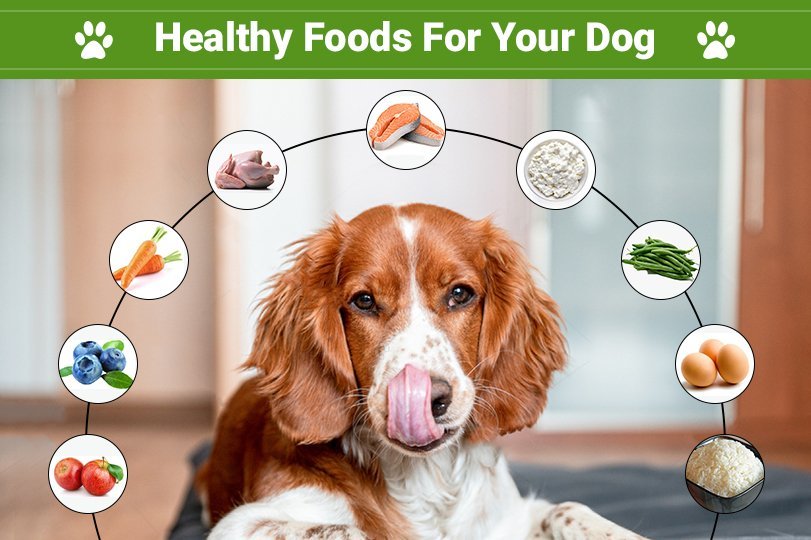
- Select a high-quality food labeled for your dog’s specific life stage, such as “puppy,” “adult,” or “senior,” to ensure the calcium-to-phosphorus ratio matches their growth or maintenance needs.
- Calculate the daily caloric requirement based on your dog’s activity level and ideal weight, then divide this total into two equal meals to maintain stable energy levels.
- Use a standard kitchen measuring cup or a digital scale to portion out the exact amount; don’t estimate by eye, as even a small surplus adds up quickly over a month.
- Keep a clean bowl of fresh water available at all times, as proper hydration is essential for digestion and kidney function.
- Store the food in its original bag inside a sealed, airtight container in a cool, dry place to prevent fat oxidation and moisture buildup.
Tip: If your dog is a fast eater, try a slow-feeder bowl to prevent bloating, which can lead to serious gastrointestinal discomfort.
Tip: Always consult your veterinarian before adding supplements or switching to a homemade diet, as these often lack the nutritional guidelines for dogs necessary to prevent dangerous imbalances.
Time Considerations for Feeding
The time investment for feeding is minimal, but consistency is a daily commitment. The following table helps you manage the routine based on common dog sizes and life stages.
| Situation | Feeding Frequency | What changes it | What to watch for |
|---|---|---|---|
| Puppy (under 6 months) | 3-4 times daily | Rapid growth needs | Constant hunger levels |
| Adult (active) | 2 times daily | Daily exercise volume | Body condition score |
| Adult (sedentary) | 1-2 times daily | Lower metabolic rate | Unwanted weight gain |
| Senior | 2 times daily | Dental or organ health | Appetite fluctuations |
When a dog consistently leaves food in the bowl, it may indicate overfeeding or a health issue; reduce the portion by 10% for two days to see if interest returns.
Signs of a Healthy Diet
Photo: www.whole-dog-journal.com on Google
A healthy dog will show clear signs of nutritional balance through their physical condition and energy. Look for a shiny, soft coat without excessive dandruff, which suggests adequate fatty acids. Their energy should be stable throughout the day, avoiding extreme peaks or crashes after meals.
Stool quality is also a key indicator; it should be firm, consistent, and easy to pick up. If the dog is constantly gassy or experiences frequent loose stools, the current food may contain ingredients that are difficult for them to digest. The ultimate test is a steady weight that allows you to feel, but not see, their ribs when you run your hands along their sides.
Common Nutritional Errors
- Feeding human table scraps: Adding scraps creates an unbalanced diet and often provides too much fat, which can trigger painful cases of pancreatitis. Stick to dog-specific treats that comprise no more than 10% of their total daily caloric intake.
- Ignoring serving guidelines: Many owners follow the bag’s broad ranges without adjusting for their dog’s specific metabolism, causing rapid weight gain. Start at the lower end of the recommended range and adjust based on your dog’s body condition over two weeks.
- Frequent diet rotation: Switching brands too often can cause digestive upset and diarrhea, making it difficult to identify if a food is actually working for your dog. If you must change foods, transition slowly over 7 days by mixing increasing amounts of the new food into the old.
Frequently asked questions
Photo: flynnvets.com on Google
How much should I feed my dog?
You should feed your dog based on their ideal weight and activity level, usually following the daily calorie guide printed on the food packaging. If your dog is neutered or less active, start at the lower end of the recommended daily range to prevent excessive weight gain.
Is raw food healthier than kibble?
No, there’s no scientific consensus that raw food is healthier, and it carries a higher risk of bacterial contamination for both the dog and the household. Most veterinarians recommend high-quality, cooked commercial diets because they provide consistent, balanced nutrition without the risks associated with raw meat handling.
Why is my dog always hungry?
Your dog may be hungry because they aren’t receiving enough calories for their activity level, or they’re bored and seeking stimulation. If your dog is at a healthy weight but still seems starved, increase their daily exercise or offer puzzle toys to keep their mind occupied during meals.
How often should I change my dog’s food?
You should only change your dog’s food if they develop an allergy, reach a new life stage, or if your veterinarian recommends a specific medical diet. If you do switch, do it gradually over a week to avoid stomach upset and ensure the new food agrees with their system.
Can I feed my dog once a day?
Yes, you can feed a healthy adult dog once a day, but splitting the total daily portion into two meals is generally better for digestion. Feeding twice daily helps keep blood sugar levels more stable and reduces the risk of bloat, especially in deep-chested breeds that are prone to that condition.
What are the signs of a food allergy?
The most common signs of a food allergy are chronic skin itching, recurring ear infections, and persistent paw licking. If you notice these symptoms, it doesn’t mean your dog is allergic to the brand, but rather a specific protein or grain; consult your vet for an elimination trial.
Conclusion
Providing your dog with a consistent, measured diet is the single most effective way to support their long-term health and vitality. Focus on the quality of the food and the precision of the portions, and you’ll give them the best possible foundation for a long and active life.